
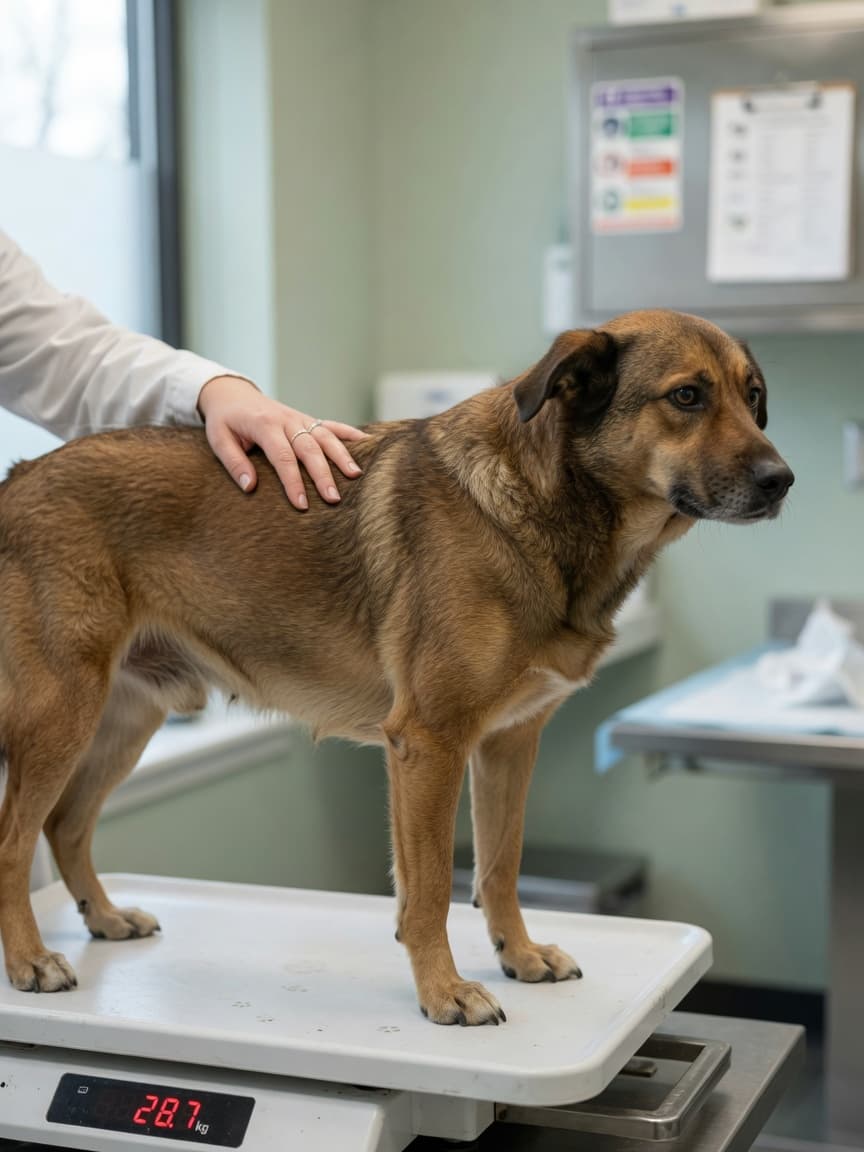
If you've noticed your beloved dog is looking a bit rounder than usual, you're certainly not alone. Obesity in dogs has reached epidemic proportions across Europe, with studies suggesting that over 40% of dogs are overweight or obese. Carrying extra weight doesn't just affect your dog's appearance—it significantly impacts their health, lifespan, and quality of life. The good news? With the right approach, helping your dog achieve a healthy weight is entirely achievable. Let's explore how to assess your dog's current condition and implement sustainable weight loss strategies.
How to Tell If Your Dog Is Overweight
Determining whether your dog is overweight goes beyond simply weighing them on a scale. Vets use several reliable methods to assess canine body condition:
- The Rib Test: Gently run your fingers along your dog's ribcage. You should be able to feel their ribs without pressing hard, and see a visible waist when viewed from above. If you can't feel the ribs easily, your dog likely carries excess weight.
- Body Condition Score (BCS): Veterinarians use a 9-point scale (1-9) where 4-5 is ideal. Most overweight dogs score 7-9 on this scale.
- Abdominal Tuck: Your dog should have a visible abdominal tuck—a slight inward curve from the ribcage to the hind legs when viewed from the side.
- Overall Shape: Overweight dogs often lose their natural waist definition and appear barrel-shaped.
If you're unsure, your veterinarian can provide an accurate assessment and determine your dog's ideal target weight.
Health Risks Associated With Canine Obesity
Extra weight places significant strain on your dog's body. Overweight dogs face increased risks of type 2 diabetes, osteoarthritis, heart disease, certain cancers, and reduced life expectancy—sometimes by up to two years. Obesity also worsens existing joint problems and can make movement painful, creating a frustrating cycle where discomfort reduces exercise, leading to further weight gain.
Assessing Your Dog's Current Diet
Weight gain typically stems from consuming more calories than your dog expends. Begin by honestly evaluating their current intake:
- Measure all food portions using a proper scale or measuring cup
- Account for treats, table scraps, and training rewards
- Check whether multiple family members are feeding your dog
- Review your dog food's calorie content—not all foods are equal
Most overweight dogs eat 25-30% more calories than they require. Simply reducing portions by this amount, under veterinary guidance, can initiate healthy weight loss.
Practical Weight Loss Strategies
Successful weight management requires a multi-faceted approach:
- Adjust Portion Sizes: Your vet can calculate your dog's daily caloric needs. Typically, dogs need 25-30 calories per kilogramme of body weight daily, depending on activity level and age.
- Choose Quality Nutrition: Select food specifically formulated for weight management. These products contain higher fibre content, promoting satiety whilst maintaining lower calories.
- Increase Exercise Gradually: Begin with 15-20 minute walks daily, gradually increasing to 30-45 minutes. Swimming and controlled play sessions are excellent low-impact options.
- Eliminate High-Calorie Treats: Replace biscuits and fatty treats with low-calorie alternatives like carrot sticks, green beans, or specific low-calorie dog treats.
- Use Food-Puzzle Toys: Extend mealtimes with puzzle feeders, which increase mental stimulation whilst slowing eating pace.
- Monitor Progress Regularly: Weigh your dog monthly and adjust portions accordingly. Aim for gradual weight loss of 0.5-1% of body weight weekly.
When to Seek Professional Help
Before starting any weight loss programme, consult your veterinarian. They'll rule out underlying medical conditions (thyroid issues, Cushing's disease) that may contribute to weight gain and create a personalised weight management plan tailored to your dog's specific needs.
Key Takeaways
Helping your dog achieve a healthy weight is one of the most valuable gifts you can give them. It requires consistency, patience, and family commitment, but the rewards—increased energy, improved mobility, and extended lifespan—are immeasurable. Start with a veterinary assessment, implement gradual dietary and exercise changes, and celebrate small victories along the way. Your dog's healthier, happier future begins today.
```