
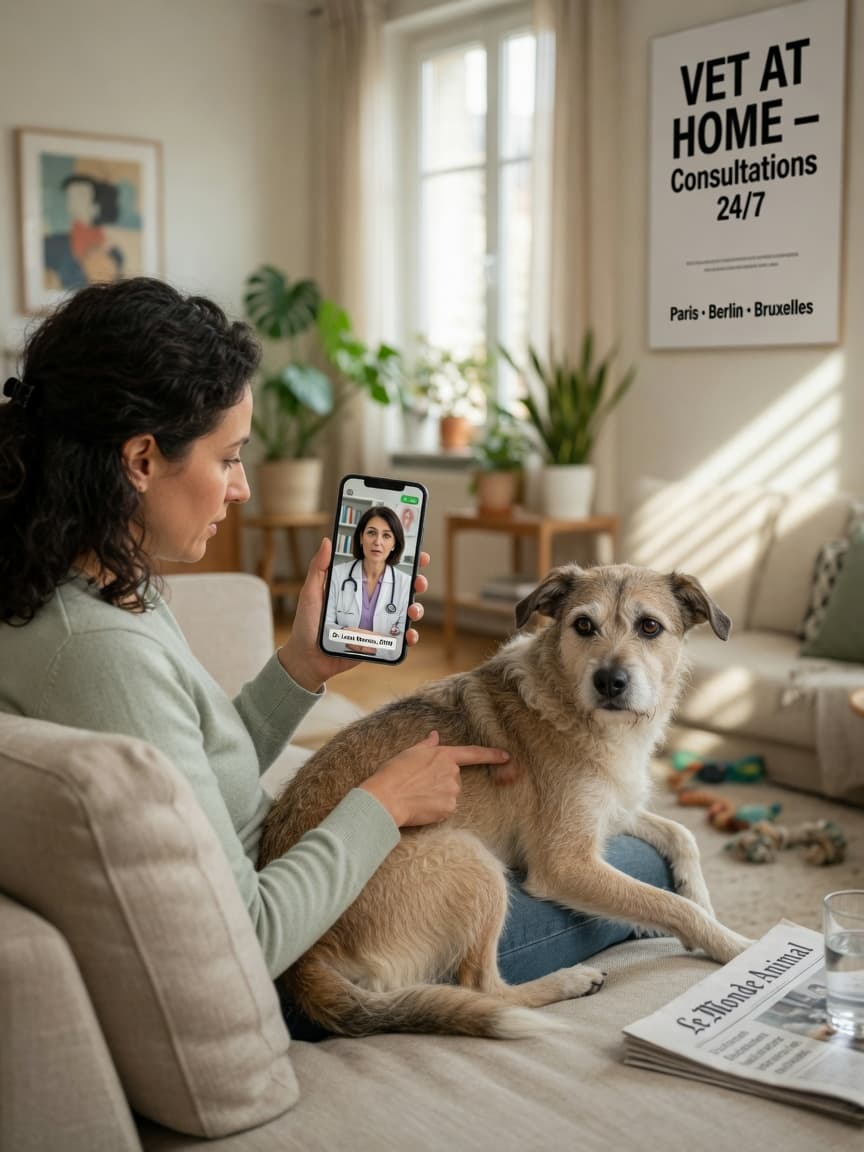
As a pet owner, you've likely experienced that moment of panic at 11 PM when your dog suddenly limps or your cat refuses to eat. Online veterinary services have emerged as a convenient solution, but the question remains: can you truly trust these platforms? After years of working with pet owners and reviewing digital healthcare options, I'm here to help you navigate this increasingly popular service with confidence and clarity.
Understanding Online Veterinary Services
Online vet consultations come in several forms, each with different capabilities and limitations. Video consultations connect you with qualified veterinarians in real-time, while text-based services allow asynchronous communication. Some platforms focus on behavioural advice, whilst others handle general health concerns. The key is understanding what each service actually offers and, crucially, what it cannot replace.
Legitimate online veterinary services employ registered, qualified veterinarians who are subject to the same professional standards and ethical codes as traditional vets. In the UK and EU, these practitioners should be registered with their national veterinary regulatory bodies.
Red Flags and Warning Signs
Not all online vet services are equal. Here's what should make you cautious:
- Vets who prescribe medications without asking detailed questions about your pet's history
- Services that guarantee diagnoses without physical examination
- Lack of clear credentials or registration information
- Unrealistic pricing that seems too good to be true
- No option for follow-up or escalation to in-person care
- Pressure to purchase supplements or treatments directly through the platform
What Online Vets Can and Cannot Do
Online vets are excellent for:
- Initial triage and assessment of symptoms
- Behavioural advice and training concerns
- Nutritional guidance and dietary questions
- Post-operative follow-up care
- Prescription refills for established conditions
- Urgent advice before visiting a physical clinic
Online vets cannot:
- Perform physical examinations or diagnostic tests
- Prescribe controlled medications in most jurisdictions
- Perform emergency surgery or intensive care
- Diagnose complex conditions requiring imaging or blood work
How to Verify Legitimacy

Before booking an online consultation, take these steps to verify credibility:
- Check the veterinarian's registration number with your country's regulatory body (such as the Royal College of Veterinary Surgeons in the UK)
- Review the platform's privacy policy and data protection measures
- Look for transparent pricing with no hidden fees
- Read genuine customer reviews on independent websites
- Verify that consultations are conducted by registered vets, not just "pet health advisors"
- Confirm the service has protocols for urgent cases requiring emergency care
Using Online Vets Safely and Effectively
To get the most from online veterinary services, come prepared with accurate information. Have your pet's medical history readily available, note the onset and progression of symptoms, and be prepared to describe physical signs in detail. Take notes during the consultation, and don't hesitate to ask for clarification or request referral to a local vet if needed.
Remember that legitimate online vets will often recommend in-person examination if they cannot adequately assess your pet's condition remotely. This is a sign of responsible practice, not a limitation to avoid.
The Balanced Approach
Online veterinary services are absolutely legitimate when used appropriately and selected carefully. They complement, rather than replace, your relationship with a local veterinary practice. The ideal scenario involves having a trusted local vet for examinations and emergency care, whilst using online services for convenient advice on minor concerns, follow-up appointments, and behavioural guidance.
Key takeaways: Verify credentials, understand service limitations, use trusted platforms with registered veterinarians, and maintain a relationship with a physical clinic for comprehensive care. When used responsibly, online vet services can genuinely improve access to professional advice and provide peace of mind for concerned pet owners.