
Corgis are undeniably adorable with their distinctive short legs, fox-like faces, and endearing personalities. However, before you fall completely under their spell, it's worth asking an important question: are Corgis high-maintenance dogs? The answer is more nuanced than a simple yes or no. Whilst these Welsh herding dogs aren't the most demanding breed, they do require dedicated care, regular grooming, and consistent training. In this comprehensive guide, we'll explore what it truly means to own a Corgi and help you determine whether this charming breed is right for your lifestyle.
Grooming Requirements: A Significant Commitment
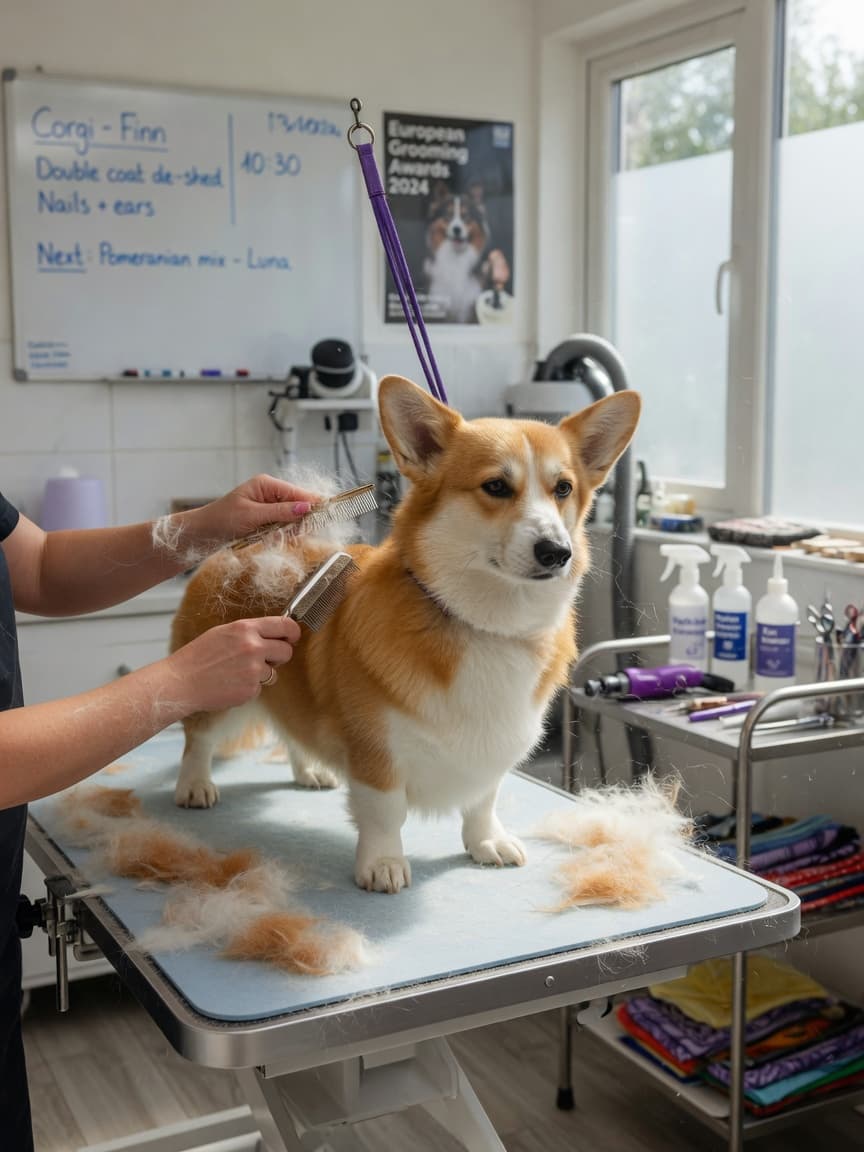
One of the most important factors to consider when assessing Corgi maintenance is their grooming needs. Corgis have a double coat that sheds considerably, particularly during seasonal changes in spring and autumn.
- Brushing should occur at least 3-4 times weekly under normal conditions, increasing to daily during shedding seasons
- Professional grooming every 6-8 weeks helps manage loose hair and maintain coat health
- Regular bathing (monthly or as needed) keeps their coat clean and reduces odour
- Nail trimming every 3-4 weeks prevents overgrowth and related joint problems
- Ear cleaning weekly is essential, as their floppy ears can trap moisture and bacteria
If you're not prepared for regular grooming or the financial investment in professional services, a Corgi may not be ideal for your household.
Exercise and Mental Stimulation Needs

Despite their short stature, Corgis were originally bred as herding dogs and retain substantial energy. These intelligent dogs require regular physical activity and mental enrichment to prevent behavioural problems.
Plan for at least 60-90 minutes of daily exercise, including walks, play sessions, and interactive games. Puzzle toys, obedience training, and agility work provide excellent mental stimulation. Without adequate activity, Corgis can become destructive, develop anxiety, or exhibit excessive barking.
Health Considerations and Veterinary Care
Corgis are generally healthy dogs, but the breed is predisposed to specific conditions that require monitoring:
- Hip dysplasia and other joint problems, particularly because of their long backs and short legs
- Degenerative myelopathy, a progressive spinal cord disease
- Progressive retinal atrophy, affecting eyesight
- Weight management issues, as they're prone to obesity
Regular veterinary check-ups, appropriate preventative care, and a carefully managed diet are essential. Responsible breeders screen for genetic conditions, so sourcing your Corgi from reputable sources is crucial.
Training and Socialisation
Corgis are intelligent and eager to please, which generally makes training straightforward. However, they can be stubborn, so consistent, positive reinforcement methods work best. Early socialisation is vital to prevent excessive barking and ensure they interact well with other pets and people.
Professional training classes can be beneficial, particularly for first-time dog owners, adding to the overall cost of ownership.
Diet and Weight Management

Corgis have a notorious reputation for loving food, and weight management is a common challenge for owners. Obesity significantly increases the risk of joint problems, diabetes, and heart disease.
Feed high-quality dog food measured appropriately for their age, size, and activity level. Most adult Corgis require 800-1000 calories daily, though this varies individually. Avoid table scraps and limit treats to 10% of daily calorie intake.
Frequently Asked Questions
How long do Corgis live?
Corgis typically live 12-13 years with proper care, though some reach their mid-teens.
Are Corgis good for first-time dog owners?
Yes, but they require commitment to grooming, exercise, and training. First-time owners should be prepared for these responsibilities.
Do Corgis get along with children and other pets?
With proper socialisation, Corgis are excellent family dogs. Their herding instinct may cause them to nip at heels, so supervision with young children is important.
The Bottom Line
Corgis are moderately high-maintenance dogs, primarily due to their grooming needs and exercise requirements. They're not ideal for busy households or owners unable to commit time and resources to their care. However, for dedicated dog lovers willing to invest in proper grooming, regular exercise, and veterinary care, Corgis make wonderfully rewarding companions. Consider your lifestyle honestly before bringing home one of these captivating dogs.