
A Liver Disease That Strikes Without Warning
Infectious Canine Hepatitis (ICH) is not the disease most dog owners think of first when they consider vaccination — it lacks the dramatic public profile of distemper or the name recognition of parvovirus. Yet it can kill a previously healthy young dog within 24 to 48 hours of the first visible symptoms. The fact that it does not do so more often is a direct consequence of effective vaccination. Understanding ICH matters because it illustrates precisely why core vaccine schedules exist and what happens when they are not followed.
The Causative Agent: Canine Adenovirus Type 1
Infectious Canine Hepatitis is caused by Canine Adenovirus Type 1 (CAV-1). It is distinct from CAV-2, which is one of the pathogens contributing to kennel cough (infectious tracheobronchitis). The distinction is clinically important: vaccines used today to protect against ICH use a modified live CAV-2 formulation, which confers cross-protection against CAV-1 while causing fewer ocular side effects than earlier CAV-1 vaccines. CAV-1 and CAV-2 are related but different viruses with different primary target tissues.
CAV-1 is a non-enveloped DNA virus — environmentally stable, capable of persisting in urine and other secretions for months. Recovered dogs may shed virus in their urine for up to six months post-infection, making them an ongoing source of environmental contamination even when clinically healthy. The virus is resistant to many disinfectants; formalin, bleach, and iodine-based products are among the effective options.
How ICH Causes Harm
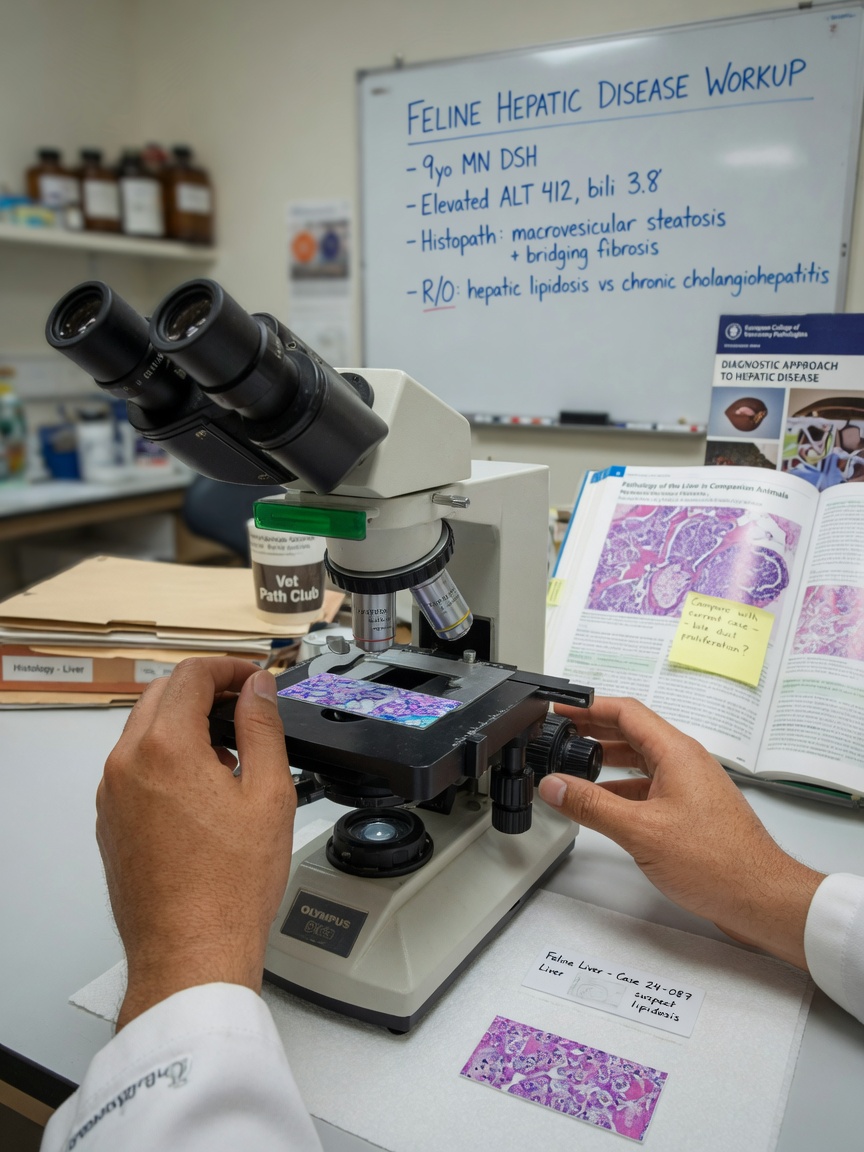
Transmission occurs via contact with contaminated urine, faeces, saliva, or nasal discharge. Once ingested or inhaled, CAV-1 targets the lymphoid tissues first, then spreads via the bloodstream to the primary site of damage: the liver. The virus infects and destroys hepatocytes (liver cells) and the endothelial cells lining blood vessels throughout the body. This vascular damage drives the haemorrhagic features of severe ICH — widespread bleeding, including within the eye and across organ surfaces — and contributes to the coagulopathy (failure of blood clotting) seen in critical cases.
The kidneys are also a significant target: CAV-1 causes glomerulonephritis and is found in high concentrations in renal tissue, which explains the prolonged urinary shedding in survivors. Corneal oedema — the "blue eye" phenomenon — can occur during the recovery phase as immune complexes deposit in the corneal stroma. It may affect one or both eyes and is generally self-limiting, though persistent cases may require veterinary management.
Clinical Presentation Across the Spectrum
Peracute and Acute Disease
Peracute ICH can kill puppies so rapidly that the primary sign observed by the owner is sudden collapse and death, with no preceding illness noted. In acute cases, the progression from apparent health to severe illness can occur over 24 to 48 hours. Signs include high fever, severe lethargy, anorexia, abdominal pain (particularly over the liver region), vomiting, and haemorrhagic diarrhoea. Clotting abnormalities lead to spontaneous bleeding — from the gums, injection sites, or into body cavities. Jaundice may or may not be present. Neurological signs can occur secondary to hepatic encephalopathy in severe cases.
Subacute and Mild Disease
Not all ICH infections are fatal. Some dogs — particularly those with partial immunity from prior vaccination or maternal antibodies — develop a milder illness: transient fever, mild lethargy, and soft stools from which they recover over one to two weeks. These individuals may still shed virus in their urine for months and represent an underappreciated epidemiological risk in dog populations.
Diagnosis, Treatment, and Prognosis
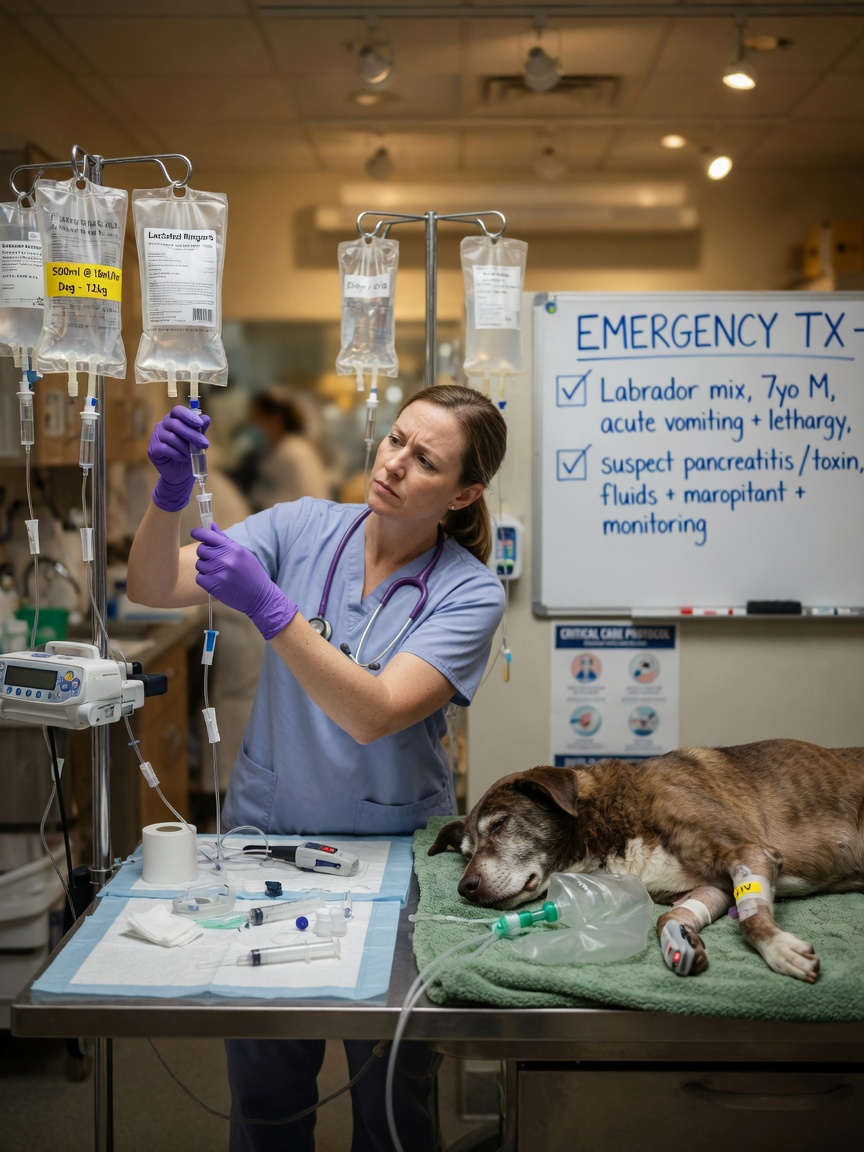
Diagnosis is supported by liver enzyme elevation (particularly ALT and ALP), coagulation profile abnormalities, and characteristic histopathological findings if liver biopsy is performed. PCR testing and paired serology can confirm viral involvement. Corneal oedema in a young dog with liver disease should raise suspicion of ICH even before other test results are available.
Treatment is supportive and intensive. Intravenous fluids, plasma or whole blood transfusion to address coagulopathy, hepatoprotective agents, and management of secondary complications form the basis of care. Survival through the acute phase (typically the first three to five days) carries a reasonable prognosis for recovery in dogs without overwhelming hepatic failure. Always consult a vet urgently if ICH is suspected — delay significantly worsens outcomes.
Why the CAV-2 Vaccine Belongs in Every Dog's Protocol
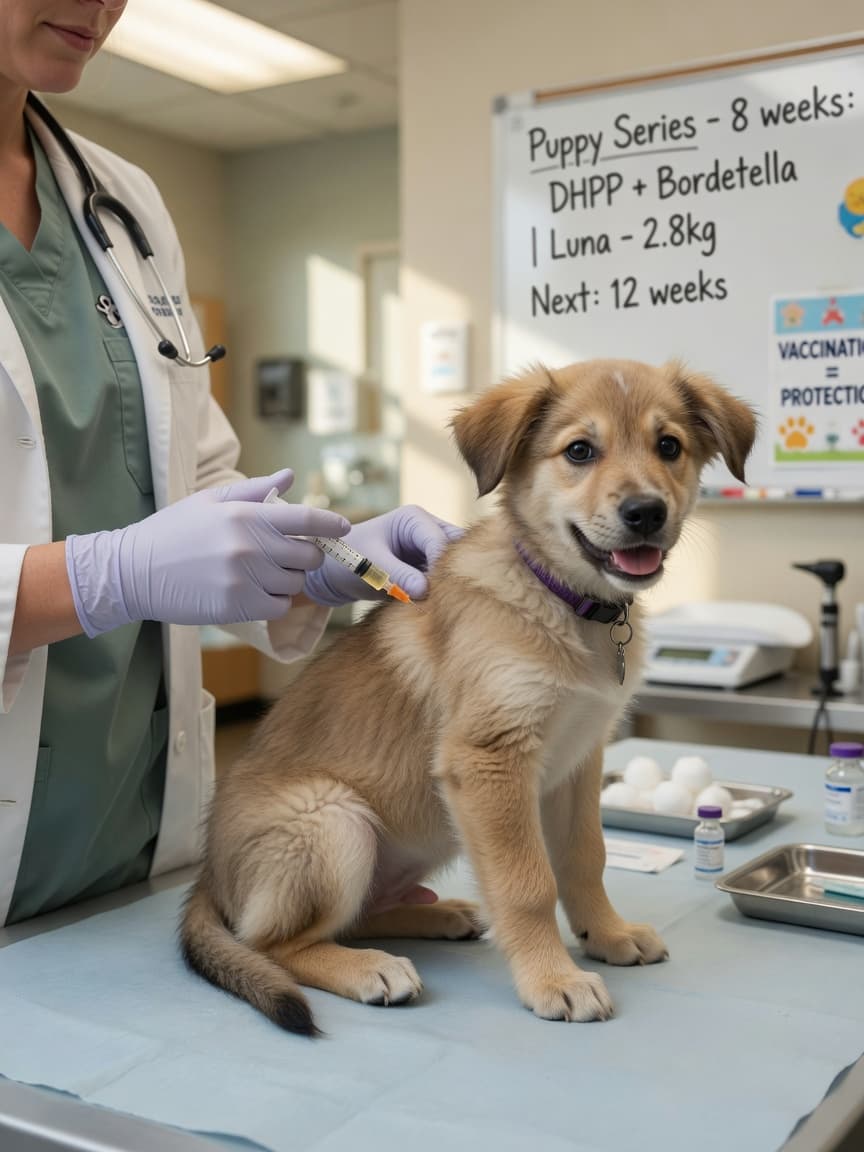
Protection against ICH is delivered through the CAV-2 component of combination vaccines — typically administered as part of a DHPPi or similar combination product. The cross-protection it provides against CAV-1 is robust and long-lasting. Vaccination schedules mirror those for distemper and parvovirus: a primary puppy course from six to eight weeks of age, a booster at one year, and triennial revaccination in adult dogs.
The practical implication is that a dog whose core vaccination is current is almost certainly protected against ICH — it does not require a separate product. The risk lies with unvaccinated dogs, lapsed vaccination, and puppies whose maternal antibody protection has waned before their vaccine course is complete. These are the animals who remain genuinely vulnerable to a disease that can kill them in two days.
Summary for Dog Owners
- Infectious Canine Hepatitis is caused by CAV-1, an environmentally stable virus shed in urine for months by recovered dogs.
- The virus targets the liver and blood vessels, causing haemorrhagic disease and clotting failure that can be fatal within 48 hours.
- "Blue eye" corneal oedema is a recognised complication of ICH and immune complex deposition — report any sudden clouding of a dog's eye to your vet.
- Treatment is intensive and supportive; early veterinary intervention is critical to survival.
- Protection is provided by the CAV-2 component of standard combination vaccines — no separate product is needed.
- Keep vaccination records up to date, and consult your vet about any dog whose vaccination history is unknown or lapsed.