
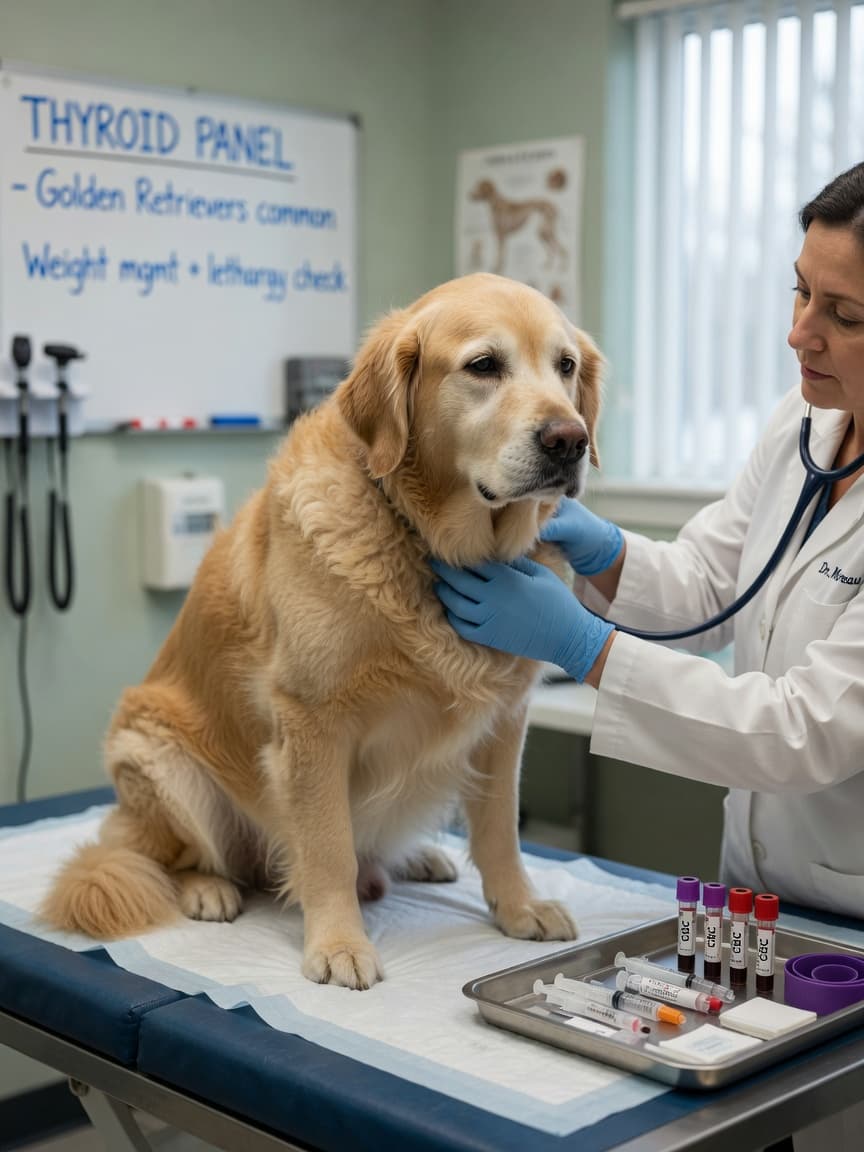
Understanding the Thyroid Gland
The thyroid gland sits in the neck on either side of the trachea and plays a central role in regulating metabolism. It produces hormones — primarily thyroxine (T4) and triiodothyronine (T3) — that influence virtually every organ system in the body, from heart rate and body temperature to skin health and mental alertness. When the thyroid fails to produce sufficient hormone, the result is hypothyroidism: a condition that slows everything down.
Hypothyroidism is the most common endocrine disorder in dogs, though it is far less frequently seen in cats. Middle-aged and older dogs are most commonly affected, typically between the ages of four and ten years. Certain breeds carry a higher predisposition, including Golden Retrievers, Dobermann Pinschers, Irish Setters, Great Danes, Boxers, and Cocker Spaniels.
What Causes It?
The vast majority of canine hypothyroidism — roughly 95 percent of cases — results from destruction of thyroid tissue, either through lymphocytic thyroiditis (an immune-mediated process) or idiopathic follicular atrophy, where the gland simply degenerates over time for no clearly identified reason. In both cases, the dog's body gradually loses its ability to produce adequate thyroid hormone.
Secondary hypothyroidism, caused by pituitary dysfunction that fails to stimulate the thyroid, is rare. Congenital hypothyroidism, present from birth, is also uncommon but can cause dwarfism and developmental delays in affected puppies.
Recognising the Signs
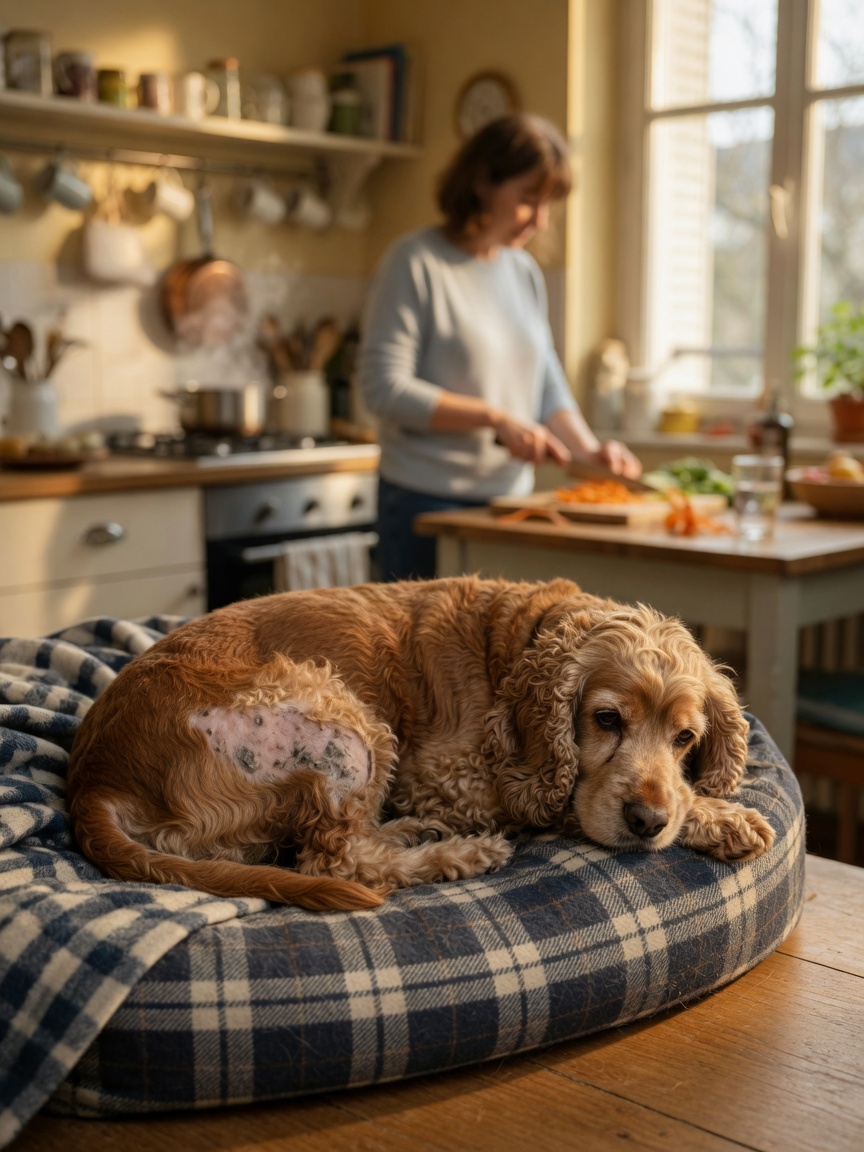
Because thyroid hormones affect so many body systems, hypothyroidism presents with a wide and sometimes puzzling range of clinical signs. The condition tends to develop slowly, which means owners often attribute the changes to normal ageing. Common signs include:
- Weight gain despite no change in diet or appetite
- Lethargy and exercise intolerance — dogs often become reluctant to walk or play
- Cold intolerance — seeking warm spots, shivering in mild temperatures
- Skin and coat changes, including dry, dull fur, excessive shedding, and a failure of coat to regrow after clipping
- Symmetrical hair loss, often on the trunk, tail, and behind the ears, typically without itching
- Thickening of the skin, sometimes described as giving the face a tragic or puffy expression
- Bradycardia — an abnormally slow heart rate
- Reproductive issues in intact dogs
Neurological signs, including peripheral neuropathy, head tilt, and facial nerve paralysis, can occur in some cases, though these are less common.
How Is Hypothyroidism Diagnosed?
Diagnosis requires blood testing, as the clinical signs alone are insufficient to confirm the condition — many other diseases share similar presentations. The standard starting point is measurement of total T4 (TT4). A low TT4 result in a dog showing compatible signs is strongly suggestive, but not definitively diagnostic.
Free T4 measured by equilibrium dialysis (fT4 by ED) is considered more accurate, as it is less affected by concurrent illness or medication. Many vets will also assess TSH (thyroid-stimulating hormone) levels; an elevated TSH alongside a low T4 provides a more reliable diagnosis, though a normal TSH does not entirely rule the condition out.
It is worth noting that a range of illnesses and drugs — including steroids, phenobarbital, and sulphonamide antibiotics — can suppress thyroid hormone levels without the dog having true hypothyroidism. This is known as euthyroid sick syndrome and can lead to misdiagnosis. Your vet may recommend repeating tests once any concurrent illness has resolved, or discussing the results with a specialist if the picture is unclear.
Treatment and Monitoring
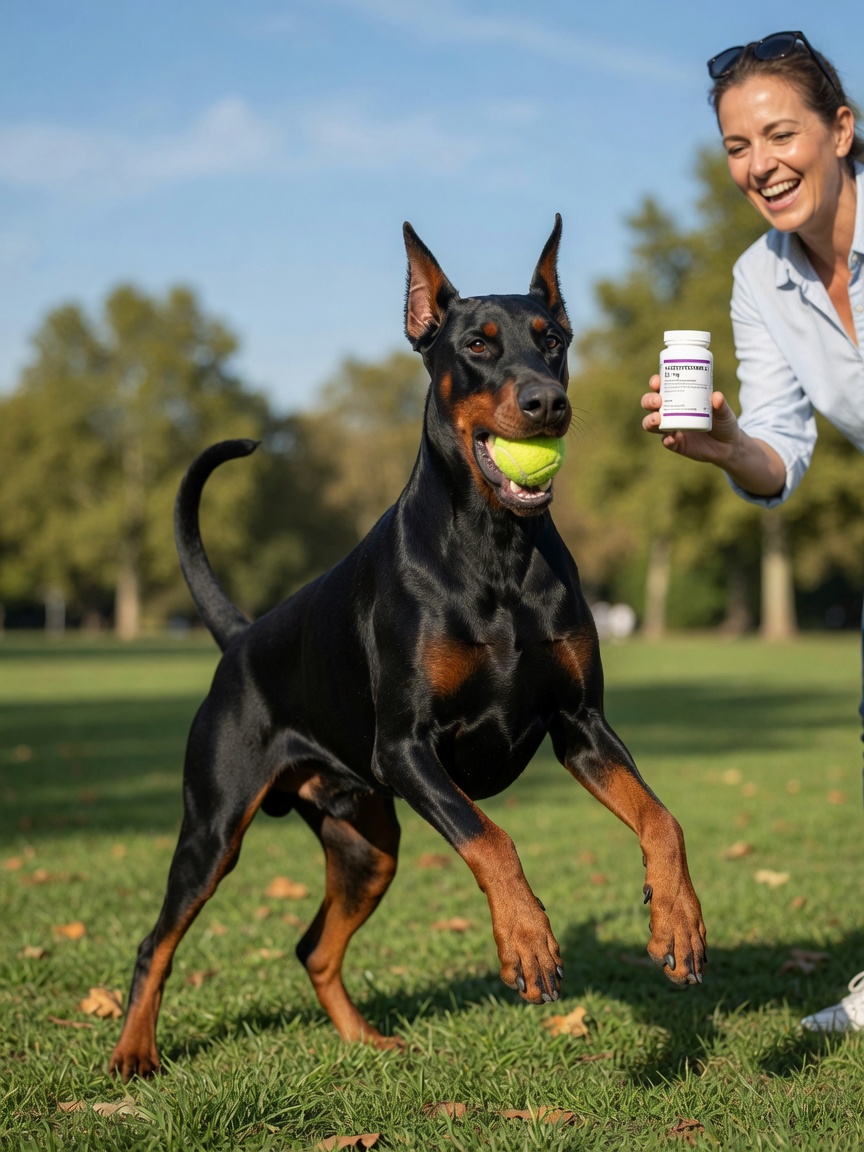
The good news is that hypothyroidism is one of the more straightforward endocrine conditions to treat. Lifelong supplementation with synthetic thyroxine (levothyroxine) is given once or twice daily by mouth. Most dogs begin to show improvement within four to eight weeks, with coat quality and energy levels often the first things owners notice changing.
Follow-up blood tests are required four to six weeks after starting treatment and again following any dose adjustment. Once a stable dose is established, twice-yearly monitoring is typically sufficient. The aim is to maintain T4 within the upper half of the normal reference range, checked four to six hours after the morning dose.
Dosing must be tailored to the individual dog, as absorption and metabolism of levothyroxine vary. Some dogs require dose adjustments over time, particularly as they age or if concurrent health conditions develop.
What to Expect Long Term
With appropriate treatment, the prognosis for dogs with hypothyroidism is excellent. Most return to a normal energy level, achieve a healthy weight, and see significant improvement in coat and skin quality. The condition does not shorten life expectancy when well managed.
It is important not to stop or reduce medication once a dog is doing well. Hypothyroidism is a permanent condition requiring lifelong treatment. Regular vet check-ups ensure the dose remains appropriate and allow for early detection of any other age-related health changes alongside thyroid monitoring.