
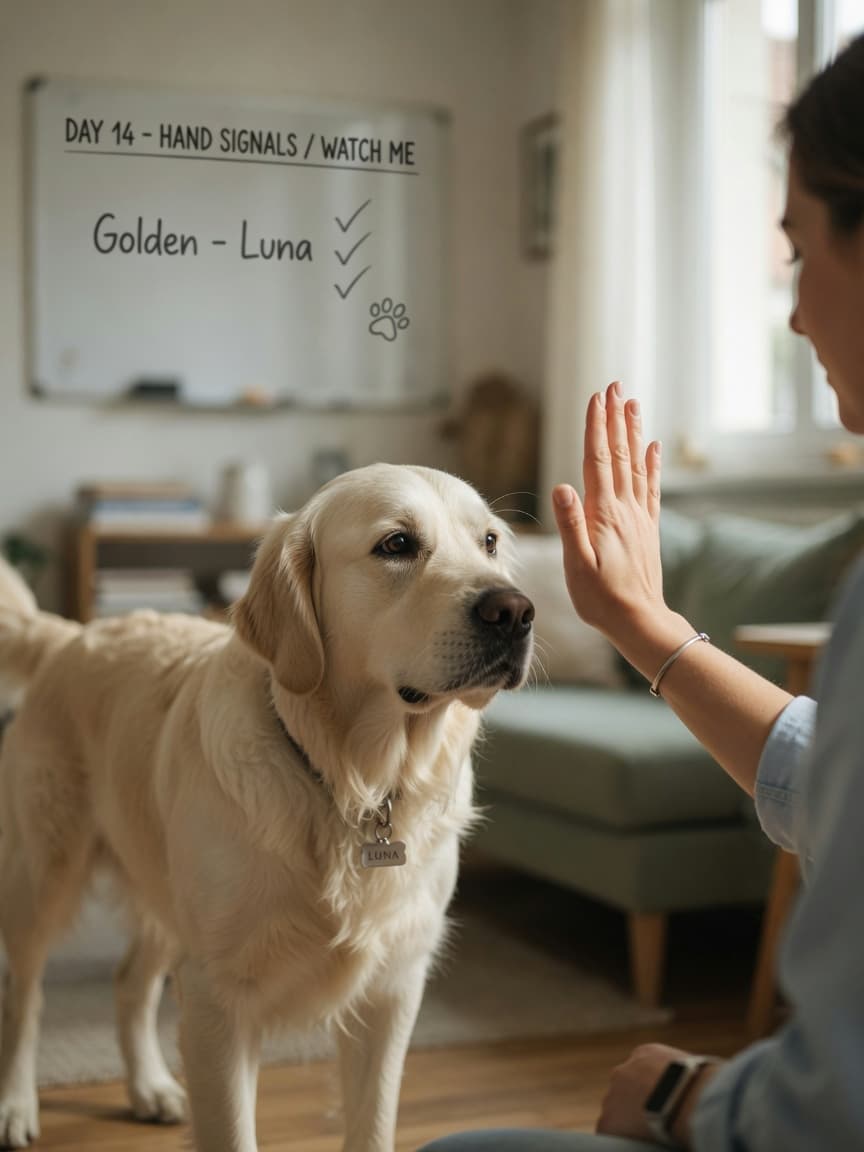
Imagine communicating with your dog using hand signals instead of voice commands—it's not science fiction, it's entirely possible! Dogs are remarkably intelligent creatures with an impressive ability to read human body language and learn visual cues. Whether you're training a deaf dog, working in noisy environments, or simply want to enhance your bond with your pet, sign language can be a game-changer. In this guide, I'll walk you through the science behind canine sign language learning and share vet-approved techniques that actually work.
Do Dogs Understand Sign Language?
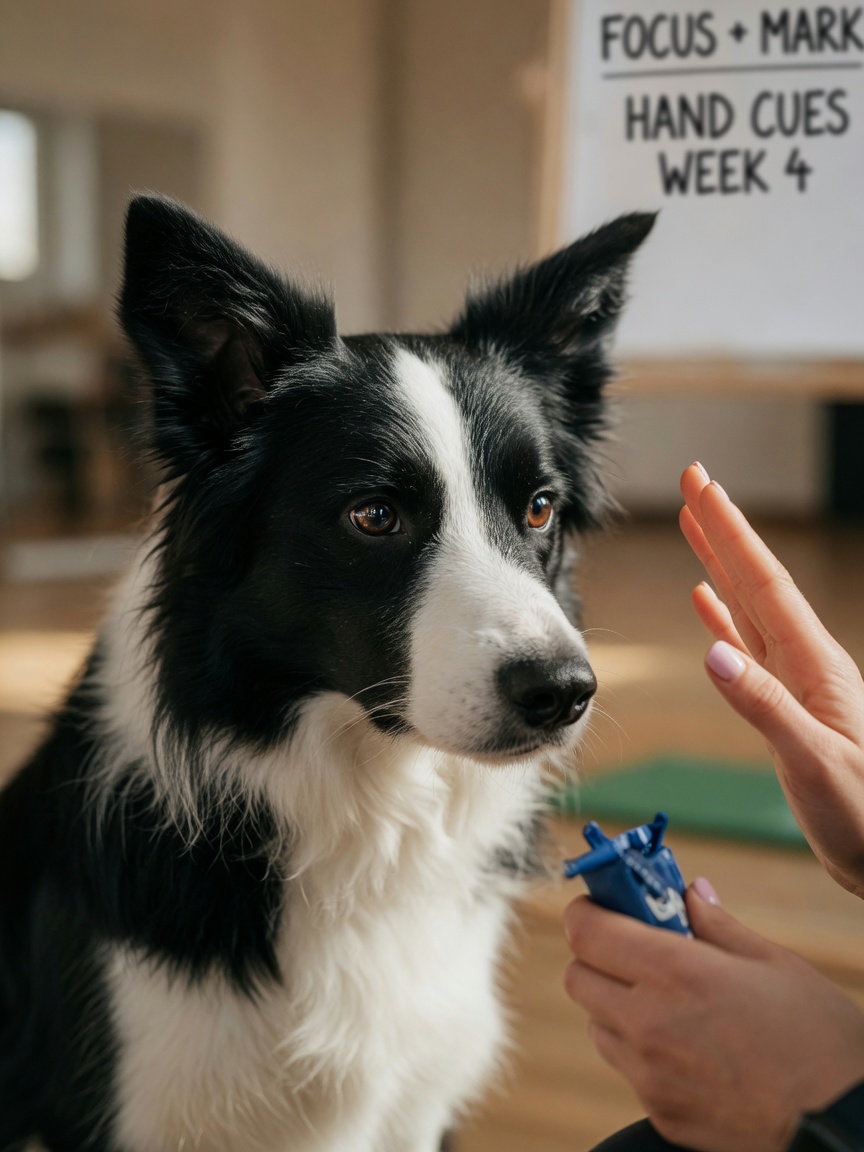
The short answer is yes—dogs can absolutely learn sign language. Research in canine cognition shows that dogs are naturally attuned to human gestures and body language. In fact, many dogs already respond to hand signals without formal training, such as pointing or waving.
Dogs process visual information remarkably well, especially when it comes to understanding human intentions. Studies have demonstrated that dogs watch our faces, hands, and body posture intently, making them ideal candidates for sign-based communication. This ability likely stems from thousands of years of domestication, during which dogs evolved to read human visual cues.
Why Choose Sign Language Training?
There are several compelling reasons to teach your dog sign language:
- Deaf dogs: Sign language provides deaf dogs with clear, accessible communication methods
- Noisy environments: Useful for working dogs in loud settings where verbal commands don't carry
- Enhanced bonding: Visual communication deepens your connection with your pet
- Backup system: Helpful if you lose your voice or need silent commands during activities like hunting
- Mental stimulation: Learning new signals provides cognitive enrichment for intelligent breeds
Getting Started: Basic Training Principles
Successful sign language training relies on the same fundamental principles as verbal training. Here's what you need to know:
Use Positive Reinforcement: Reward desired behaviour with high-value treats, praise, or play. Your dog needs to associate the hand signal with something positive happening. Consistency is absolutely essential—always use the exact same hand movement for each command.
Start Simple: Begin with basic commands like "sit" or "down" before progressing to more complex signals. Keep training sessions short (5-10 minutes) and enjoyable to maintain your dog's interest and prevent frustration.
Capture Your Dog's Attention: Ensure your dog is looking at you before executing the sign. You might say their name or use a visual marker like a light touch on their shoulder to grab their focus.
Step-by-Step Training Guide
- Identify the command: Choose what behaviour you want to train (sit, down, stay, come)
- Design your signal: Create a distinctive, clear hand gesture that's easy for you to repeat consistently
- Lure the behaviour: Use a treat to guide your dog into the desired position, then immediately make your hand signal
- Reward instantly: Give the treat and praise within one second of your dog performing the behaviour
- Repeat consistently: Practice the same signal at least 10-15 times daily over several weeks
- Fade the lure: Gradually reduce treat-luring and rely more on the hand signal alone
- Add distance: Once mastered, gradually increase the distance between you and your dog when giving signals
Common Hand Signals to Teach
Many trainers use these effective, intuitive signs:
- Sit: Raise your hand to eye level with fingers pointing upward, then curl them inward
- Down: Point downward or flatten your palm facing down and push it towards the ground
- Stay: Extend one arm with an open palm facing your dog
- Come: Extend both arms outward then bring them in towards your chest
- Leave it: Raise your hand sharply with a "stop" gesture
Key Takeaways for Success
Sign language training works best when you combine visual clarity with consistent positive reinforcement. Remember that every dog learns at their own pace—patience is genuinely important. Whether your dog is deaf, you're training a high-energy breed, or you simply want an additional communication tool, hand signals offer a rewarding way to deepen your relationship with your canine companion. Start today with a single simple command, and you'll be amazed at how quickly your dog catches on.