
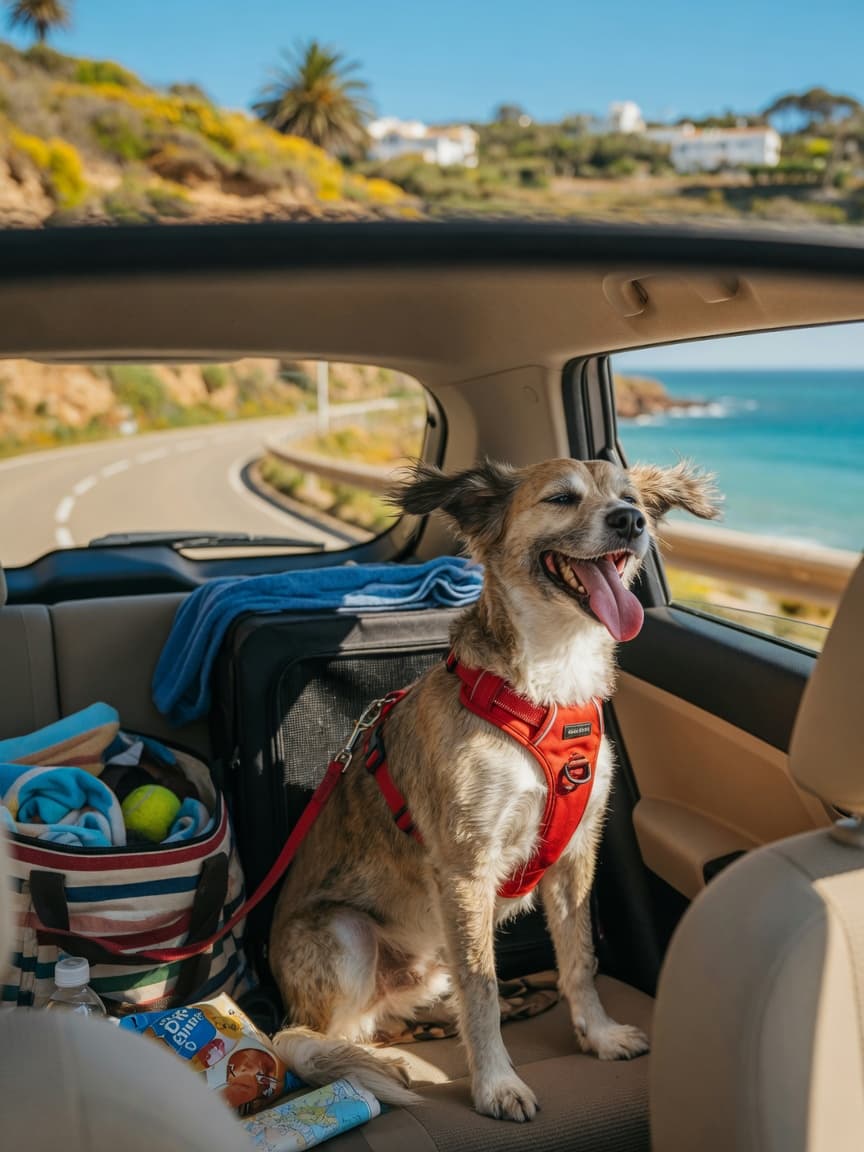
Travelling with your furry companion can be one of life's greatest adventures, but it requires thoughtful planning to ensure your dog remains safe, comfortable, and happy whilst away from home. Whether you're heading to the coast, countryside, or visiting friends abroad, understanding the essentials of pet travel will help you create lasting memories with your beloved dog, free from stress and worry.
Pre-Holiday Health Preparations
Before embarking on any journey, schedule a veterinary check-up at least four weeks before your departure date. Your vet can assess whether your dog is fit enough for travel and update any necessary vaccinations. If travelling internationally within Europe, ensure your dog has a pet passport and is microchipped—this is a legal requirement for cross-border movement.
Discuss flea and tick prevention with your vet, as parasites are more prevalent during warmer months and in certain regions. Request any necessary medications in advance, including anti-travel sickness tablets if your dog suffers from nausea during journeys. If your dog takes regular medications, bring enough supplies plus extras, as sourcing the same prescription abroad can be challenging.
Choosing Your Accommodation
Select dog-friendly accommodation well in advance. Many hotels, holiday rentals, and boutique properties now welcome canine guests, though some may charge additional fees. When booking, confirm:
- Whether dogs are permitted in all areas or restricted to certain rooms
- What size dogs are accepted
- If there are nearby parks or walking areas
- Whether the property provides water bowls and designated relief areas
- Cancellation policies if your dog becomes unwell
Pet-sitting services or boarding facilities can be excellent alternatives if your accommodation isn't suitable, allowing you flexibility to explore dog-unfriendly attractions whilst your dog remains comfortable and supervised.
Packing the Perfect Travel Bag
Create a comprehensive travel kit containing:
- Food and water bowls (collapsible ones save space)
- Sufficient food for the entire trip, plus extra
- All medications and medical records
- Collar, lead, and harness
- ID tags with your mobile number and accommodation address
- Bed or blanket for familiar comfort
- Favourite toys and chews
- Grooming supplies and waste bags
- Recent photographs of your dog (for identification if lost)
Managing Travel and Transport
Whether driving or flying, accustom your dog to travel gradually. Short journeys beforehand reduce anxiety on the actual holiday. For car travel, use a secure harness, travel crate, or barrier—never allow your dog to roam freely as this creates safety hazards.
Stop every two hours for toilet breaks and exercise. Never leave your dog unattended in a vehicle, even with windows open, as temperatures can become dangerously high within minutes.
If flying, contact your airline weeks in advance regarding their pet policies. Most European airlines require advance notification and may stipulate specific carrier requirements. Consult your vet about calming aids for anxious dogs, though medication should be considered only as a last resort.
Maintaining Routine and Safety
Dogs thrive on routine, so maintain consistent feeding times, exercise schedules, and sleeping patterns wherever possible. This stability helps prevent digestive upset and behavioural issues.
Identify nearby veterinary clinics before arrival—search online or ask your accommodation provider for recommendations. Keep your vet's contact details at home readily available should you need to contact them remotely.
Research local dangers such as toxic plants, wildlife, or hazardous terrain. Keep your dog supervised at all times, particularly in unfamiliar environments.
Key Takeaways
Successful dog holidays require advance planning, health preparation, and thoughtful consideration of your dog's needs. By scheduling a pre-travel vet check, selecting appropriate accommodation, packing essentials, managing transport safely, and maintaining familiar routines, you'll create an enjoyable experience for both you and your canine companion. Remember: a well-prepared dog is a happy traveller.