
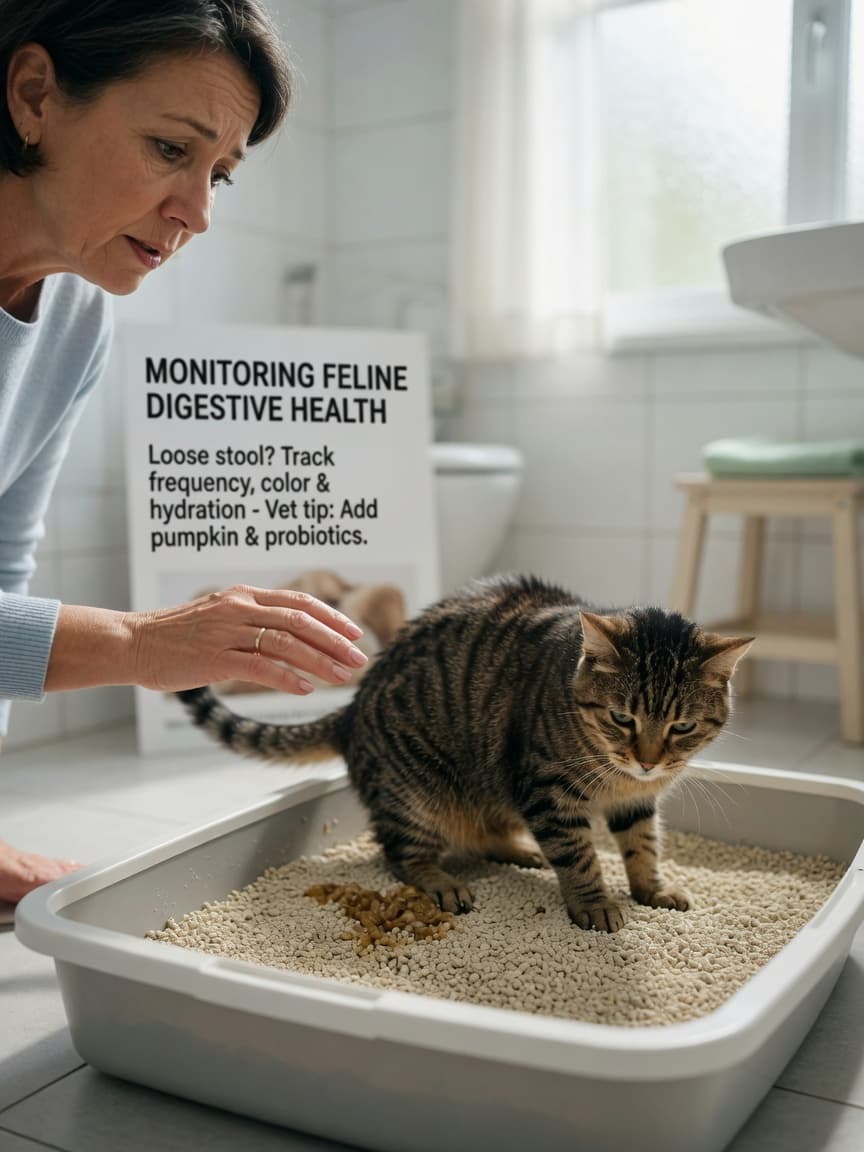
Diarrhoea in cats is one of the most common health concerns we see in veterinary practice, and it can be genuinely distressing for both you and your feline companion. Whether your cat is experiencing a mild, temporary upset or persistent digestive issues, understanding the causes and knowing how to respond appropriately can make a significant difference to their recovery and your peace of mind. In this guide, we'll explore practical, evidence-based approaches to managing feline diarrhoea at home, and importantly, when professional veterinary care becomes necessary.
Identifying the Underlying Cause
Before treating diarrhoea, it helps to understand what might be causing it. Common culprits include:
- Dietary changes or food sensitivities
- Stress or anxiety-related conditions
- Intestinal parasites (especially in kittens and outdoor cats)
- Bacterial or viral infections
- Inflammatory bowel disease
- Consuming inappropriate items or spoiled food
Most cases of acute diarrhoea resolve within 24-48 hours without intervention. However, if your cat's condition persists or worsens, professional assessment is essential.
Immediate Home Management
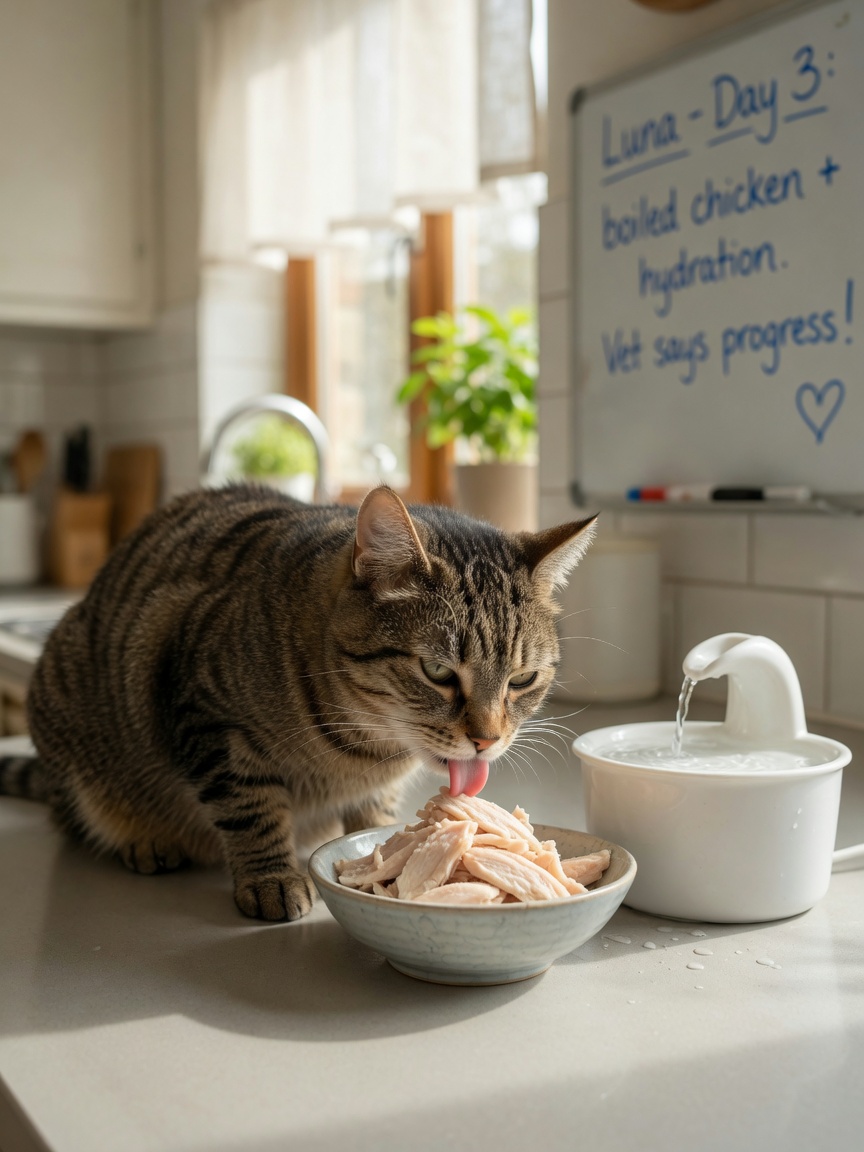
For mild cases of acute diarrhoea, several supportive measures can help your cat feel better:
- Temporary Fasting – Consider offering nothing to eat for 12-24 hours, allowing the digestive system to rest. Continue offering fresh water to prevent dehydration, which is particularly important with diarrhoea.
- Bland Food Introduction – Gradually introduce easily digestible foods such as boiled chicken (without skin or seasoning), plain cooked fish, or commercial prescription digestive diets recommended by your vet.
- Hydration – Ensure constant access to fresh water. Some cats prefer running water from fountains, which can encourage drinking.
- Monitor Output – Keep an eye on litter box habits to track improvement and note any blood or mucus, which should be reported to your vet.
Dietary Adjustments and Solutions
Nutrition plays a crucial role in managing feline diarrhoea. If your cat has recently experienced dietary changes, consider reverting to their previous food and making any transitions more gradually over 7-10 days. Some cats benefit from a limited-ingredient or novel protein diet, particularly if food sensitivities are suspected.
For chronic diarrhoea, your veterinarian might recommend prescription digestive diets formulated specifically to support intestinal health. Additionally, pre- and probiotics can help restore beneficial gut bacteria, though evidence for effectiveness varies between individual cats.
When to Seek Veterinary Care
Contact your veterinarian promptly if:
- Diarrhoea persists longer than 48 hours
- Your cat shows signs of dehydration (lethargy, sunken eyes, dry mouth)
- You notice blood or unusual colour in stools
- Your cat seems painful or distressed
- Diarrhoea is accompanied by vomiting or loss of appetite
- Your kitten is affected (they dehydrate rapidly)
Your vet may recommend faecal testing to rule out parasites, dietary trials, or other diagnostics depending on your cat's individual situation.
Preventative Measures
Keeping your cat healthy naturally reduces diarrhoea occurrences. Ensure regular parasite prevention, maintain consistent nutrition, introduce diet changes gradually, manage stress through enrichment and routines, and maintain good hygiene standards for food and water bowls.
Key Takeaways
Most cases of feline diarrhoea resolve quickly with supportive care and time. Focus on hydration, rest, and bland nutrition whilst monitoring your cat's progress. However, don't hesitate to contact your veterinarian if symptoms persist or your cat appears unwell. Every cat is unique, and professional guidance ensures your companion receives appropriate treatment for their specific situation. With prompt, appropriate care, most cats make a full recovery and return to their normal, contented selves.