
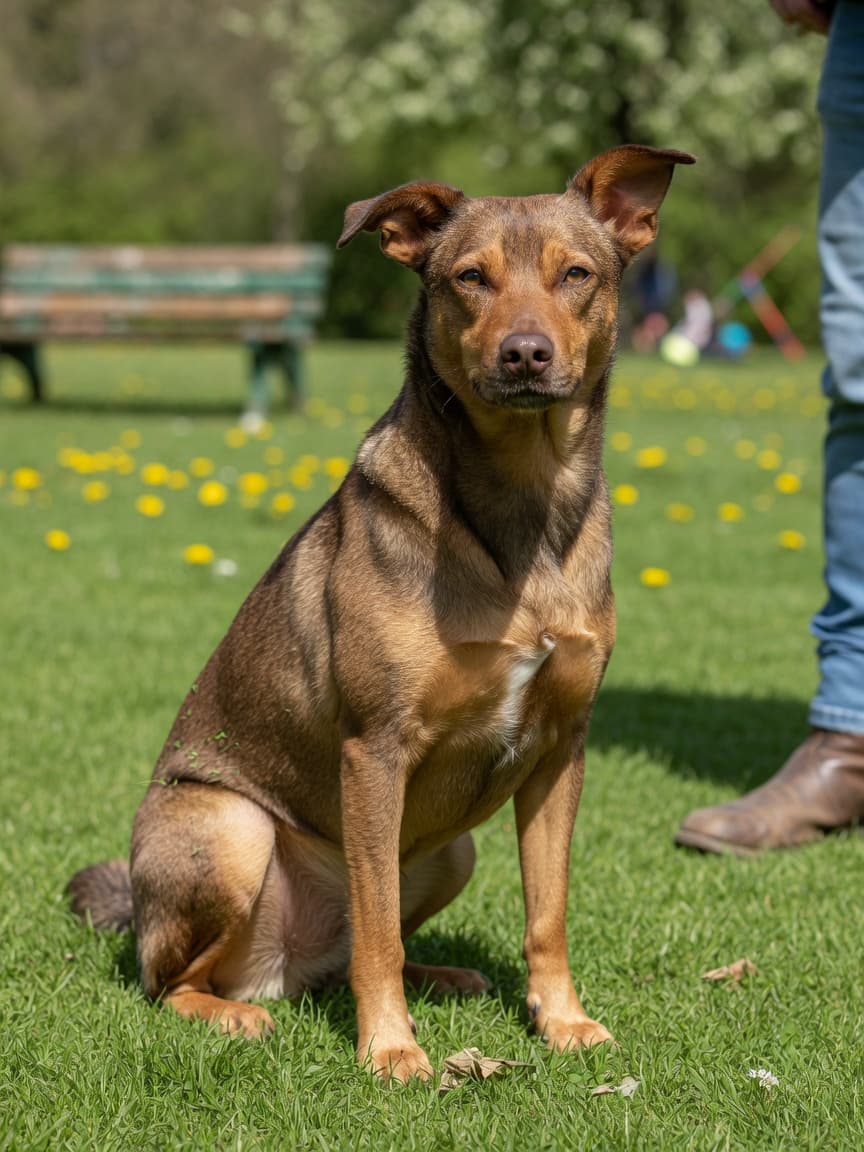
Teaching your dog to stay is one of the most valuable commands you can instil. This essential skill not only keeps your dog safe in potentially dangerous situations—like near a busy road or during an open gate—but also builds their confidence and strengthens your bond. Whether you have a spirited puppy or an adult dog, mastering the "stay" command is achievable with patience, consistency, and the right approach.
Why the "Stay" Command Matters
The "stay" command gives you reliable control over your dog's movements, which is crucial for their safety and the safety of others. A well-trained dog that stays on command won't bolt toward traffic, won't jump on visiting children, and can remain calm during stressful situations like veterinary visits. Beyond safety, teaching stay enhances your dog's mental stimulation and provides an outlet for their natural desire to work alongside you.
Prerequisites: Building a Foundation
Before attempting to teach stay, your dog should already understand basic commands like "sit" and "down". These foundational skills teach your dog how to respond to your cues and help them understand the concept of commands. If your dog hasn't mastered these yet, spend 2-3 weeks practising them daily for 5-10 minute sessions.
You'll also need high-value rewards—small, soft training treats your dog absolutely loves. This makes the incentive to stay far more appealing than distractions.
Step-by-Step Training Process
- Start with "Sit": Ask your dog to sit in a distraction-free environment like your lounge or garden.
- Introduce the Hand Signal: Hold your hand up with an open palm in front of your dog's face—this is your visual cue for "stay".
- Say "Stay" Clearly: Use a calm, firm voice when saying the command. Avoid sounding excited or uncertain.
- Wait Just Seconds: Initially, only expect your dog to stay for 2-3 seconds. Timing is critical—reward them before they break position.
- Reward Immediately: The moment the time is up, say "Yes!" enthusiastically and give them a treat whilst they're still in position.
- Gradually Increase Duration: Once your dog succeeds consistently with short intervals, gradually extend to 5 seconds, then 10, then 30 seconds.
Increasing Difficulty: Distance and Distractions
Once your dog reliably stays for 30 seconds in one spot, you can introduce challenges:
- Distance: Take one step away, say "stay", wait a few seconds, then return and reward. Gradually increase your distance.
- Duration: Extend the time incrementally before releasing them.
- Distractions: Practise in busier environments—your garden, then local parks. Start with low-distraction settings and build up.
- Release Command: Teach a clear release word like "free" or "done" so your dog knows when the stay ends.
Common Training Mistakes to Avoid
Don't move too quickly through stages—dogs that progress too fast often regress. Never punish your dog for breaking a stay; instead, calmly return them to position and try again with shorter duration. Avoid calling your dog to you from a stay; instead, always return to release them. This prevents them from anticipating movement as the signal to come.
Practice Schedule and Consistency
Train 2-3 times daily in 5-minute sessions. Consistency matters far more than lengthy sessions. Keep training positive and end on success, even if it means reducing difficulty slightly. Most dogs grasp the concept within 2-4 weeks with regular, patient practice.
Key Takeaways
Training your dog to stay requires patience, positive reinforcement, and gradual progression. Start in quiet environments with short durations, use high-value rewards, and always remain calm and encouraging. With dedication, your dog will develop this crucial skill that enhances both safety and obedience. Remember, every dog learns at their own pace—celebrate small victories and remain consistent in your approach.