
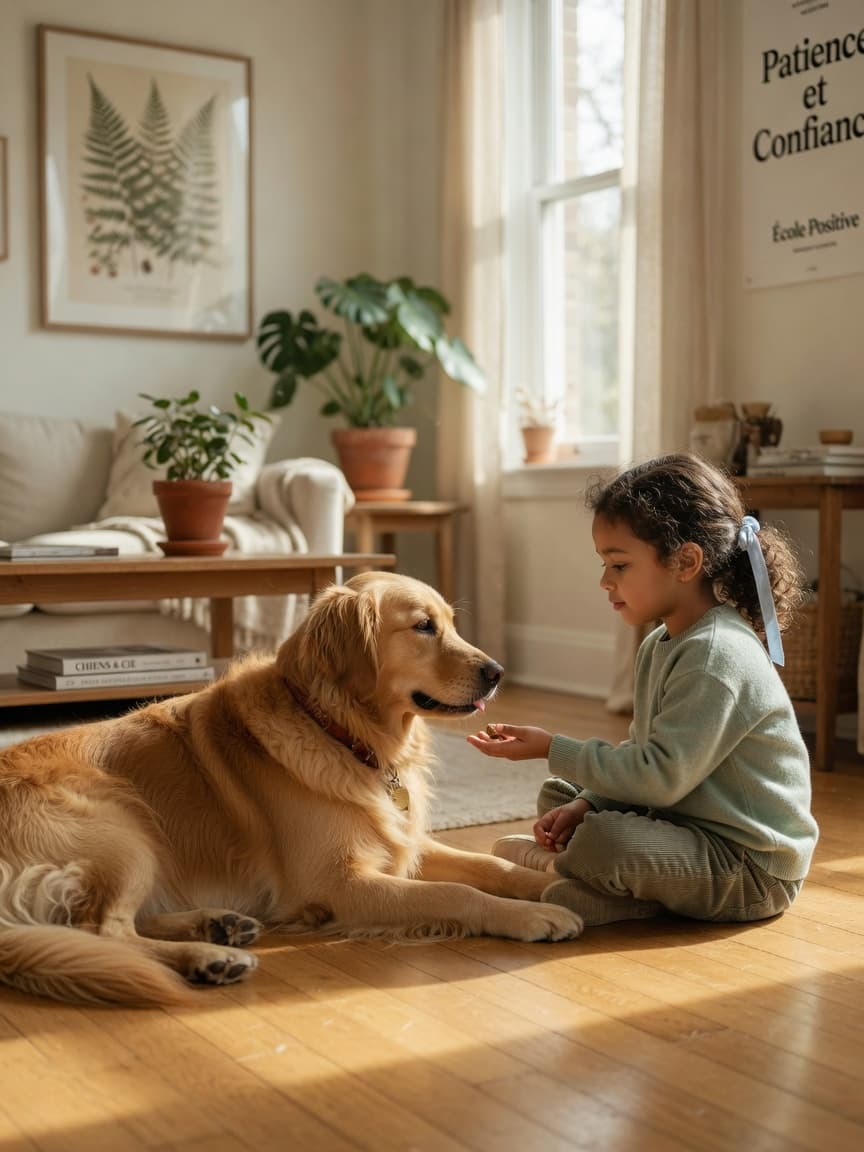
One of the greatest joys of pet ownership is watching your dog and children form a loving bond, but this relationship requires careful planning and consistent training. Dogs and children don't naturally understand each other's boundaries, and without proper guidance, even the gentlest dog can accidentally hurt a child, or a child might inadvertently frighten or provoke their four-legged friend. The good news is that with patience, positive reinforcement, and structured training, you can teach your dog to interact confidently and safely with children of all ages.
Start Early and Assess Your Dog's Temperament
The foundation of safe dog-child interactions begins with understanding your dog's individual personality. Some dogs are naturally patient and tolerant, whilst others may feel anxious or overwhelmed around children. Before introducing your dog to kids, observe how they respond to sudden movements, loud noises, and physical handling. If your dog shows signs of fear, aggression, or excessive anxiety, consult your veterinarian or a certified dog behaviourist before proceeding with training.
For puppies, early socialisation with children (between 3-14 weeks of age) significantly improves their comfort around kids later in life. However, even adult dogs can learn appropriate behaviour with dedicated training and patience.
Teach Essential Commands and Impulse Control
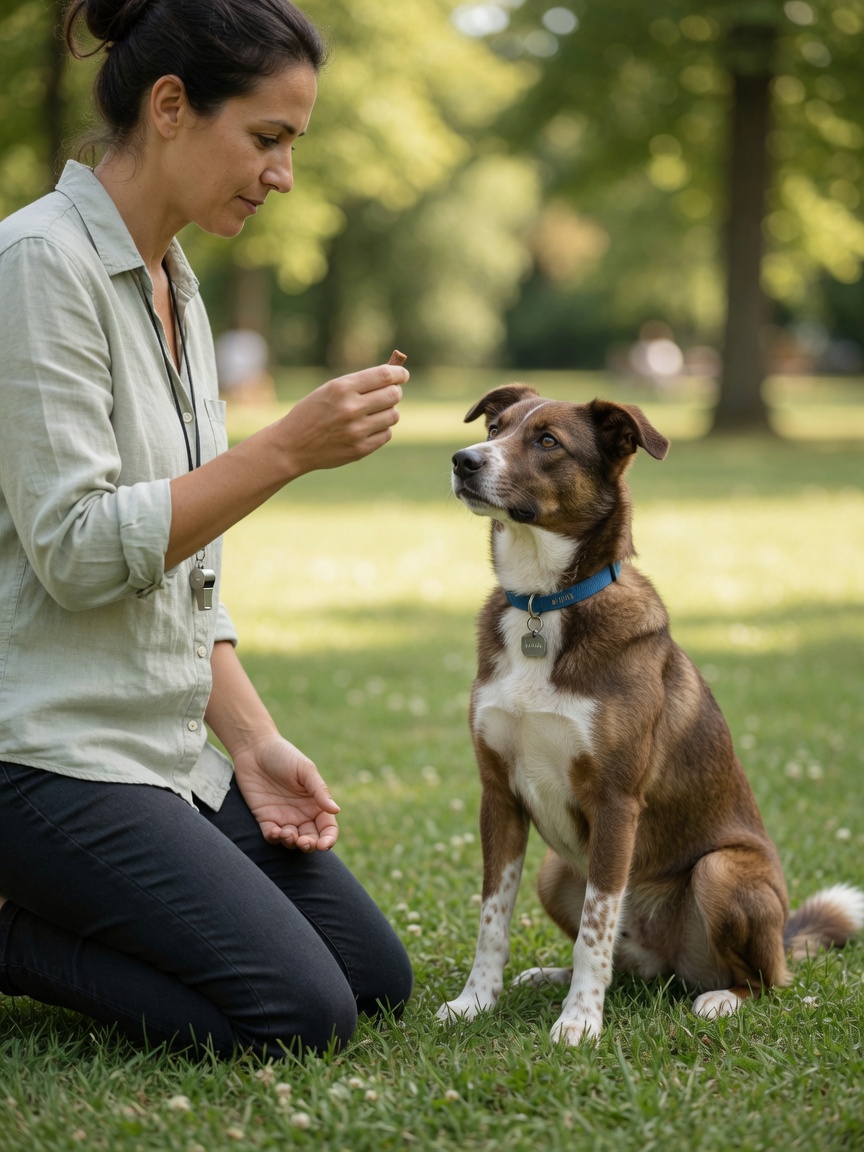
A well-trained dog is a safe dog. Before expecting your dog to interact calmly with children, ensure they've mastered fundamental commands:
- Sit – A seated dog is less likely to jump or knock children over
- Stay – Helps your dog maintain distance when children are excited or playing
- Leave it – Prevents your dog from grabbing toys or food from children's hands
- Down – A calming command that reduces arousal during play
- Come – Allows you to recall your dog immediately if a situation becomes uncomfortable
Use positive reinforcement, rewarding your dog with treats and praise when they respond correctly. Practice these commands regularly in different environments, gradually introducing mild distractions like children playing nearby.
Establish Boundaries and Safe Spaces
Dogs need a refuge where they can retreat without interruption. Create a designated safe space—perhaps a crate or quiet room—where children understand they cannot follow. This gives your dog control over interactions and reduces stress-related behaviour. Teach children to respect this boundary; it's not a punishment zone, but rather your dog's sanctuary.
Additionally, establish clear rules about petting and handling:
- Always supervise interactions between dogs and children
- Teach children to pet your dog gently on the chest, shoulders, or back, avoiding sensitive areas like the face, ears, and tail
- Children should never disturb your dog whilst eating, sleeping, or playing with toys
- Discourage roughhousing, as this can escalate excitement and lead to accidents
Gradual Introduction and Supervised Practice
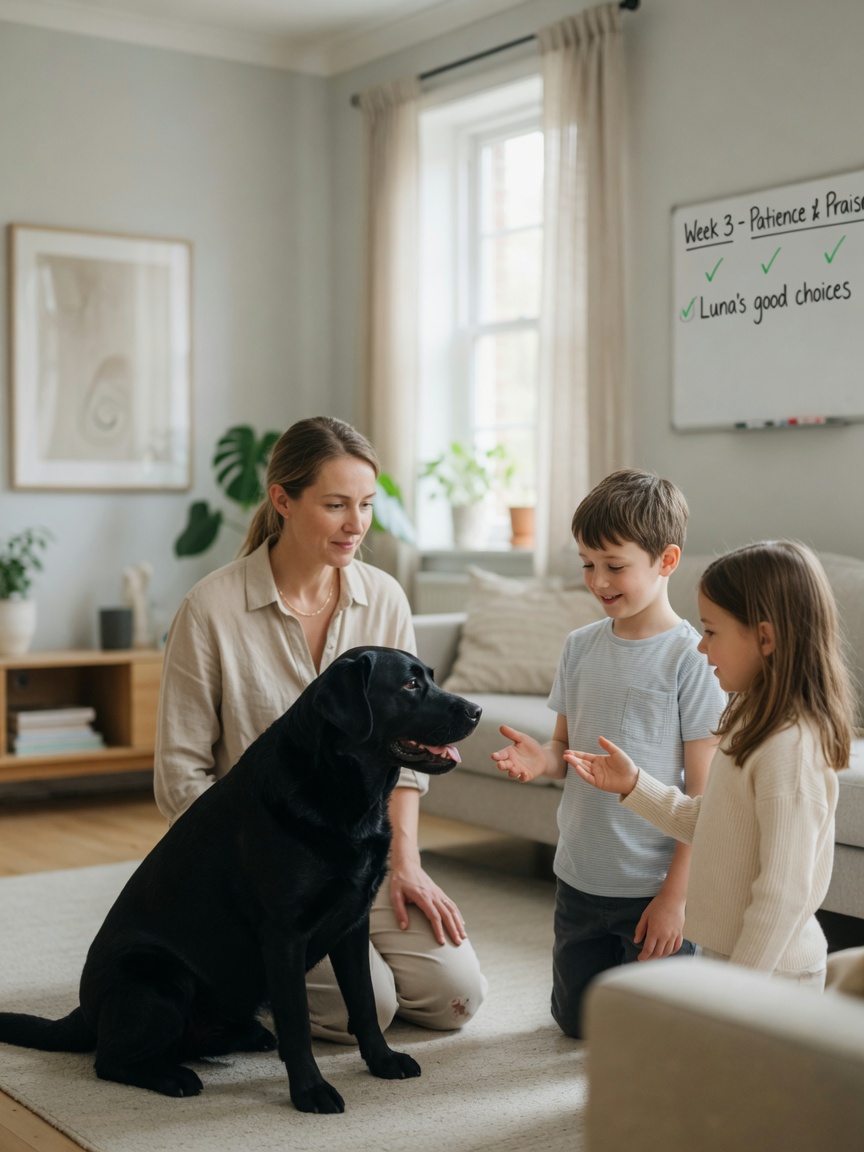
Introduce your dog to children in calm, controlled settings. Begin with one child and gradually increase the number of children present. Watch for signs of stress: yawning, lip licking, stiff posture, or turning away. If your dog shows discomfort, pause the interaction and try again later.
Practice positive associations by having children offer treats (with your guidance) and gentle praise. This teaches your dog that children's presence predicts good things.
Recognise Warning Signs and React Appropriately
Understanding canine body language is crucial. Growling, baring teeth, stiff tail, raised hackles, or snapping are serious warning signs that your dog is uncomfortable. Never punish these signals; instead, calmly separate your dog and children, then consult a professional behaviourist.
Key Takeaways
Training your dog to interact safely with children protects both your pet and your family. Invest time in teaching commands, respecting boundaries, and supervised practice. Remember that every dog is unique—what works for one may not work for another. Stay patient, remain consistent, and never hesitate to seek professional guidance from certified behaviourists or trainers. With these foundations in place, your dog and children can enjoy a wonderful, safe relationship built on mutual respect and understanding.