
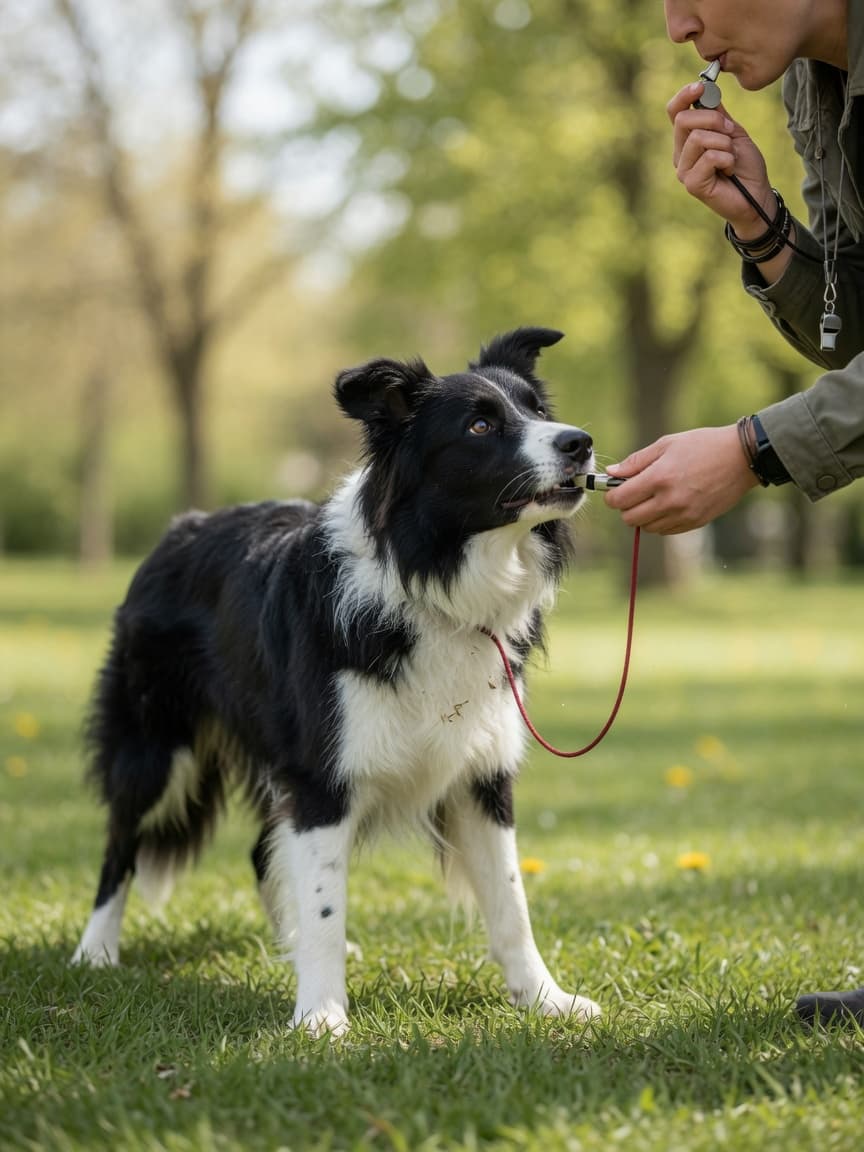
Dog whistles have been used by trainers, handlers, and pet owners for decades, and there's good reason why. Unlike verbal commands that can be affected by ambient noise, distance, or your emotional state, a dog whistle produces a consistent, high-frequency sound that canines can hear clearly from considerable distances. Whether you're working with a gundog, training a recall command, or simply want a reliable way to communicate with your pet in noisy environments, learning to train your dog to respond to a whistle is a valuable skill that strengthens your relationship and enhances safety.
Understanding How Dog Whistles Work
Dog whistles emit ultrasonic sounds typically in the range of 20,000 to 65,000 Hz—well above the human hearing threshold of around 20,000 Hz. Dogs can hear these frequencies clearly, making the whistle an ideal training tool. Unlike shouting, which can convey frustration or emotion, a whistle remains neutral and consistent, helping dogs learn faster and respond more reliably. The key advantage is that your dog learns to associate the whistle sound itself with a reward or desired action, rather than your tone of voice.
Preparing for Whistle Training
Before you begin, gather your equipment and set realistic expectations:
- Choose a quality dog whistle—a standard pea whistle or silent whistle both work well
- Have high-value rewards ready (small treats, favourite toy, or enthusiastic praise)
- Select a quiet, distraction-free training environment initially
- Keep training sessions short (5-10 minutes) to maintain your dog's focus
- Ensure your dog is in a positive, receptive mood before starting
Consistency is crucial. Use the same whistle pattern every time you're training the same command, and ensure everyone in your household uses the whistle identically.
Step-by-Step Whistle Training Process

Training your dog to respond to a whistle follows a structured approach:
- Create the Association: Blow the whistle once, then immediately reward your dog with a treat or praise. Repeat this 5-10 times in the first session. Your dog learns that the whistle predicts something good is coming.
- Introduce a Command: Once your dog looks alert at the whistle sound, begin pairing it with an existing command. For example, blow the whistle, say "sit," and reward when your dog complies.
- Fade the Verbal Cue: Gradually reduce the verbal command. Blow the whistle, wait a moment, then only reward if your dog sits without the verbal cue.
- Increase Distance: Practice the command at increasing distances, starting indoors and progressing outdoors in low-distraction environments.
- Build Reliability: Once your dog responds consistently at distance, introduce mild distractions and vary your training locations.
Common Challenges and Solutions
Most dogs learn whistle training readily, but you may encounter obstacles:
- Delayed Response: If your dog doesn't respond immediately, go back to closer distances and higher-value rewards. Never call your dog repeatedly with the whistle—one blow per command only.
- Confusion with Other Sounds: Ensure your whistle pattern is distinct. Use one long blow for recall, two short bursts for a different command, for example.
- Noise Sensitivity: Some dogs are initially startled by whistle sounds. Start with very gentle blows at a distance, gradually building confidence.
Maintaining Long-Term Success
Whistle training isn't a one-time effort. Continue reinforcing your dog's responses occasionally throughout their life, especially for critical commands like recall. Use variable reward schedules—sometimes offer treats, sometimes praise—to maintain motivation. Never use the whistle to call your dog to something unpleasant like a bath or nail trimming, as this can erode their trust in the signal.
Key Takeaways
Dog whistle training is a practical, science-backed method that enhances communication with your pet whilst building a stronger bond. With patience, consistency, and positive reinforcement, most dogs learn whistle commands within 2-3 weeks of regular practice. The investment in this training pays dividends in off-lead safety, distance communication, and the joy of having a dog that responds reliably to your commands in any environment.