
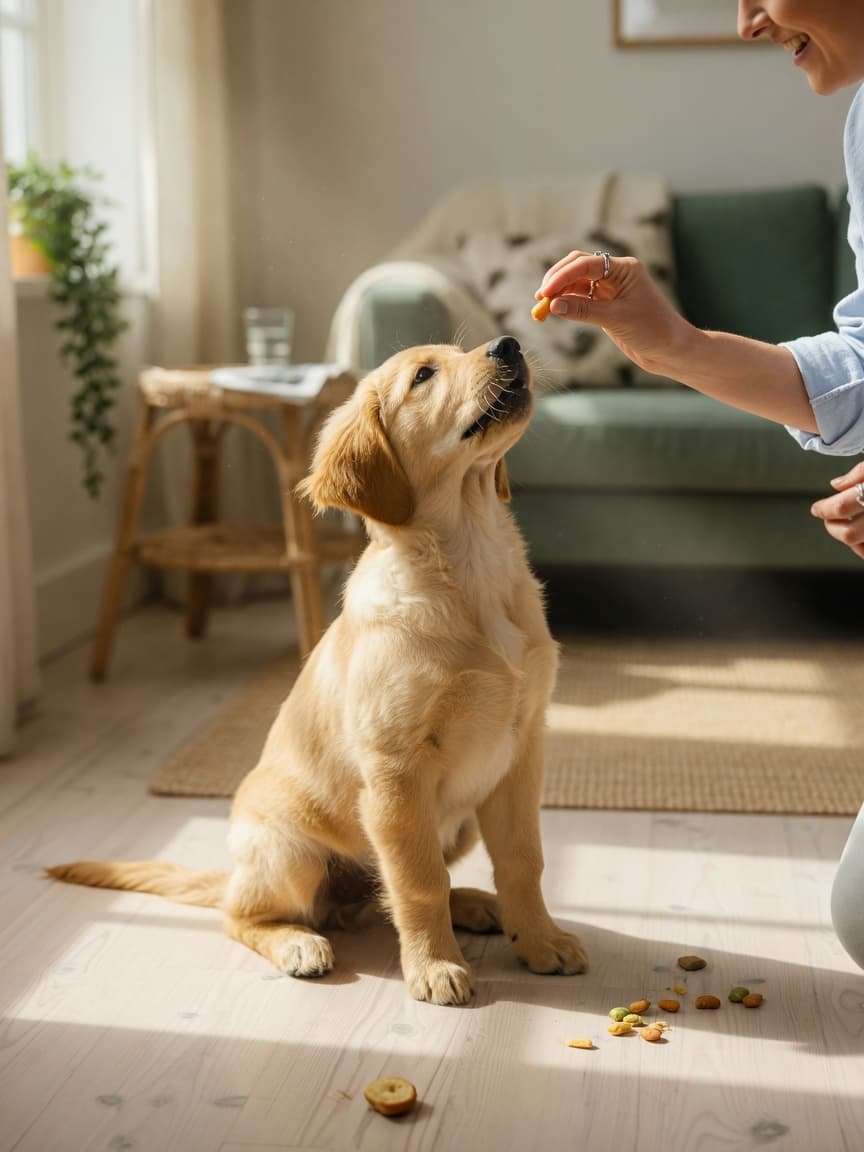
Training your dog at home doesn't require expensive classes or professional trainers—though these can certainly help. With patience, consistency, and the right approach, you can teach your furry friend essential commands and good behaviour right in your own living room. Whether you have a curious puppy or an adult dog who needs a refresher course, these eight vet-approved tips will set you both up for success.
1. Start with Clear, Realistic Goals
Before you begin training, identify what you want to teach. Are you focusing on basic obedience like "sit" and "stay," or addressing specific behavioural issues such as jumping or excessive barking? Setting achievable, measurable goals helps you track progress and keeps motivation high for both you and your dog. Start with one command at a time rather than overwhelming your pet with multiple lessons simultaneously.
2. Choose High-Value Rewards
Positive reinforcement is the cornerstone of effective dog training. Your dog needs to understand that following your instructions leads to something wonderful. This might be:
- Small, soft training treats that can be consumed quickly
- Their favourite toy or game
- Enthusiastic praise and physical affection
- A combination of rewards to maintain interest
Experiment to discover what truly motivates your individual dog—some are food-driven whilst others respond better to play or attention.
3. Establish a Consistent Training Schedule
Dogs thrive on routine. Schedule short training sessions of 5-10 minutes, two to three times daily. This duration is ideal because dogs have limited attention spans, and short, frequent sessions are more effective than lengthy ones. Consistency also means everyone in your household should use the same commands and reward system, preventing confusion.
4. Master the Timing of Rewards
Timing is everything in dog training. Reward your dog within one to two seconds of the desired behaviour—any longer and your dog may not connect the treat with the action. For example, if teaching "sit," reward the moment his bottom touches the ground, not after he's stood up again.
5. Use Clear, Simple Commands
Keep verbal cues short and distinct. "Sit" works better than "would you mind sitting down, please?" Use the same word every time, spoken in a calm, confident tone. Combine verbal commands with hand signals, which many dogs find easier to understand and follow.
6. Manage Your Dog's Environment
Set your dog up for success by training in a quiet, distraction-free space initially. Once your dog masters a command at home, gradually introduce mild distractions—like training in different rooms or the garden. This step-by-step approach prevents frustration and builds confidence. Keep training sessions fun and end on a positive note, even if it's just repeating a command your dog already knows well.
7. Address Unwanted Behaviours Proactively
Rather than punishing bad behaviour, redirect it. If your dog jumps on visitors, teach "sit" instead. When they perform the desired behaviour, they receive attention and rewards—making the alternative to jumping more rewarding than the jumping itself. This approach is more humane and considerably more effective than punishment-based methods.
8. Practice Patience and Celebrate Small Wins
Progress isn't always linear. Some dogs learn quickly; others need more time. Celebrate every small achievement—whether it's eye contact, a single step towards you, or a partial sit. Your enthusiasm and positivity are contagious and will motivate your dog to keep trying.
Key Takeaways
Home dog training is an achievable goal that strengthens your bond whilst building good behaviour. Remember these essentials: keep sessions short and frequent, use high-value rewards, maintain consistency across all family members, and focus on positive reinforcement rather than punishment. If you encounter persistent behavioural issues or your dog isn't progressing, consult your veterinarian or a certified professional trainer. With dedication and the right mindset, you'll be amazed at what your dog can learn—and you'll enjoy quality time together in the process.
```