
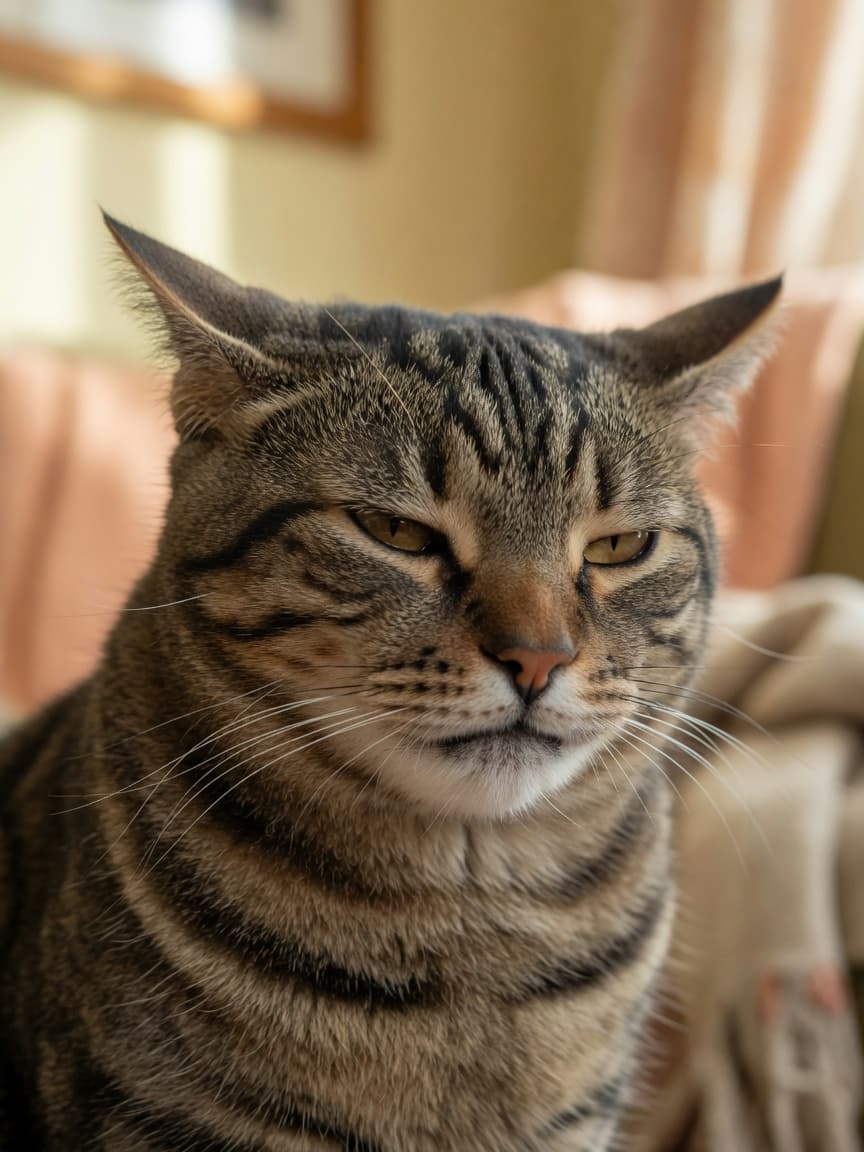
Why Pets Hide Pain and Why It Matters
Animals are instinctively inclined to mask signs of pain and vulnerability. In the wild, showing weakness can make an animal a target, so evolutionary pressure has shaped most species to conceal discomfort as effectively as possible. This instinct does not disappear in domesticated pets, which means that by the time a cat or dog is showing obvious signs of pain, they have often been suffering for some time.
For pet owners and veterinary professionals alike, this creates a genuine challenge. How do you accurately assess pain in a patient who cannot tell you where it hurts and who is actively motivated to hide the fact that it hurts at all? This is where validated pain assessment tools — including the grimace scales — have made a significant difference in how animal pain is recognised and managed.
What Are Grimace Scales?
Grimace scales are observational pain assessment tools that evaluate subtle changes in facial expression to determine whether an animal is experiencing pain. The concept was first developed in rodent research, where it was noticed that mice and rats show consistent, measurable changes to their facial features when in pain — changes involving the eyes, ears, nose, and whiskers.
This research prompted scientists to investigate whether similar facial action units could be identified in other species. The result has been the development and validation of grimace scales for mice, rats, rabbits, horses, sheep, piglets, cats, and dogs. Each scale is species-specific and requires training to use accurately, but they represent some of the most objective pain assessment tools available for non-verbal patients.
The Feline Grimace Scale
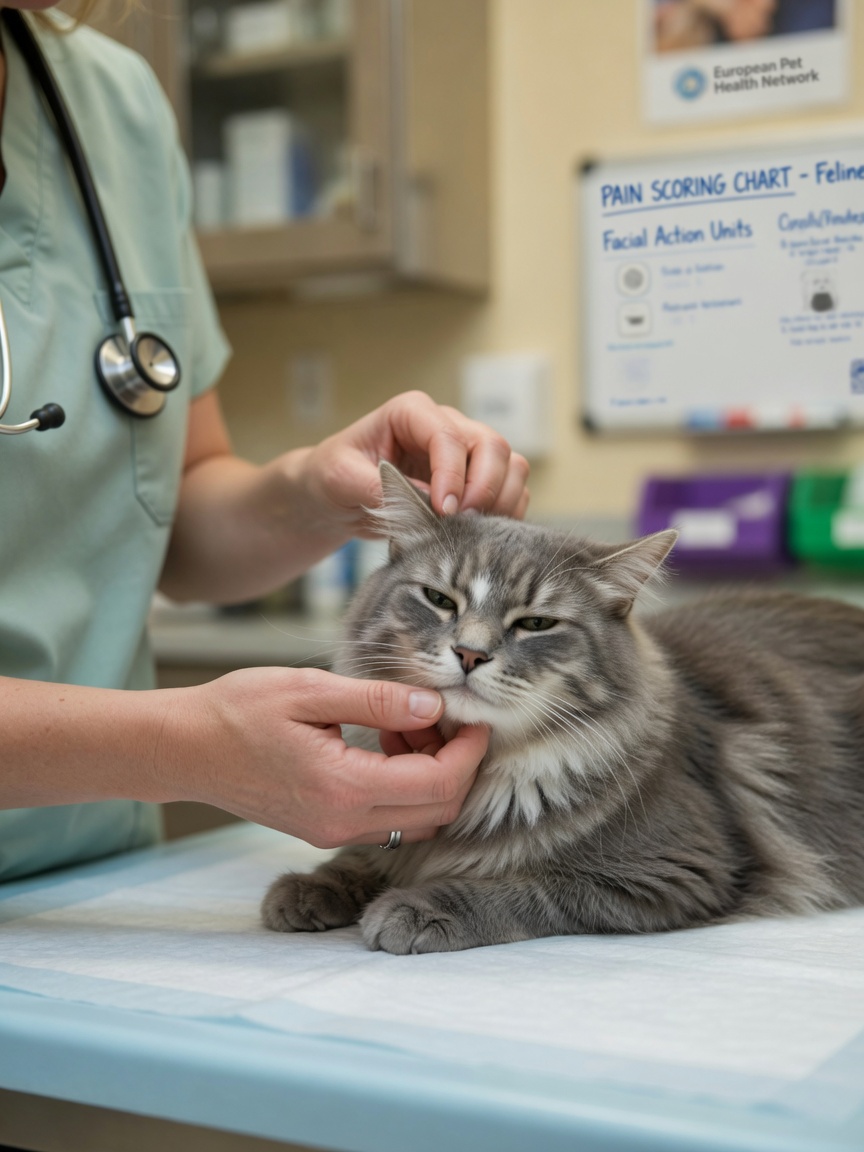
The Feline Grimace Scale (FGS) was developed by researchers at the Université de Montréal and published in 2019. It evaluates five action units, each scored on a scale of zero to two:
- Ear position — ears rotated forward and outward versus flattened or rotated back
- Orbital tightening — how much the eyes are partially closed or squinted
- Muzzle tension — whether the muzzle appears rounded and tense
- Whisker position — whiskers pulled back flat versus fanned forward
- Head position — whether the head is hanging below the level of the shoulders
A total score of four or more out of ten suggests moderate to severe pain and warrants intervention. The FGS has been validated in clinical settings and is increasingly used in veterinary hospitals as a quick, non-invasive way to assess post-operative pain in cats. A free, publicly available training tool with reference images is provided by the developers for owners and professionals alike.
The Dog Grimace Scale
A comparable tool has been developed for dogs, though it has been somewhat more challenging to validate due to the extraordinary diversity of canine facial anatomy across breeds. Dogs with flat faces, long muzzles, heavy jowls, or dense facial fur all present different challenges for consistent assessment.
Despite this, validated scales do exist. They typically evaluate similar parameters to the feline scale: orbital tightening, ear position, muzzle tension, lip tension, and body posture. Brachycephalic breeds — those with flat faces such as French Bulldogs, Pugs, and Bulldogs — are particularly difficult to assess using standard facial action units, and specialist tools or adjustments are needed for these dogs.
Composite pain scales that combine facial expression with behavioural observation are generally preferred for dogs in clinical practice. The Glasgow Composite Measure Pain Scale (GCMPS) is one of the most widely used validated tools in veterinary practice, assessing vocalisation, attention to wound, mobility, response to touch, demeanour, and posture alongside facial expression.
Behavioural Signs of Pain to Watch for at Home
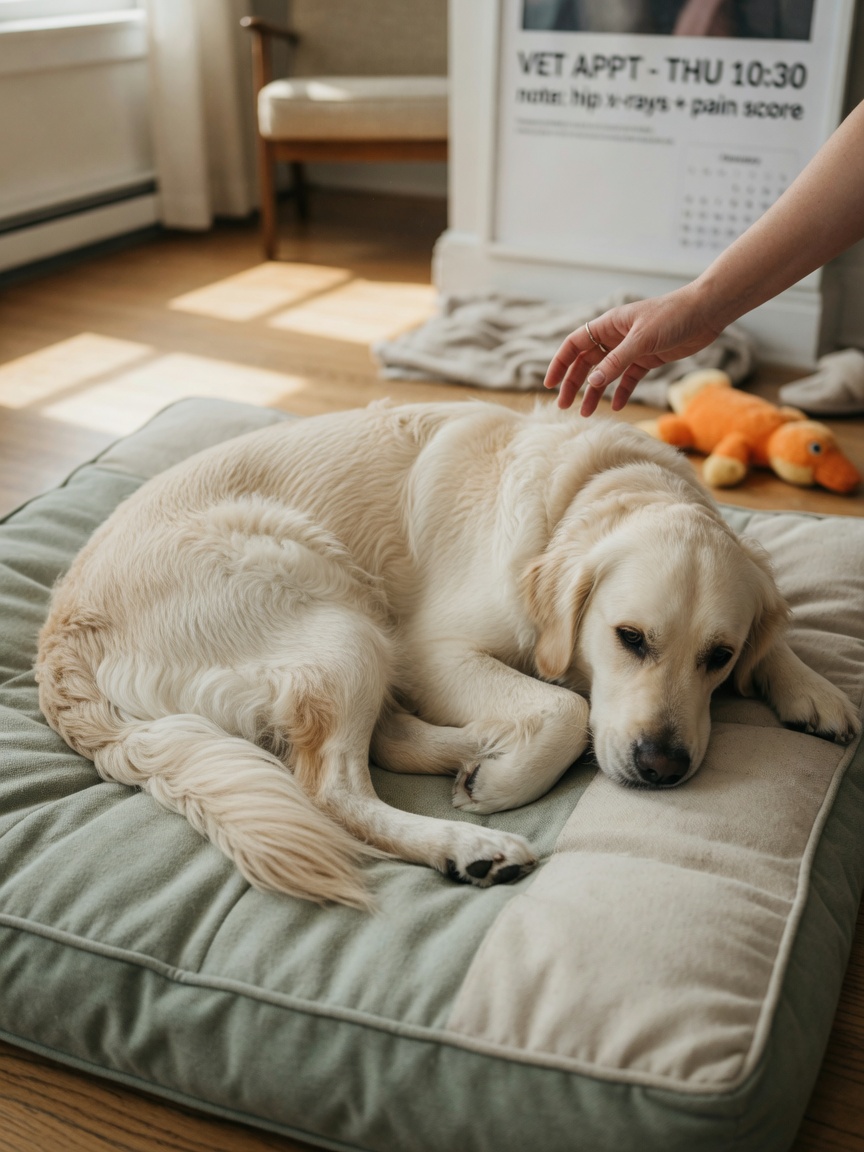
While grimace scales are primarily tools for trained professionals in clinical settings, understanding the principles behind them helps owners know what to look for at home. Changes in normal behaviour are often the first and most important indicator that something is wrong.
In dogs, signs that may indicate pain include:
- Reluctance to move, climb stairs, or jump onto furniture they would normally access easily
- Changes in gait — favouring a limb, shortened stride, or a stiff appearance when rising from rest
- Decreased appetite or interest in play
- Increased vocalisation, particularly when moving or being touched
- Guarding a body part — flinching or pulling away when a specific area is touched
- Changes in sleep patterns or resting positions
In cats, the signs are often even more subtle:
- Reduced grooming, or conversely, excessive grooming of a painful area
- Changes in litter box behaviour — missing the box or going less frequently
- Reduced jumping or changes in the height of surfaces they are willing to access
- Withdrawal from social interaction or hiding
- Changes in facial expression — a squinted, tight look around the eyes
- Flattened posture with reluctance to be touched
Why Accurate Pain Assessment Changes Outcomes
The development of validated pain assessment tools has had a measurable impact on how effectively animals receive pain relief in clinical settings. Before standardised tools were widely adopted, pain management in veterinary medicine was inconsistent — heavily reliant on individual clinician judgement and often conservative, in part because the signs were easy to miss.
When pain is identified accurately and early, it can be treated appropriately. Untreated pain has real consequences beyond suffering — it slows recovery, suppresses immune function, increases stress hormone levels, and in chronic cases can lead to central sensitisation, where the nervous system becomes increasingly reactive and pain becomes harder to treat over time.
As an owner, the most powerful thing you can do is know your pet's normal behaviour well enough to recognise when something has changed. You are with your pet every day; your observations are invaluable. If something feels different — even if you cannot quite articulate what — trust that instinct and speak to your vet. You are often the most important part of the pain assessment process.