
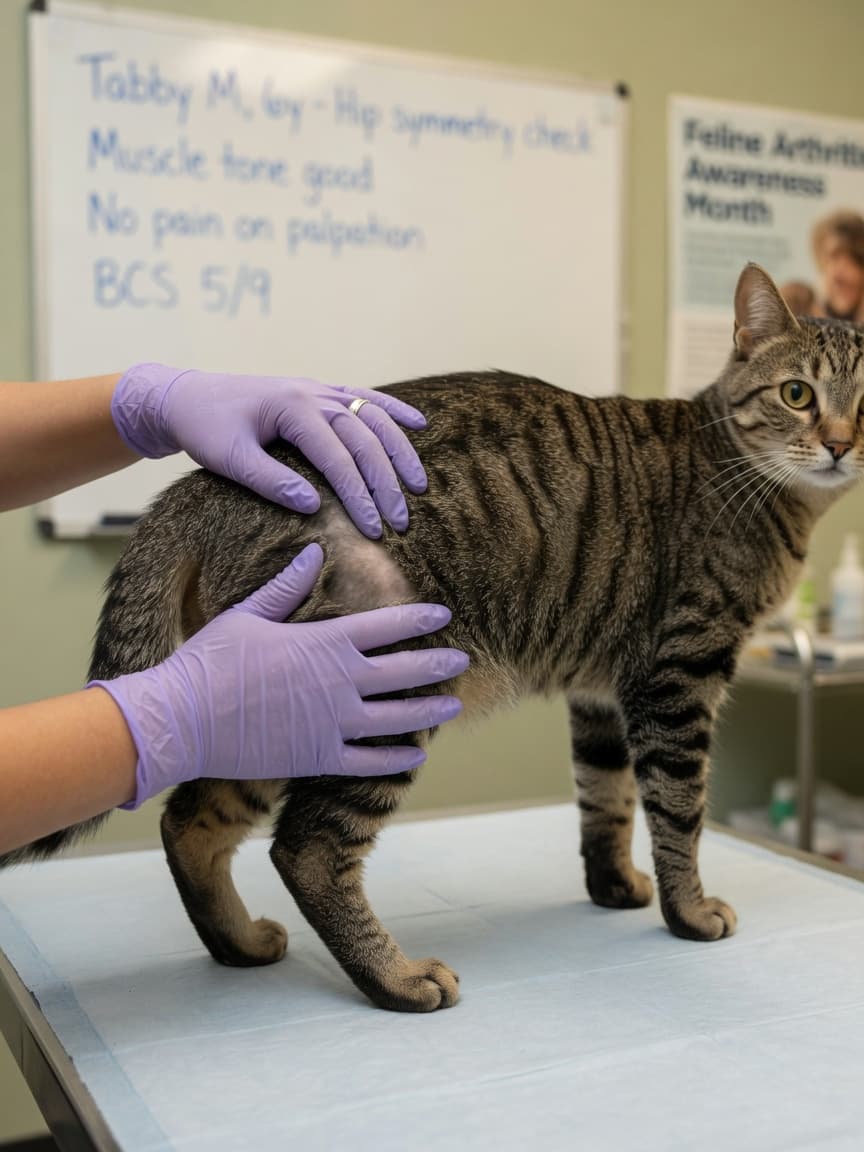
Your cat's rear quarters—including the hindquarters, rear legs, and anal area—are often overlooked during health checks, yet they reveal crucial information about your feline's overall wellbeing. From mobility issues to anal gland problems, this region deserves regular attention. Learning to spot the signs of a healthy posterior and recognising warning signals could help you catch health issues early and keep your cat comfortable.
Understanding Your Cat's Rear Quarter Anatomy
Before assessing health, it's helpful to understand what you're looking at. Your cat's rear quarters include the hind legs, hip joints, tail base, and anal area. The anal glands—small pouches on either side of the anus—are particularly important for health monitoring. These glands produce a scent marking fluid that's normally expressed during defecation.
Signs of Healthy Rear Quarters
- Mobility and movement: Your cat should move smoothly without limping, stiffness, or reluctance to jump onto furniture. The rear legs should be symmetrical in appearance with similar muscle tone.
- Clean anal area: The area should be clean and dry without discharge, matting, or discolouration.
- Normal posture: When standing, your cat's hind legs should bear weight evenly without favouring one side.
- Flexible tail: The tail should move freely and without sensitivity when gently touched.
- Good balance: Your cat should walk in a straight line and jump with precision and confidence.
Warning Signs to Monitor
Certain behaviours and physical changes indicate your cat needs veterinary attention:
- Excessive licking or biting at the rear end
- Scooting along the floor on their bottom
- Visible swelling, redness, or discharge around the anus
- Difficulty jumping, climbing stairs, or standing from a resting position
- Limping or favouring one hind leg
- Hair loss on the hindquarters or tail base
- Reluctance to have the rear area touched
- Constipation or difficulty defecating
- Loss of muscle tone in the hind legs
Common Rear Quarter Health Issues
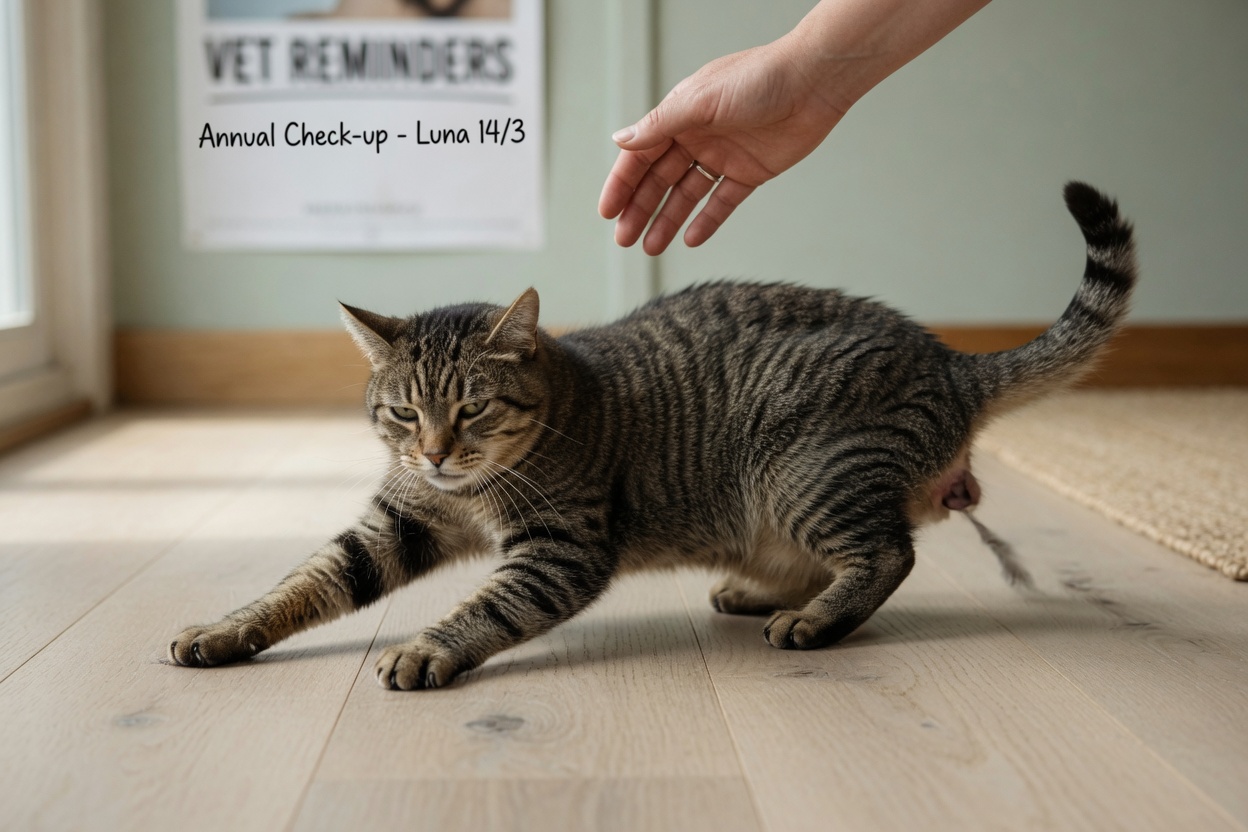
Anal gland problems: When anal glands become impacted, infected, or inflamed, cats often scoot or show discomfort. This is one of the most common rear-end complaints.
Arthritis and joint issues: Older cats frequently develop osteoarthritis in the hip and knee joints, leading to decreased mobility and reluctance to jump.
Parasites and skin conditions: Fleas, mites, and allergies often manifest as itching, hair loss, and inflammation in the rear quarters.
Nerve or spinal problems: These can cause weakness, incontinence, or loss of control in the hind legs.
How to Perform a Home Health Check
- Observe your cat walking and jumping—note any abnormal movement or hesitation.
- Gently feel both hind legs for symmetrical muscle development and any swelling.
- Check the anal area for cleanliness and any visible abnormalities.
- Feel the tail from base to tip, checking for lumps, sensitivity, or breaks.
- Note any changes in litter box behaviour or posture during toileting.
When to Contact Your Vet
Schedule a veterinary appointment if you notice persistent limping, difficulty toileting, scooting lasting more than a few days, visible discharge or swelling, or any significant changes in mobility. Regular check-ups—particularly for cats over seven years old—help identify age-related issues early.
Key Takeaways
A healthy cat's rear quarters should support pain-free movement, maintain proper muscle tone, and show no signs of discharge or irritation. By performing regular visual and tactile checks, you'll become familiar with your cat's normal appearance and quickly spot changes that warrant veterinary evaluation. Remember that early intervention often prevents minor issues from becoming serious problems, ensuring your feline friend remains active and comfortable throughout their life.