
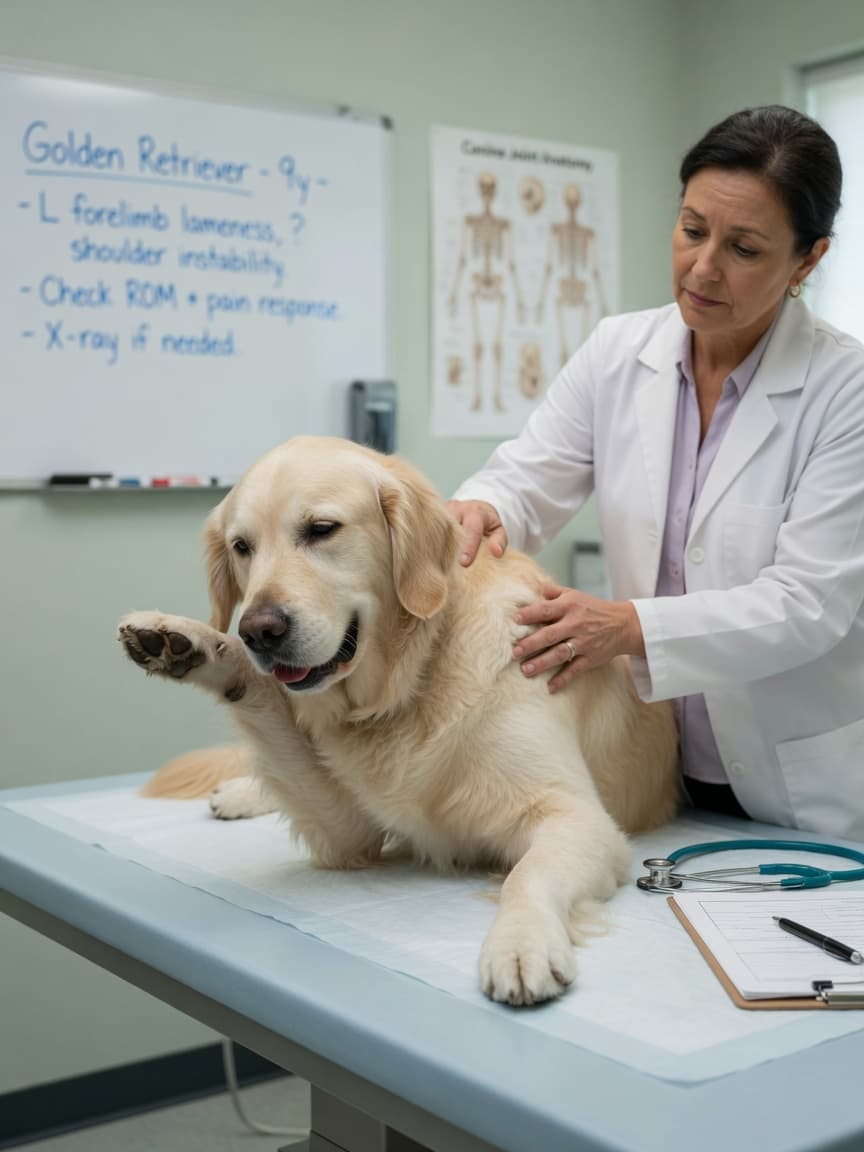
Dogs cannot tell us when they're hurting, which is why recognising the subtle signs of pain is one of the most important responsibilities of pet ownership. Pain in dogs often manifests differently than in humans, and many dogs naturally mask their discomfort as an evolutionary survival mechanism. As a veterinary nutritionist, I've seen countless cases where owners missed early warning signs, leading to more serious health complications. Learning to spot these signals could mean the difference between a minor intervention and a major medical crisis.
Physical Signs That Your Dog May Be in Pain
The most obvious indicators often involve changes in your dog's posture and movement patterns. Look for:
- Limping or reluctance to put weight on one or more legs
- Stiffness, particularly when getting up from rest or climbing stairs
- Hunched or tense body posture
- Swelling, heat, or discolouration around joints or injury sites
- Excessive licking, chewing, or biting at a specific area
- Trembling or shaking, especially in the hindquarters
- Difficulty lying down or repeatedly changing positions
These physical cues are often your first indication that something needs veterinary attention.
Behavioural Changes to Watch For

Pain frequently triggers behavioural shifts that many owners overlook. Your normally sociable dog might become withdrawn, avoiding interaction with family members or other pets. Conversely, some dogs become unusually irritable or defensive when touched in painful areas. Other behavioural warning signs include:
- Reduced interest in activities they normally enjoy
- Reluctance to jump on furniture or into vehicles
- Changes in sleep patterns or excessive rest
- Loss of appetite or reduced food intake
- Whining, whimpering, or unusual vocalisation
- Panting or rapid breathing at rest
- House-soiling accidents despite being housetrained
These behavioural changes often occur before more obvious physical symptoms appear.
Common Causes of Pain in Dogs
Understanding what might be causing your dog's discomfort helps with early detection and prevention. The most frequent culprits include:
- Arthritis and joint disease: Particularly common in older dogs and certain large breeds
- Injuries: From accidents, falls, or overexertion during play
- Ear and dental infections: Often accompanied by other signs like discharge or odour
- Urinary or digestive issues: Can cause abdominal discomfort
- Cancer: Pain may develop gradually as tumours grow
When to Seek Veterinary Help
Some situations warrant immediate veterinary attention. Contact your vet urgently if your dog shows signs of severe pain, cannot bear weight on a limb, has an obvious injury, or if pain-related symptoms persist for more than 24 hours. For less acute issues, schedule a regular appointment within a few days.
Effective Pain Management Solutions

Once your vet has diagnosed the cause, several evidence-based treatment options are available:
- Medication: Non-steroidal anti-inflammatory drugs (NSAIDs) and other painkillers prescribed by your vet
- Physiotherapy: Tailored exercise programmes to improve mobility and reduce pain
- Weight management: Maintaining a healthy weight reduces stress on joints
- Dietary adjustments: Omega-3 fatty acids and joint-supporting supplements can help
- Environmental modifications: Orthopedic beds, ramps, and easy access to favourite spots
- Heat and cold therapy: Applied appropriately to affected areas
Key Takeaways
Early pain recognition is crucial for your dog's wellbeing. Trust your instincts—if something seems off, it probably is. Document any changes you've noticed and share them with your vet during appointments. Regular check-ups, maintaining a healthy weight, and appropriate exercise can prevent many painful conditions. Remember, your dog depends entirely on you to recognise when they're suffering and take action. When in doubt, always consult your veterinary practitioner.