
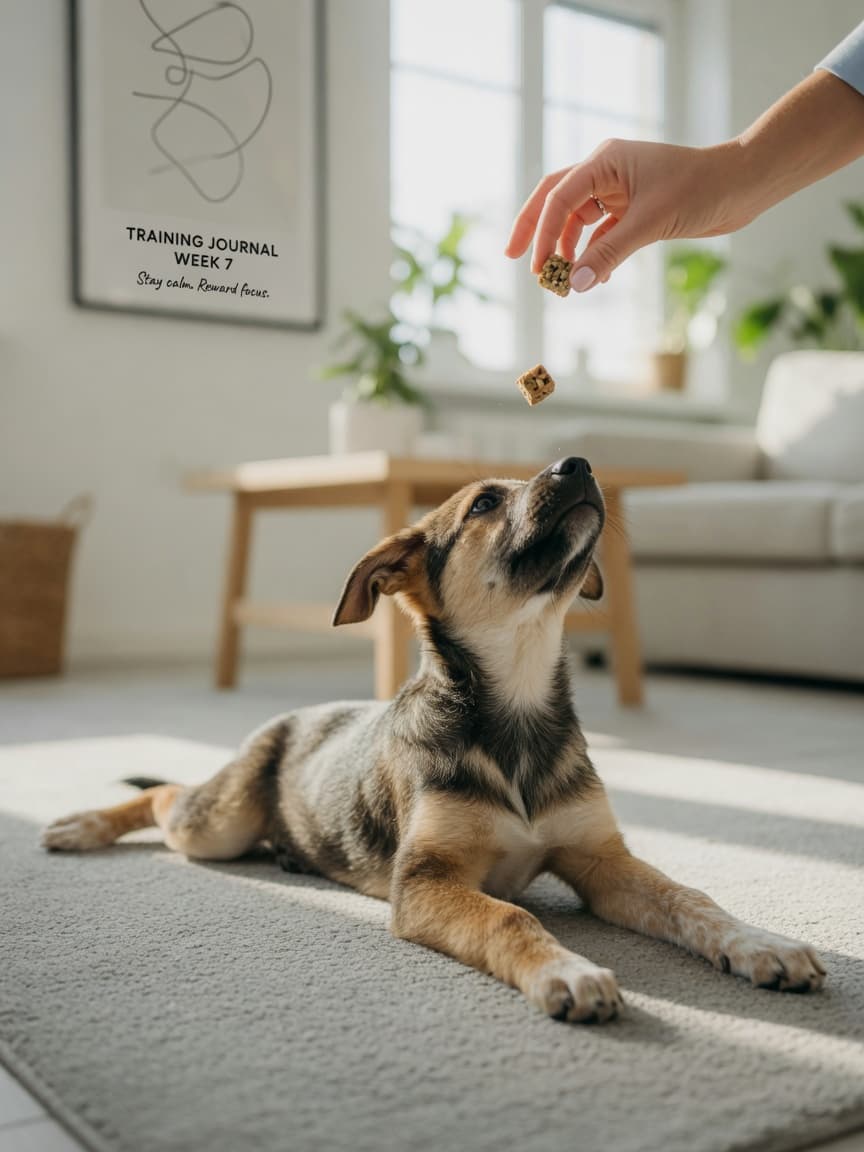
Teaching your dog to lie down is one of the most valuable commands in their behavioural repertoire. Not only does it promote calmness and provide mental enrichment, but it also gives you a reliable way to manage your pet in various situations—from busy social gatherings to veterinary appointments. Whether you're working with a spirited puppy or an adult dog, mastering this foundational skill strengthens your bond and creates a more harmonious household. In this guide, we'll explore evidence-based techniques that work for dogs of all ages and temperaments.
Why the "Lie Down" Command Matters
The down position is more than just a trick; it's a management tool that helps reduce anxiety and unwanted behaviours. Dogs in a lying position are naturally more relaxed, with lower cortisol levels than those standing or jumping. This command is particularly useful for:
- Preventing jumping on guests or strangers
- Creating a safe space during stressful situations
- Promoting impulse control and patience
- Allowing you to maintain focus during training sessions
- Supporting rehabilitation after injury or illness
Preparation: Setting Yourself Up for Success
Before beginning training, ensure you have the right environment and tools. Choose a quiet, distraction-free space where your dog feels comfortable. Have high-value training treats ready—these should be small, soft, and something your dog genuinely loves. Consistency matters far more than duration; five-minute training sessions several times daily yield better results than one lengthy session.
Start training when your dog is naturally calm and not overstimulated. Late afternoon or early evening often works well. Ensure your dog has had adequate exercise beforehand, as tired dogs learn more effectively than restless ones.
Step-by-Step Training Method
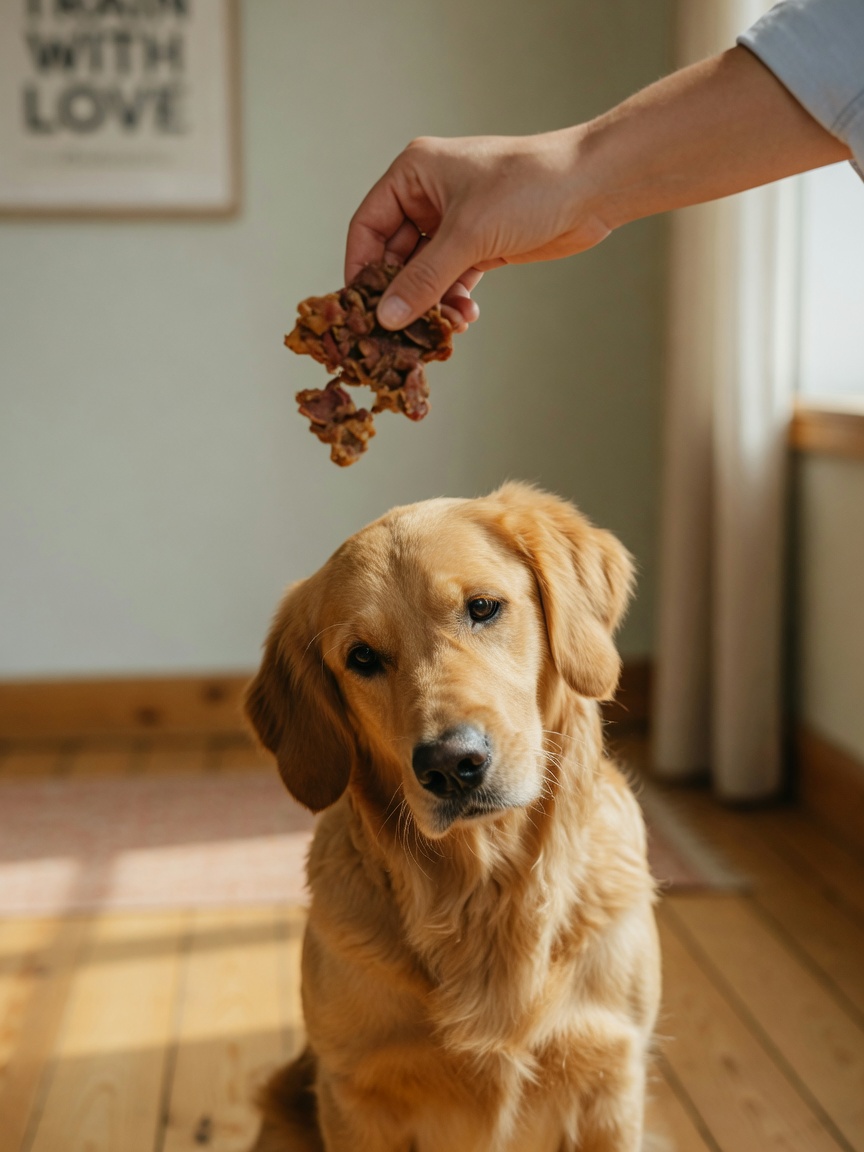
The most effective approach uses luring combined with positive reinforcement:
- Start with sit: Have your dog in a sitting position first. This creates a logical progression and helps them understand you're introducing something new.
- Lure downward: Hold a treat close to your dog's nose, then slowly move it downward and slightly backward towards their chest. Your dog's nose will naturally follow the treat, encouraging the front legs to lower.
- Complete the movement: Continue luring until their elbows touch the ground. The moment their whole body reaches the down position, immediately reward with praise, the treat, and gentle petting.
- Add the verbal cue: Once your dog reliably follows the lure, introduce the word "down" just before you begin luring. Say it clearly and consistently.
- Fade the lure: Gradually reduce how far you move the treat. Eventually, your hand signal alone will prompt the behaviour.
- Practice duration: Once down is reliable, reward your dog for staying down longer. Start with two to three seconds and gradually extend the time.
Common Challenges and Solutions
My dog won't lower their body: Some dogs need encouragement. Try sitting on the floor yourself and luring your dog between your legs. Many dogs find this more inviting and will naturally lower themselves to navigate the space.
My dog jumps back up immediately: This is normal. Simply ignore the behaviour, reset, and try again. Reward the moment they lie down, not when they stand. Patience is essential.
My dog seems confused or anxious: Break the training into smaller steps. Sometimes a dog needs to master lower-body awareness before achieving full down position. Never force your dog into position, as this creates negative associations.
Building on Success
Once your dog reliably lies down on command, gradually introduce training in different environments. Start in your garden, then progress to busier areas. Practice with mild distractions present so your dog learns the command is universal, not location-specific.
Combine "down" with other commands like "stay" to build a comprehensive behavioural toolkit. Always end training sessions on a positive note, with your dog succeeding and feeling encouraged.
Key Takeaways
Teaching your dog to lie down requires patience, consistency, and positive reinforcement. Use high-value treats, keep sessions short and frequent, and never resort to force or punishment. Start in calm environments and gradually introduce distractions. Remember that every dog learns at their own pace—celebrate small victories and maintain realistic expectations. With dedication and warmth, your dog will master this valuable command, resulting in a calmer, more manageable companion and a stronger bond between you both.
```