
If you've ever watched your dog sniff the ground during a walk and wondered what they're experiencing, you're not alone. Dogs possess an extraordinary olfactory system that far surpasses our human capabilities—some estimates suggest their sense of smell is between 10,000 and 100,000 times more sensitive than ours. But not all dogs are created equal when it comes to scent detection. Certain breeds have been specifically developed over centuries to excel at tracking, hunting, and detection work, making them nature's supreme sniffers. Understanding which breeds have the best sense of smell can help you appreciate your dog's abilities and choose the right companion for your lifestyle.
The Science Behind Canine Smell
Before we explore specific breeds, it's worth understanding what makes dogs such exceptional smellers. Dogs possess approximately 300 million olfactory receptors in their nasal tissue, compared to just 6 million in humans. They also have a specialised organ called the vomeronasal organ, which detects pheromones—chemical signals between animals. The area of a dog's brain dedicated to processing smell is roughly 40 times larger than the equivalent human area, proportionally speaking. This neurological advantage, combined with their physical anatomy, creates an almost superhuman ability to detect and analyse odours.
Breeds with Superior Scenting Abilities
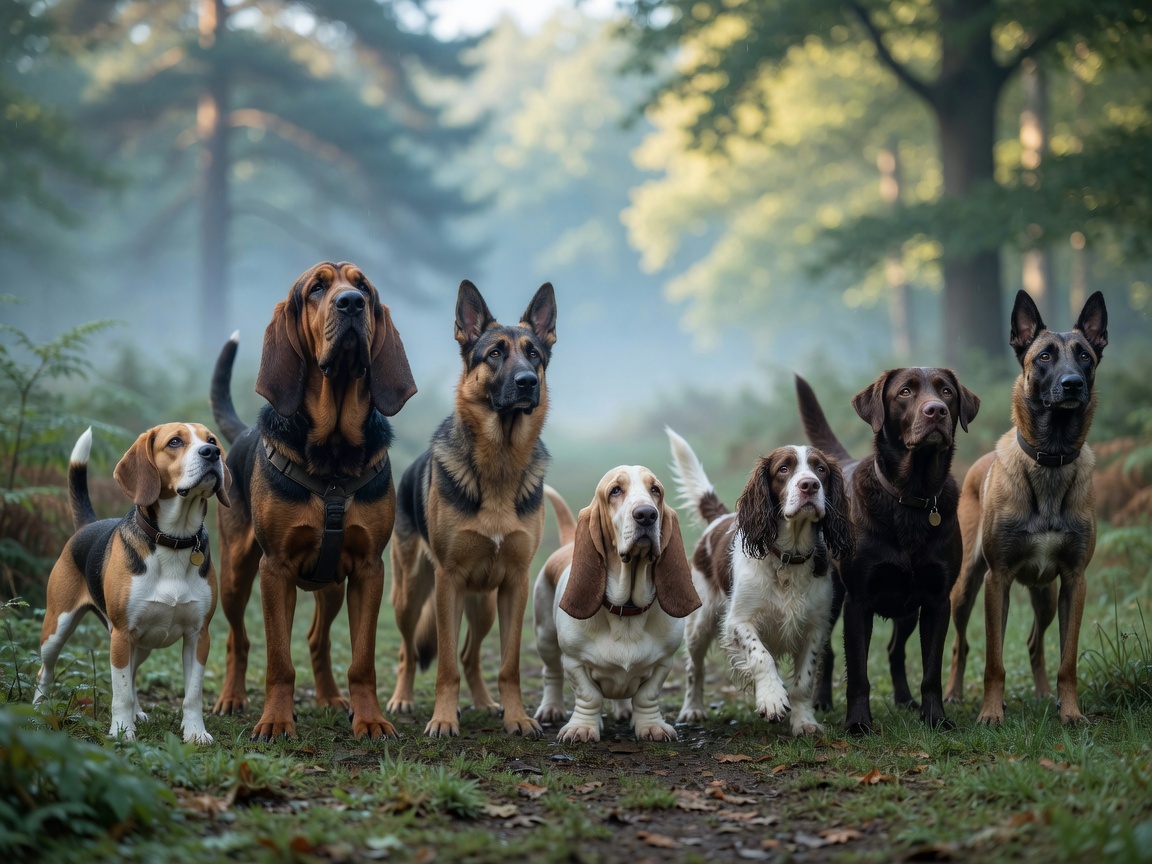
Several dog breeds stand out for their exceptional sense of smell. These breeds were originally developed to track game, locate people, or detect specific scents, and their abilities remain unmatched:
- Beagle – Perhaps the most famous scent hound, Beagles have approximately 220 million scent receptors. Originally bred to track rabbits and hares, they're now commonly used in airport security and detection work.
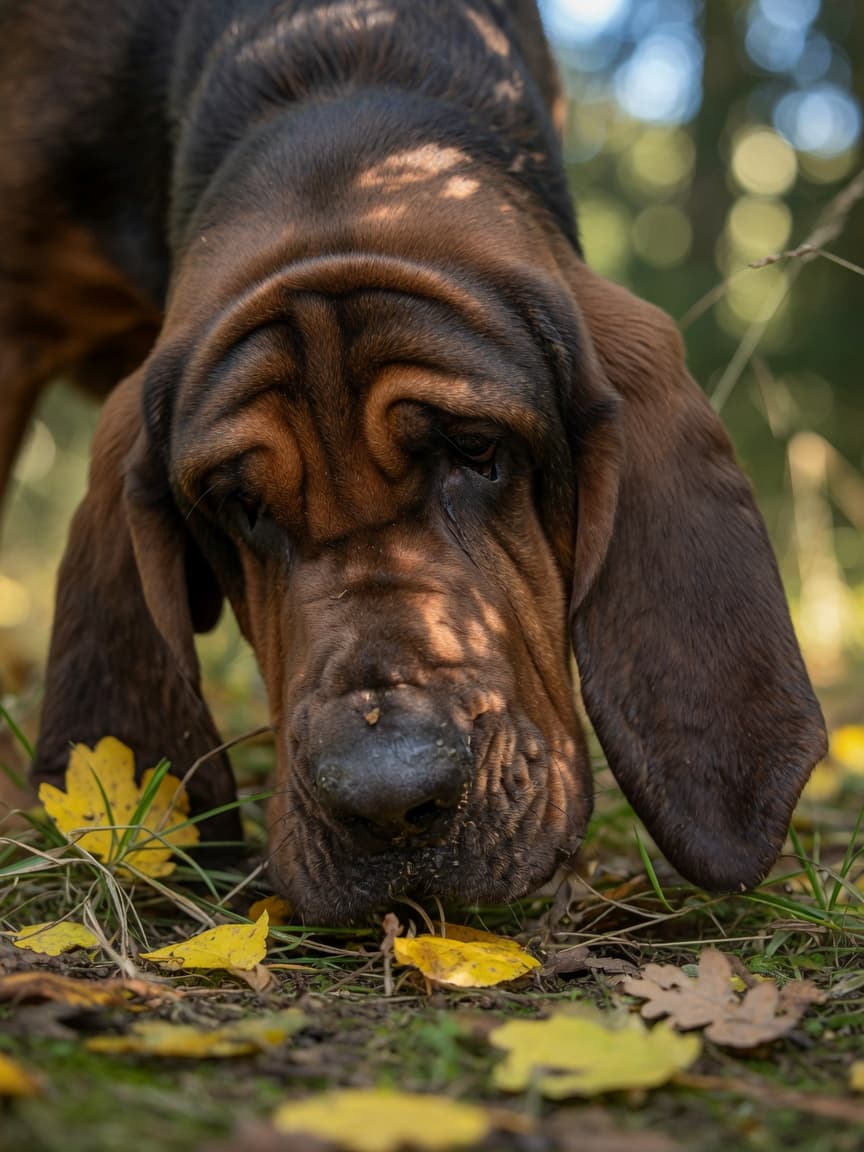
- Bloodhound – With an extraordinary 300 million scent receptors, Bloodhounds are legendary for their tracking ability. They've been used to locate missing persons for centuries and can follow a scent trail that's days old.
- German Shepherd – Highly versatile and intelligent, German Shepherds excel in police work, search and rescue, and detection roles. Their powerful nose makes them invaluable in law enforcement.
- Basset Hound – Despite their short legs and droopy appearance, Basset Hounds possess an impressive sense of smell with around 220 million receptors. Their long ears help sweep scents towards their nose.
- English Springer Spaniel – These energetic spaniels have exceptional scenting abilities and are frequently used in detection work, particularly for finding explosives and drugs.
- Labrador Retriever – Intelligent and eager to please, Labs are popular choices for detection and assistance work, with a keen sense of smell that makes them highly effective.
- Belgian Malinois – Similar to German Shepherds, Malinois are renowned for their scenting prowess and are increasingly used in military and police operations.
What Affects a Dog's Sense of Smell?
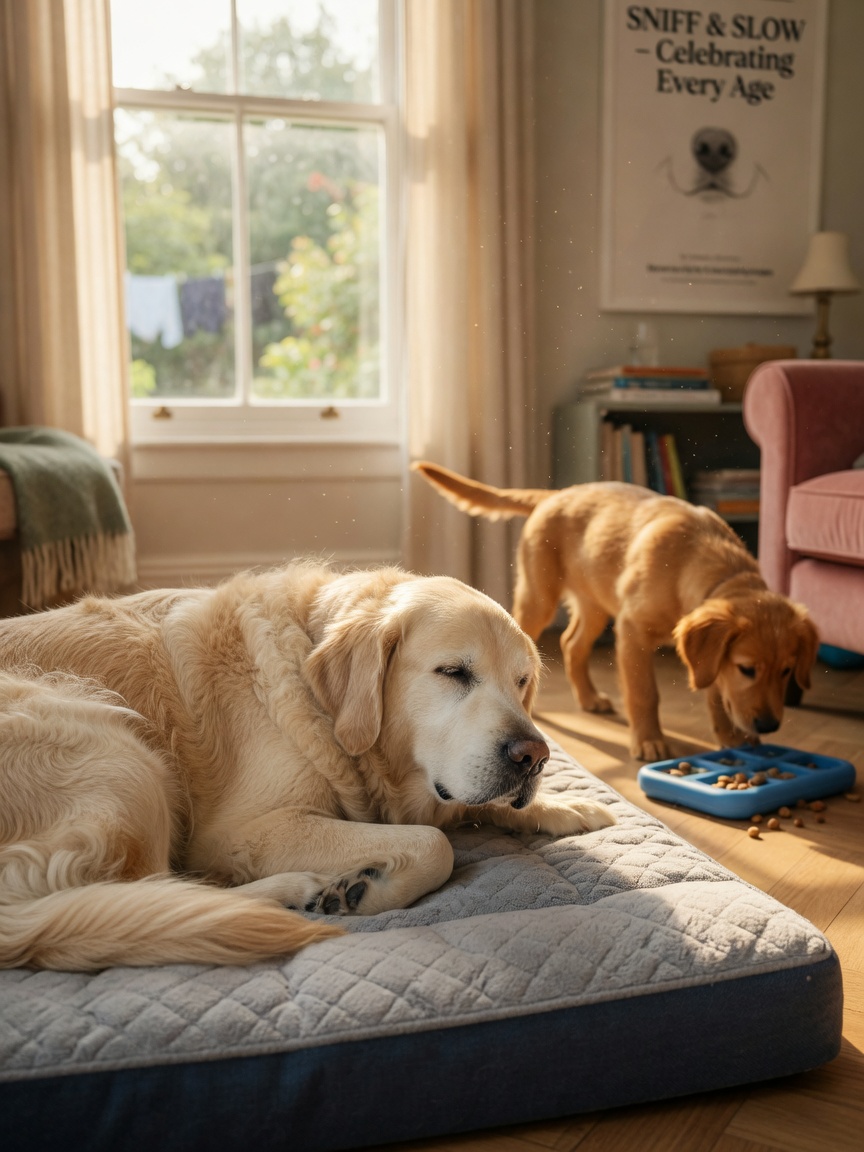
It's important to note that whilst breed predisposes certain dogs to superior olfactory abilities, several factors can influence how well your individual dog smells:
- Age – Puppies and senior dogs may have reduced olfactory sensitivity compared to dogs in their prime years
- Health – Respiratory infections, allergies, or nasal polyps can temporarily impair your dog's sense of smell
- Breed size – Larger dogs with longer muzzles generally have more surface area for scent receptors
- Training – Scent work training can enhance and sharpen your dog's natural abilities
- Environmental factors – Heat, humidity, and wind all affect how scents travel and how effectively dogs can detect them
Practical Applications for Your Dog
Understanding your dog's scenting abilities opens up wonderful opportunities for enrichment. Consider introducing nosework games at home, such as hiding treats around the garden or using puzzle toys that require scent detection. These activities provide mental stimulation and tap into your dog's natural instincts. You might also explore formal nosework classes or scent detection training, which can be rewarding for both you and your pet.
Key Takeaways
Whilst breeds like Bloodhounds and Beagles have evolved to be exceptional smellers, every dog has a remarkably sensitive nose compared to humans. Rather than fixating on breed alone, focus on nurturing your individual dog's abilities through training, enrichment, and regular health checks. If your dog's sense of smell seems diminished or they show signs of nasal congestion, consult your veterinary surgeon to rule out underlying health issues. By respecting and understanding your dog's olfactory superpowers, you'll deepen your connection with your canine companion and unlock new dimensions of play and learning.