
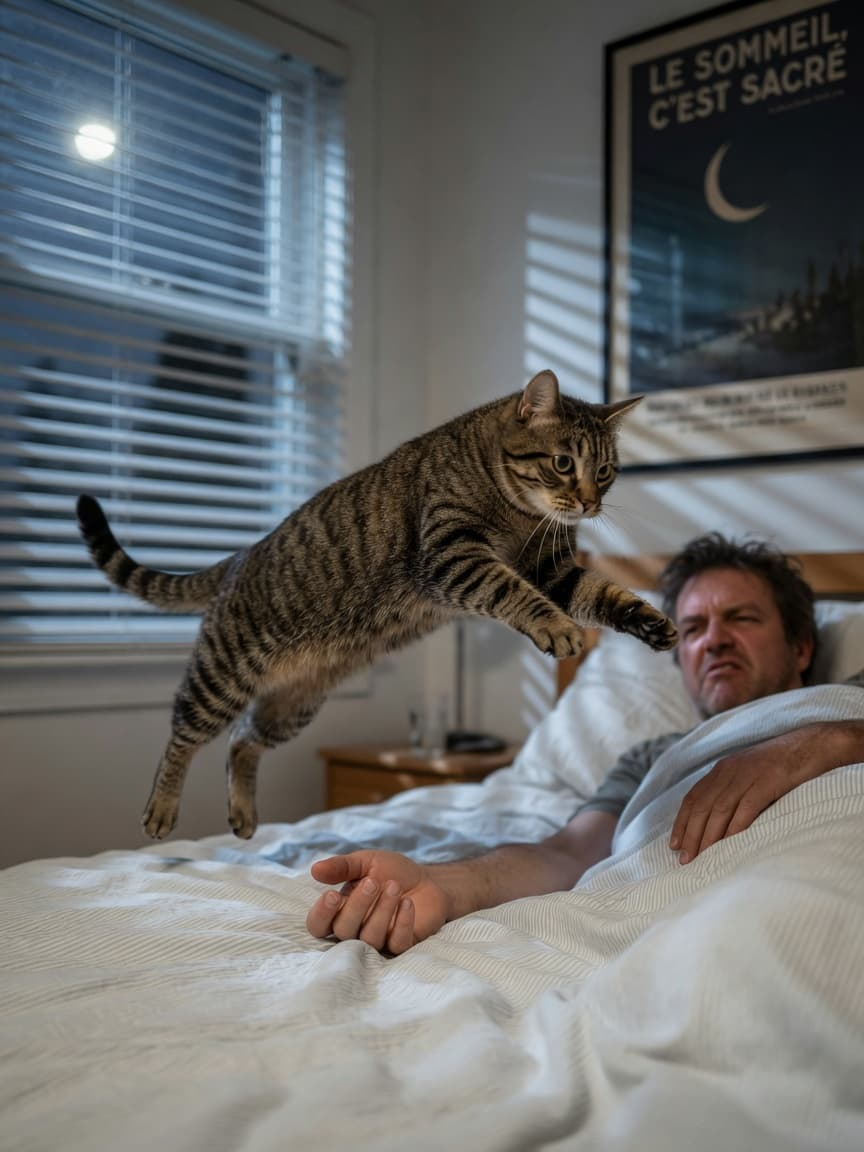
If your feline friend has turned your bedroom into an all-night playground, you're not alone. Many cat owners struggle with nocturnal pets that seem to have boundless energy after dark. The good news is that this behaviour is entirely manageable with the right approach. By understanding why cats are naturally active at night and implementing practical strategies, you can reclaim peaceful sleep whilst keeping your cat happy and healthy.
Understanding Your Cat's Nocturnal Nature
Cats are crepuscular animals, meaning they're naturally most active during dawn and dusk rather than being strictly nocturnal. In the wild, this schedule helps them hunt when their prey is most active. Your domesticated cat still carries these instincts, which is why many cats experience energy surges during nighttime hours. However, excessive nighttime activity often signals that your cat's daytime routine needs adjustment.
Increase Daytime Activity and Enrichment
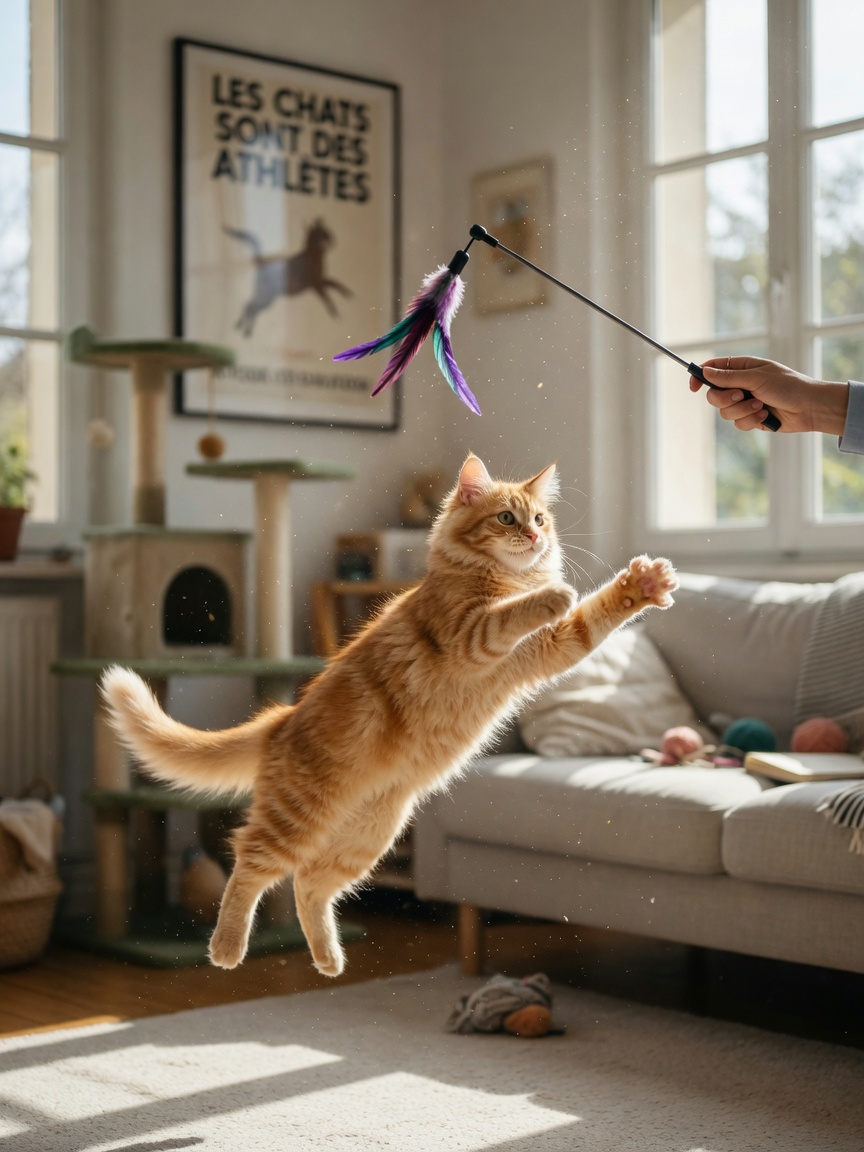
The most effective solution is redirecting your cat's energy during daylight hours. A tired cat during the day is far more likely to sleep through the night.
- Interactive play sessions: Engage your cat with wand toys, laser pointers, or feather chasers for 15-30 minutes, two to three times daily. Focus sessions in late afternoon to mimic their natural hunting times.
- Environmental enrichment: Install cat trees, climbing shelves, and window perches. Window access provides mental stimulation through bird watching and outdoor observation.
- Puzzle feeders: Use treat-dispensing toys and puzzle feeders to make meals mentally engaging rather than instantaneous.
- Rotate toys: Keep toys fresh by rotating them weekly, maintaining novelty and interest.
Adjust Feeding Times Strategically

A well-timed feeding schedule can significantly impact your cat's sleep patterns. Feed your cat a substantial meal in the late evening, ideally one to two hours before your bedtime. A full stomach naturally encourages rest, similar to how humans feel drowsy after eating. Additionally, avoid feeding your cat immediately upon waking in the morning, as this may reinforce early morning wake-up calls.
Create an Optimal Sleep Environment
Make your bedroom less appealing as a playground and your cat's own space more inviting:
- Set up a comfortable cat bed in a separate quiet area, away from your bedroom
- Use blackout curtains to minimise external stimulation during night hours
- Consider a white noise machine to mask household sounds
- Keep your bedroom door closed if your cat wakes you through persistent attention-seeking
- Provide a litter tray, water bowl, and scratching post in your cat's designated sleeping area
Address Underlying Health Issues
Before assuming behavioural causes, consult your veterinarian. Excessive nighttime activity may indicate hyperthyroidism, urinary tract infections, arthritis, or cognitive dysfunction—conditions more common in older cats. Your vet can rule out medical causes and recommend appropriate treatment if necessary.
Avoid Reinforcing Unwanted Behaviour
Never reward your cat for waking you with attention, treats, or play. Even negative attention can reinforce the behaviour. Instead, ignore nocturnal disruptions completely, remaining silent and still. Your cat will eventually learn that nighttime doesn't result in interaction.
Key Takeaways
Resolving nighttime disturbances requires patience and consistency. The most successful approach combines increased daytime enrichment, strategic feeding schedules, an optimised sleep environment, and medical assessment. Most cats respond within two to four weeks of consistent implementation. Remember that your cat isn't being deliberately difficult—they're simply following their natural instincts. By working with their biology rather than against it, you'll create a harmonious sleeping arrangement that benefits both of you.
```