
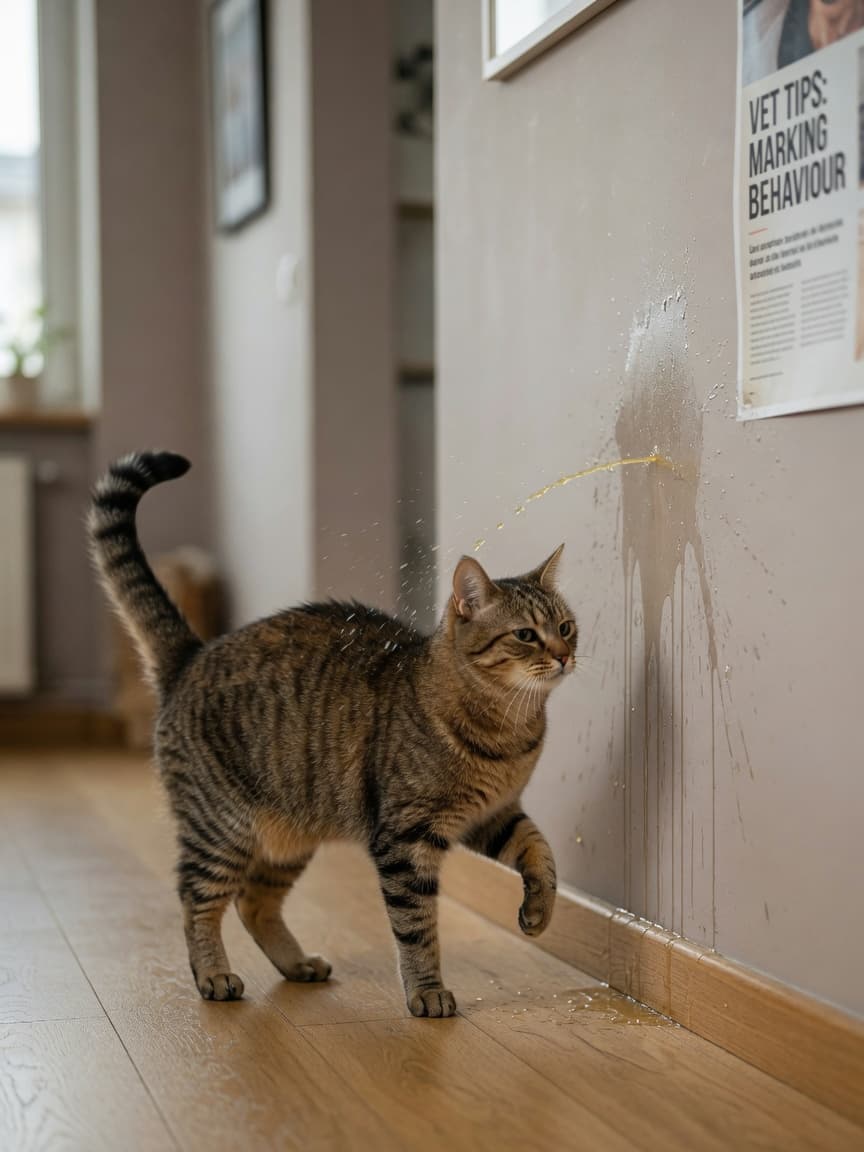
Cat spraying is one of the most frustrating behavioural challenges pet owners face, yet it's entirely treatable with the right approach. Unlike general urination, spraying is a territorial marking behaviour where cats deliberately spray urine on vertical surfaces, often leaving your home with an unmistakable odour. Understanding why your cat is spraying—and how to address it—is the key to restoring peace and harmony in your household.
Understanding Why Cats Spray
Before tackling solutions, it's essential to understand the root causes of spraying behaviour. Male cats are more likely to spray than females, particularly if they're not neutered or spayed. However, fixed cats can still spray for various reasons:
- Territory marking: Cats spray to establish their domain, especially in multi-cat households or when they perceive threats from outdoor cats
- Stress and anxiety: Changes in environment, new pets, or household disruptions can trigger spraying
- Mating urges: Unspayed or unneutered cats may spray to signal readiness to breed
- Medical issues: Urinary tract infections or other health problems can cause inappropriate marking
Rule Out Medical Problems First
Before implementing behavioural changes, schedule a veterinary appointment to rule out medical causes. Your vet can test for urinary tract infections, diabetes, or kidney disease—all of which may present as spraying. Once medical issues are excluded, you can confidently pursue behavioural interventions.
Spaying and Neutering
If your cat isn't already spayed or neutered, this is the most effective first step. Around 90% of male cats stop spraying after neutering, and the behaviour is less common in spayed females. Beyond reducing spraying, neutering and spaying provide numerous health benefits and help control the cat population.
Environmental Management and Stress Reduction

Create a calm, enriched environment that minimises stress and territorial disputes:
- Provide multiple resources: Use the formula of one litter box per cat, plus one extra. Place boxes in different locations away from food and water bowls
- Vertical territory: Install cat trees, shelves, and climbing posts to give each cat their own space
- Window access: Allow supervised outdoor viewing to reduce frustration from seeing outdoor cats
- Pheromone diffusers: Products mimicking natural feline facial pheromones can reduce anxiety and territorial marking
- Consistent routine: Maintain regular feeding, play, and interaction schedules to provide security
Addressing Specific Triggers
Identify what's triggering the spraying in your specific situation. Is a new pet causing territorial disputes? Has something changed in the household? Once you've identified the trigger, address it directly. For multi-cat tension, separate cats temporarily, reintroduce them gradually, and ensure each has their own resources. For outdoor stressors, use window blinds to limit visibility of passing cats.
Cleaning and Odour Control

Thoroughly clean sprayed areas with enzymatic cleaners specifically designed for pet urine. Standard cleaning products won't eliminate the pheromones that encourage repeat spraying. Once the scent is gone, your cat is less likely to remark the same spot. Always allow surfaces to dry completely before reintroducing access to those areas.
Key Takeaways
Stopping cat spraying requires a multi-faceted approach: prioritise veterinary checks, ensure your cat is neutered or spayed, manage environmental stress, and maintain excellent hygiene. Most importantly, be patient—behavioural changes don't happen overnight. With consistent effort and the right strategies, you can successfully eliminate this frustrating behaviour and enjoy a fresh-smelling home once again. If problems persist after implementing these steps, consult your vet about behavioural therapy or medication to help your cat feel calm and secure.