
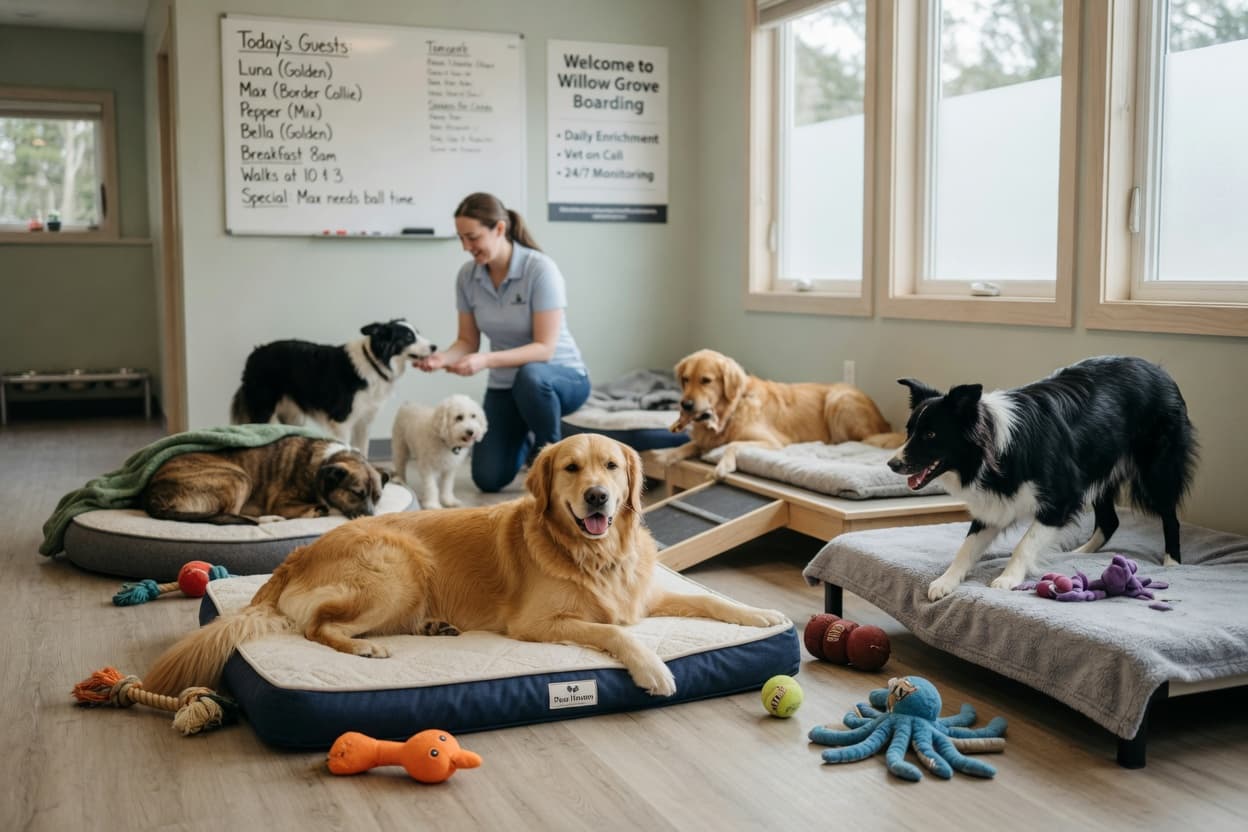
Starting a dog boarding business can be an incredibly rewarding venture for animal lovers who want to turn their passion into profit. Whether you're considering a home-based operation or a full-scale boarding facility, the demand for trustworthy pet care continues to grow as more owners travel and seek professional support. This comprehensive guide will walk you through the essential steps to launch your dog boarding business successfully in 2026, covering everything from legal requirements to best practices for keeping your guests happy and healthy.
Understanding the Dog Boarding Market
Before investing time and resources, research your local market thoroughly. Pet owners are increasingly willing to invest in quality boarding services, with the industry showing consistent growth across the UK and Europe. Identify your target clientele—are you focusing on luxury boarding experiences, budget-friendly options, or specialising in behaviour management for anxious dogs?
Consider these market factors:
- Local competition and pricing structures
- Demand for specialised services (anxiety management, senior dog care, medical needs)
- Seasonal fluctuations in bookings
- Average boarding fees in your region
Legal Requirements and Licensing
Operating a dog boarding business requires proper registration and compliance with regulations. In the UK, you'll need to obtain a licence from your local authority under the Animal Boarding Establishments Act 1963. This involves meeting specific welfare standards for housing, exercise, feeding, and health care.
Essential legal steps include:
- Register with Companies House if operating as a limited company
- Obtain necessary insurance (public liability and pet care liability)
- Apply for a boarding establishment licence from your local council
- Ensure GDPR compliance for customer data
- Set up proper tax and accounting systems
- Create clear terms and conditions for clients
Additionally, inspect your premises to ensure they meet animal welfare standards, including adequate space, temperature control, and secure facilities.
Setting Up Your Facilities
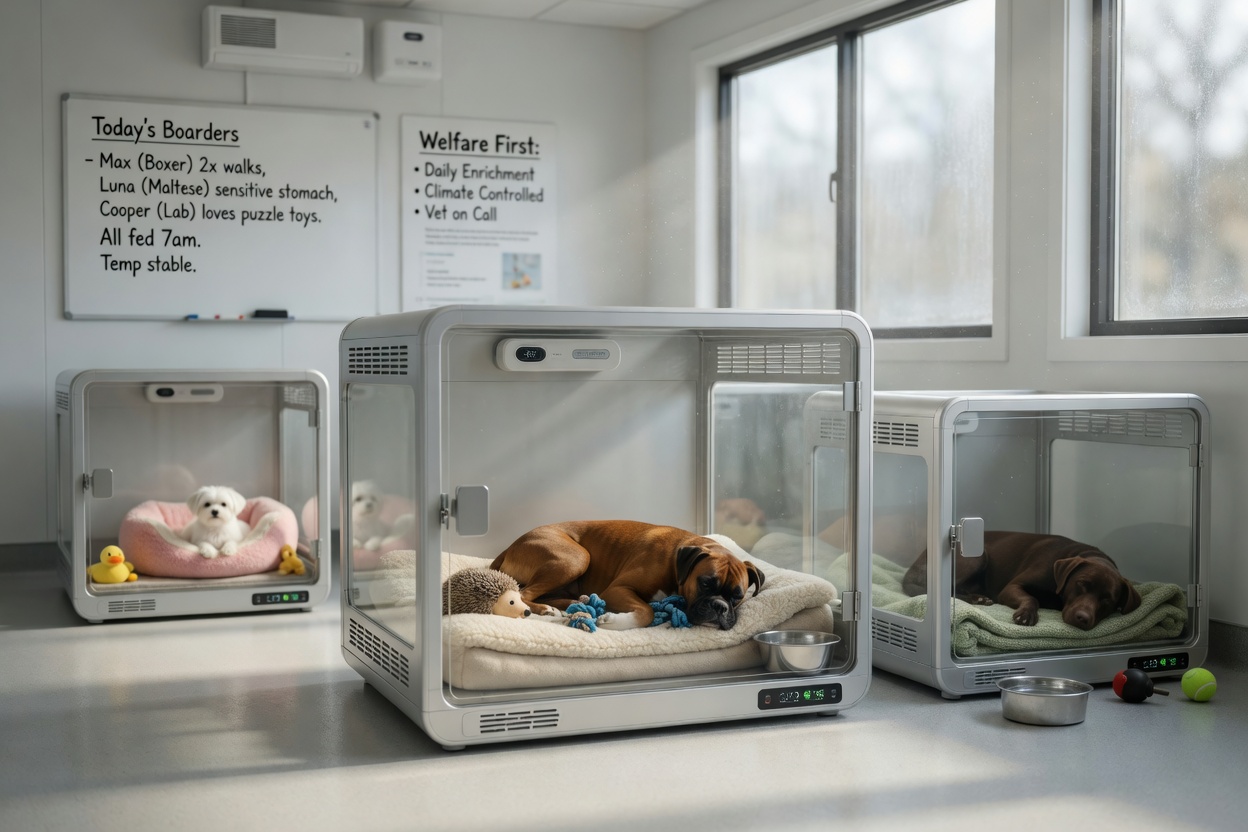
Your boarding space is your business's foundation. Whether home-based or purpose-built, facilities must prioritise dog welfare and safety.
Key facility requirements:
- Secure, escape-proof kennels or indoor spaces (minimum 25 square feet per dog)
- Outdoor exercise areas with secure fencing
- Temperature-controlled environment (ideally 15-21°C)
- Separate areas for isolation if needed (sick dogs)
- Clean water and food preparation areas
- Adequate lighting and ventilation
Invest in quality bedding, water bowls, and enrichment items. Many successful boarding businesses create a home-like environment with different areas for play, rest, and socialisation.
Developing Your Service Offerings
Differentiate your business by offering specialised services. Standard boarding should include daily exercise, feeding, fresh water, and basic care. Enhanced offerings might include:
- Training sessions or behaviour reinforcement
- Grooming and nail care
- Medication administration and health monitoring
- Individual attention and play time
- Regular health checks and updates to owners
- Photography updates via email or messaging apps
Establish clear pricing structures based on dog size, length of stay, and additional services.
Building Trust and Managing Health
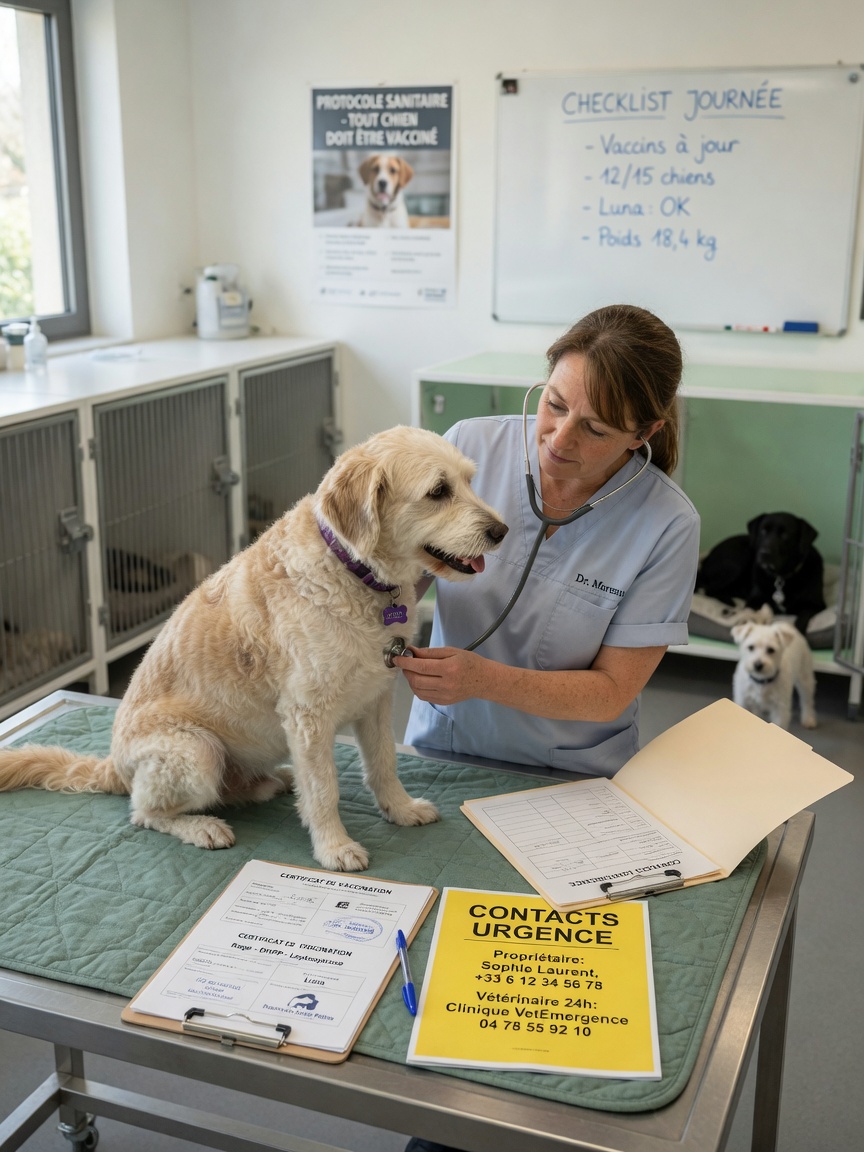
Successful boarding businesses prioritise transparency and health protocols. Require vaccination records (including rabies and kennel cough) before accepting dogs. Implement strict hygiene practices to prevent disease transmission, including separate areas for new arrivals.
Essential health protocols:
- Maintain detailed health and behaviour records for each dog
- Screen for contagious conditions during check-in
- Keep emergency vet contact information readily available
- Establish clear communication channels with owners
- Take daily photos or videos to reassure owners
Consider obtaining professional qualifications in animal first aid or canine behaviour to enhance credibility and service quality.
Marketing Your Boarding Business
Build your reputation through online presence and word-of-mouth recommendations. Create a professional website showcasing your facilities, services, and client testimonials. Utilise social media platforms to share daily boarding updates and success stories.
Marketing strategies include local business listings, partnerships with vets and pet shops, and offering referral discounts to existing clients.
Key Takeaways
Starting a dog boarding business requires careful planning, proper licensing, excellent facilities, and genuine commitment to animal welfare. Focus on building trust through transparency, maintaining rigorous health standards, and providing exceptional care. With the right preparation and dedication, you can create a thriving business that pet owners trust with their beloved companions.
```