
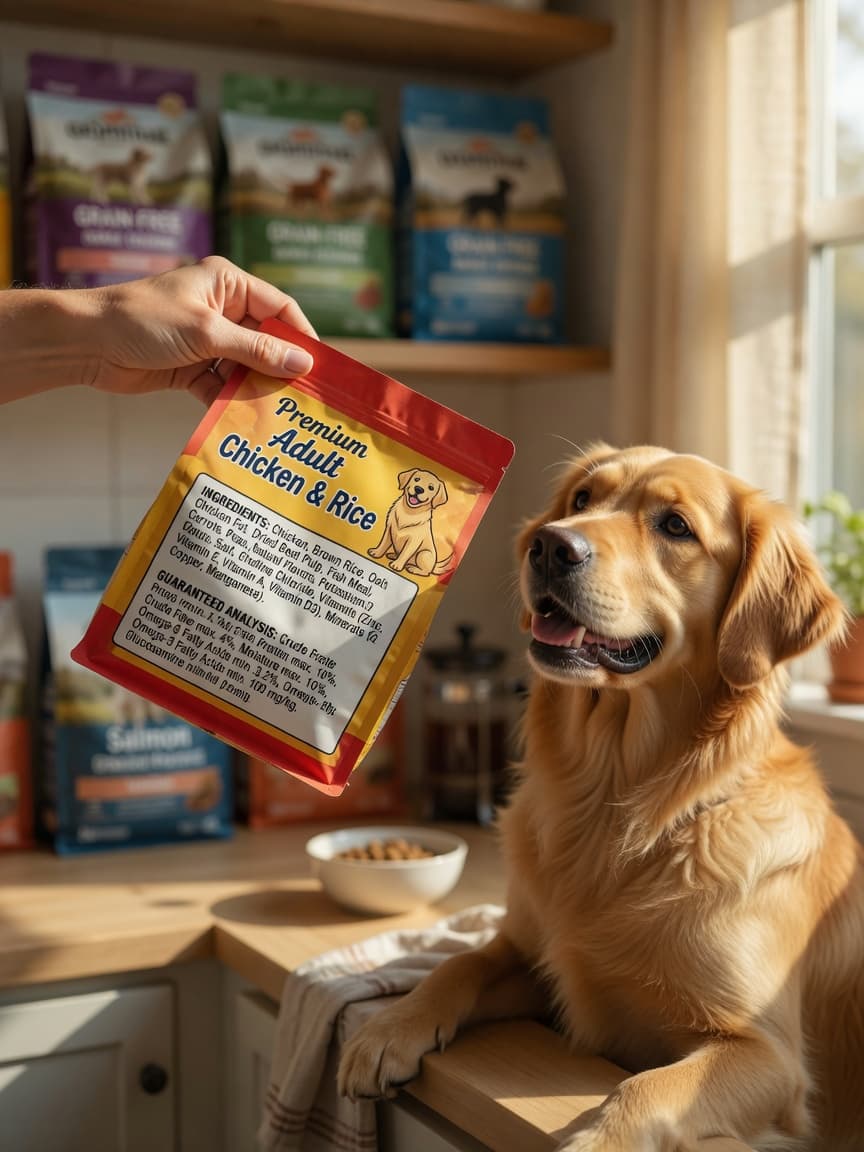
Choosing the right food for your dog is one of the most important decisions you'll make as a pet owner. Yet many of us stand in the supermarket aisle, staring at hundreds of dog food labels, feeling utterly bewildered. The truth is, learning to decode dog food packaging is a valuable skill that can help you select a nutritionally balanced diet, avoid potential health issues, and ensure your beloved companion thrives. Whether you have a growing puppy, an active adult dog, or a senior friend, these eight evidence-based tips will help you make informed choices.
1. Check the AAFCO Statement First
Look for the Association of American Feed Control Officials (AAFCO) statement on the label. This certification confirms that the food meets minimum nutritional standards for your dog's life stage—whether that's growth, maintenance, or all life stages. A properly formulated diet should carry this statement, which provides reassurance that the manufacturer has conducted feeding trials or formulation studies. Without it, you cannot be certain the food provides adequate nutrition.
2. Understand the Ingredient List Order
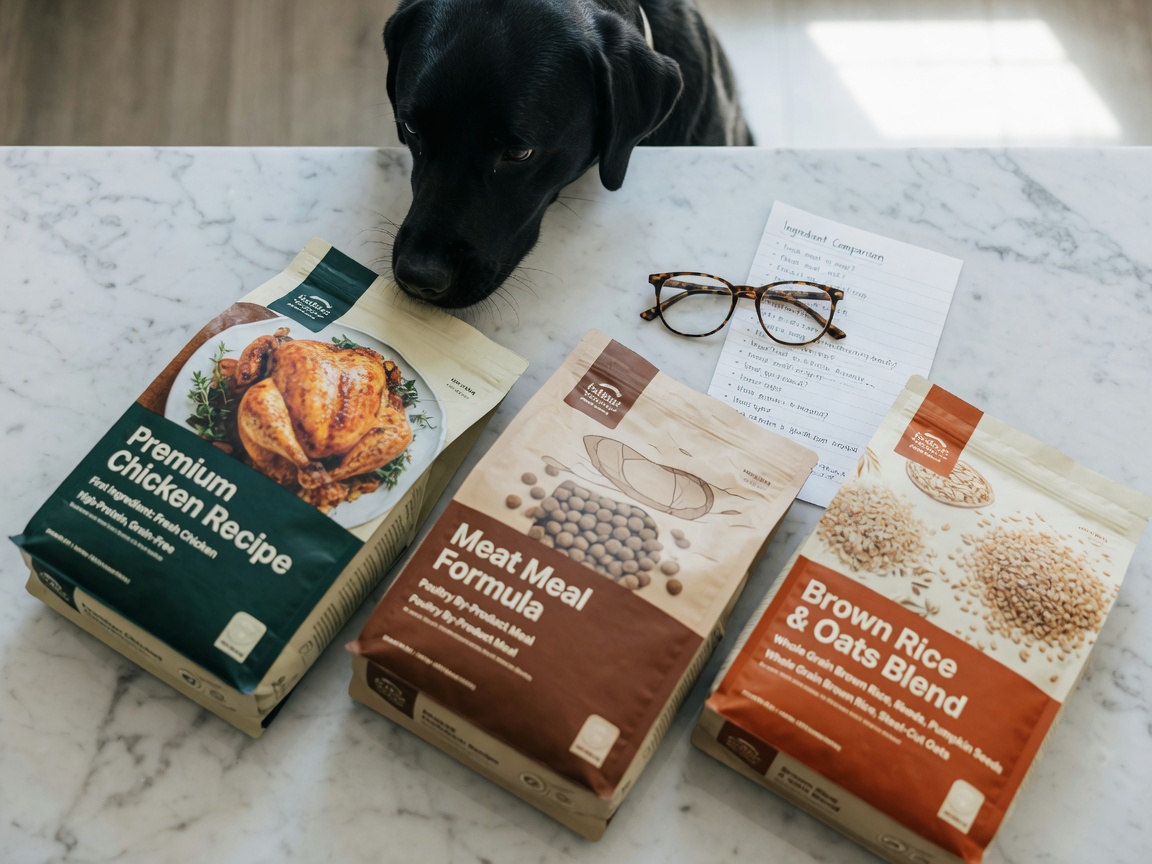
Ingredients are listed by weight, from highest to lowest. Look for named meat proteins (chicken, beef, salmon) listed first, rather than vague terms like "meat meal" or "by-products." The first five ingredients are particularly important as they make up the bulk of the food.
- Named proteins: Chicken, lamb, fish (preferred)
- Vague proteins: Meat by-products, animal by-products (less desirable)
- Grain inclusions: Whole grains like brown rice or oats are acceptable for most dogs
3. Look Beyond Marketing Claims
Terms like "premium," "natural," "holistic," and "grain-free" aren't legally defined or regulated in pet food marketing. These claims often inflate prices without necessarily reflecting nutritional superiority. Instead, focus on verifiable information: AAFCO certification, named ingredients, and guaranteed analysis percentages.
4. Examine the Guaranteed Analysis
This section lists minimum percentages of crude protein and crude fat, plus maximum percentages of crude fibre and moisture. For an adult dog, look for:
- Protein: 18% minimum (dogs are facultative carnivores and need adequate protein)
- Fat: 5% minimum for maintenance
- Fibre: Usually 4% or less
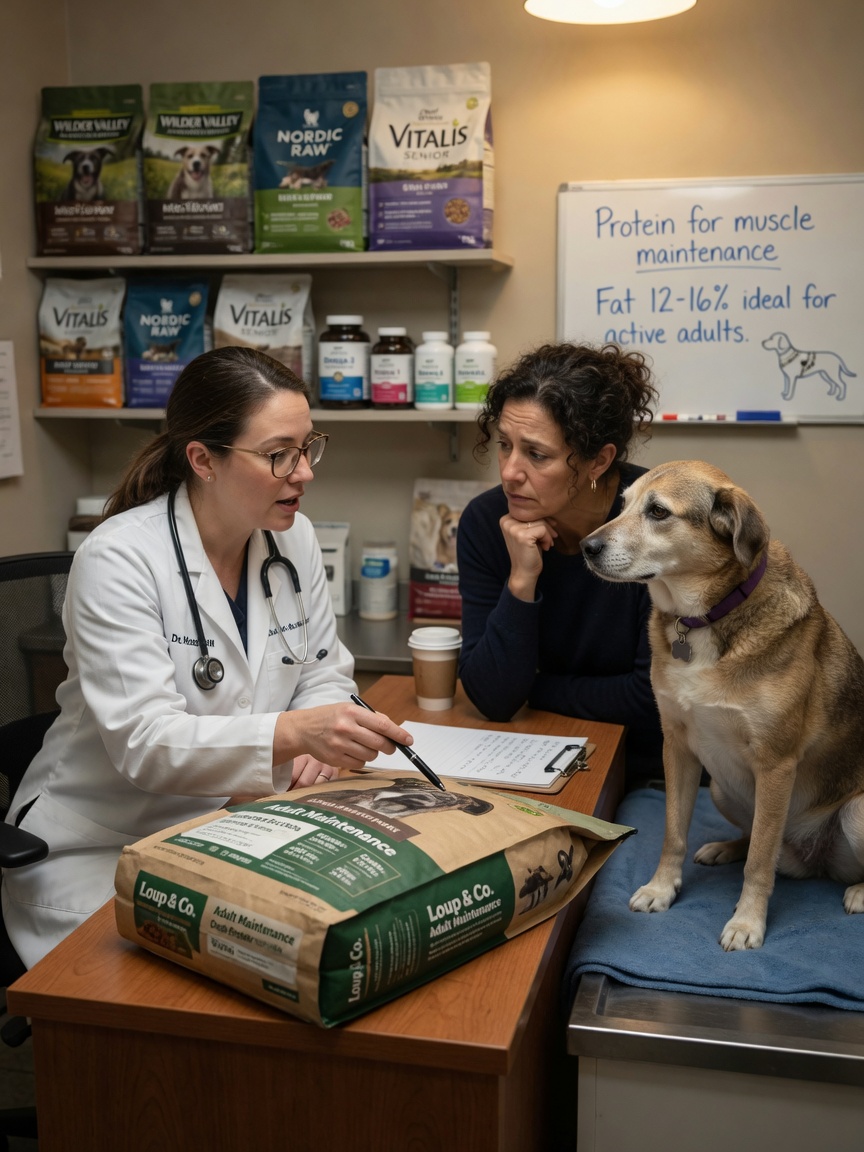
Growing puppies need higher protein (22% minimum) and fat (8% minimum) to support development. Your vet can recommend specific targets for your dog's age and activity level.
5. Watch Out for Fillers and By-Products
Excessive fillers like corn, wheat, and soy provide little nutritional value and can trigger sensitivities in some dogs. Similarly, "meal" and "by-products" are lower-quality protein sources. These ingredients help manufacturers keep costs down but may compromise your dog's health and coat condition over time.
6. Calculate the Actual Protein Content
Remember that high moisture content can artificially inflate the ingredient list ranking. If a food lists "chicken" first but contains 12% moisture and "chicken meal" is listed second at 8% moisture, the chicken meal actually contains more protein. Look for dry matter percentages or consult your vet for clarification on dense proteins.
7. Check for Artificial Additives
Avoid foods with artificial colours, flavours, and chemical preservatives like BHA, BHT, and ethoxyquin. Natural preservatives such as mixed tocopherols (vitamin E) are gentler alternatives. Many dogs develop coat problems, itching, or digestive upset from artificial additives.
8. Consider Your Individual Dog's Needs
A label might be "good" nutritionally but unsuitable for your dog. Puppies, senior dogs, active dogs, and those with allergies all have different requirements. If your dog has digestive sensitivities or allergies, work with your vet to identify suitable ingredients and avoid problematic ones.
Key Takeaways
Reading dog food labels empowers you to move beyond marketing hype and make science-backed nutritional choices. Always prioritise AAFCO certification, named meat proteins, and appropriate nutrient percentages for your dog's life stage. When in doubt, consult your vet—they can help you interpret labels and tailor recommendations to your dog's individual health profile. Your four-legged friend depends on you to make the best choice, and now you have the tools to do exactly that.