
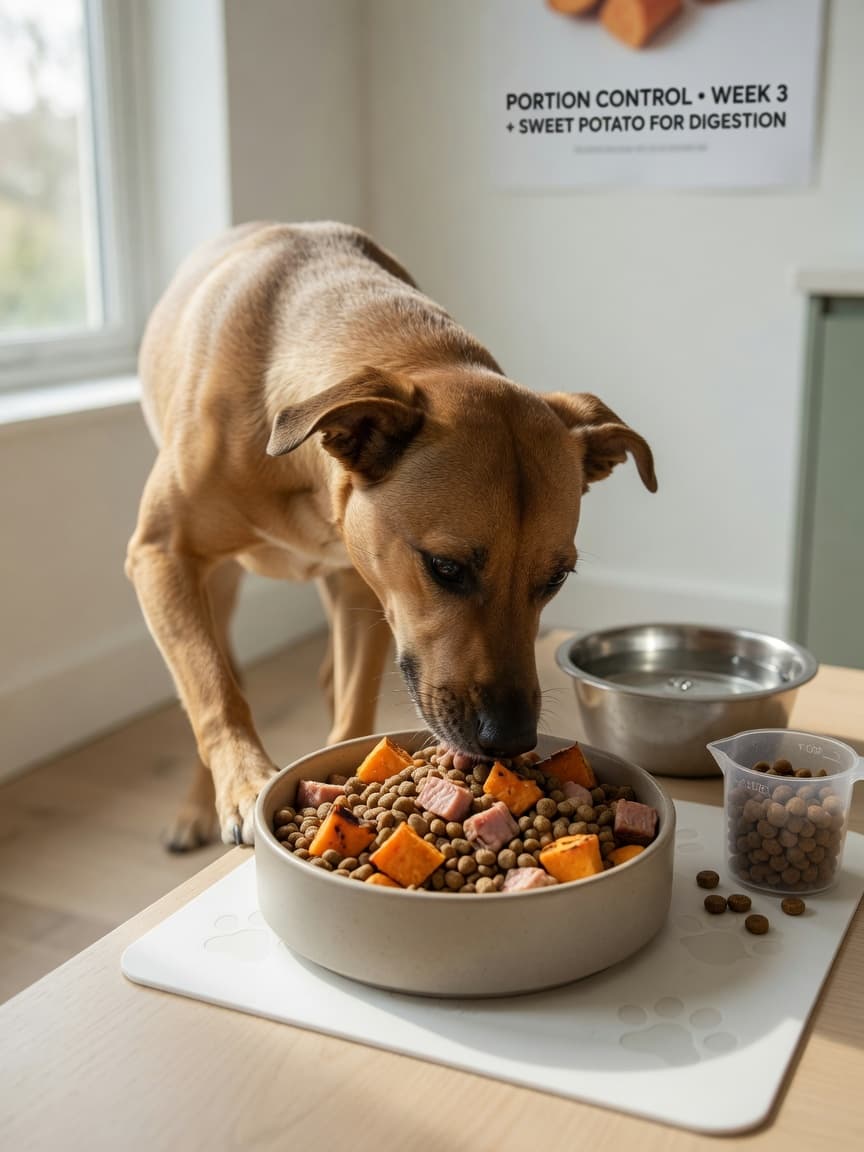
If your dog is looking a bit too lean, you're not alone in noticing. Underweight dogs are surprisingly common, whether due to age, recovery from illness, high metabolism, or simply inadequate nutrition. Putting healthy weight on your dog requires patience, strategy, and often professional guidance. This comprehensive guide will help you safely increase your dog's weight whilst ensuring they remain healthy and vibrant.
Understanding Why Your Dog Might Be Underweight
Before implementing any weight-gain strategy, it's crucial to identify why your dog is underweight in the first place. Several factors could be contributing:
- Medical conditions: Parasites, thyroid problems, dental disease, or digestive issues can prevent proper nutrient absorption
- Age-related factors: Senior dogs sometimes lose muscle mass and appetite
- High metabolism: Some breeds and individual dogs naturally burn calories quickly
- Recovery from illness: Dogs rebuilding strength after surgery or illness need additional calories
- Inadequate feeding: Sometimes underweight dogs simply aren't receiving enough food or proper nutrition
Always consult your veterinary surgeon first to rule out underlying health issues. A thorough health check is the essential first step.
Assess Your Dog's Current Diet
Evaluate what you're currently feeding your dog. Are you providing:
- High-quality, nutrient-dense food appropriate for their age and size?
- Enough daily calories for their activity level?
- Proper balance of protein, fats, and carbohydrates?
Many underweight dogs are simply underfed. Check the feeding guidelines on your dog food packaging and consider whether you're meeting those recommendations. Your vet can help calculate the appropriate daily caloric intake for your individual dog.
Increase Caloric Intake Strategically
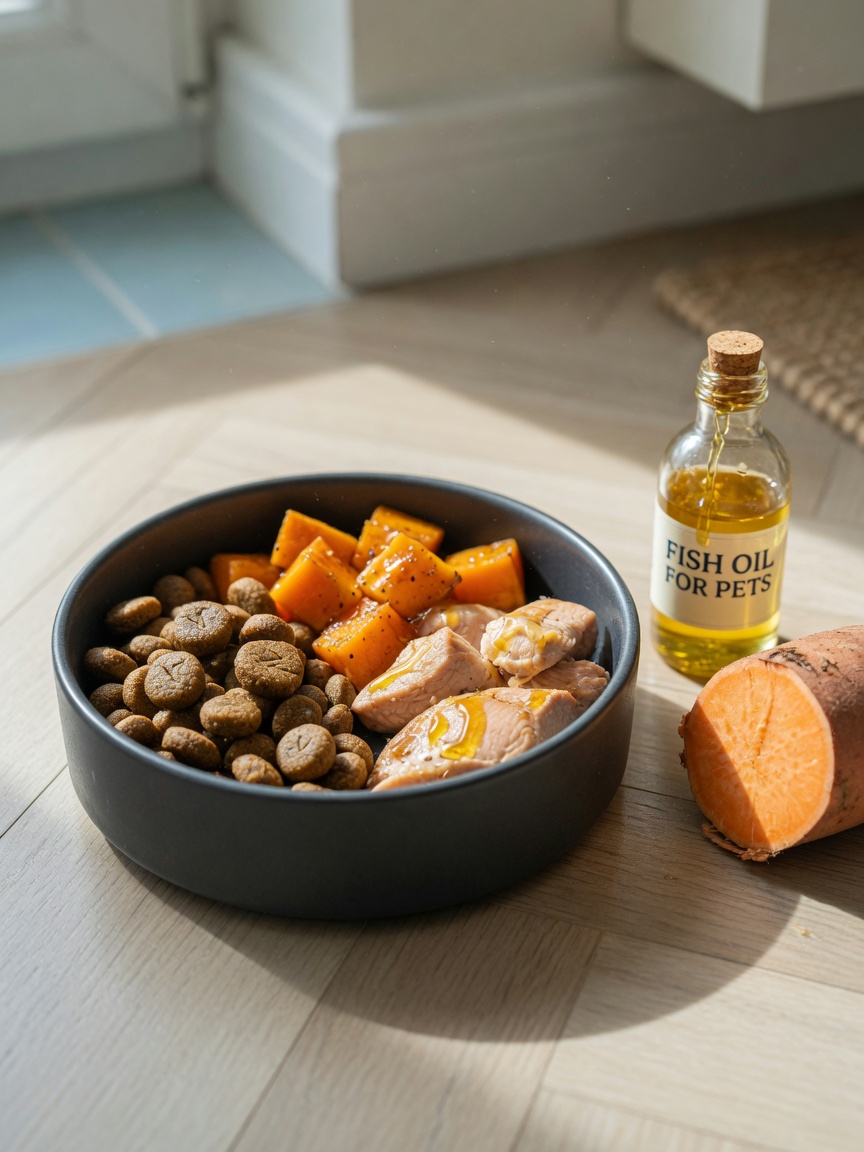
Rather than simply feeding larger portions, focus on calorie-dense options:
- Switch to premium food: Higher-quality kibble often contains more concentrated nutrition, meaning your dog gets more benefit per cup
- Add healthy fats: A tablespoon of fish oil or coconut oil added to meals increases calories and promotes coat health
- Incorporate whole foods: Sweet potato, pumpkin puree, and lean meats boost nutritional value
- Consider wet food: Tinned or fresh dog food is often more calorie-dense and palatable than dry kibble
- Feed more frequently: Instead of one meal daily, try two or three smaller portions to prevent digestive upset
Optimise Meal Times and Environment
Sometimes it's not what you feed, but how and when. Create optimal eating conditions:
- Feed in a quiet, calm space away from other pets and distractions
- Maintain consistent feeding times to establish routine
- Ensure fresh water is available, but feed separately from water bowls
- Consider warming tinned food slightly to enhance aroma and palatability
Monitor Progress and Adjust
Healthy weight gain takes time—typically 4 to 8 weeks to see noticeable improvement. Track your dog's progress by:
- Weighing them weekly at your vet's surgery
- Assessing their body condition score (you should feel ribs easily but not see them prominently)
- Taking regular photographs for visual comparison
- Noting any changes in energy levels or coat quality
Key Takeaways
Putting weight on an underweight dog requires a multi-faceted approach. Begin with a veterinary check-up, evaluate current nutrition, increase caloric intake with nutrient-dense foods, and create optimal feeding conditions. With patience and consistency, most dogs respond well to these strategies. Remember, the goal isn't just weight gain—it's creating sustainable, healthy nutrition that supports your dog's overall wellbeing. If your dog fails to gain weight despite your efforts, return to your vet to investigate further underlying causes.