
Finding a reliable dog walker can be transformative for busy pet owners, but introducing your dog to this new routine requires thoughtful preparation. Whether you're returning to the office, juggling multiple commitments, or simply want to enrich your dog's daily routine, ensuring your dog is ready for a walker's care makes the transition smooth and stress-free. In this guide, we'll explore practical steps to help your dog build confidence and establish a positive relationship with their walker.
Start With A Gradual Introduction
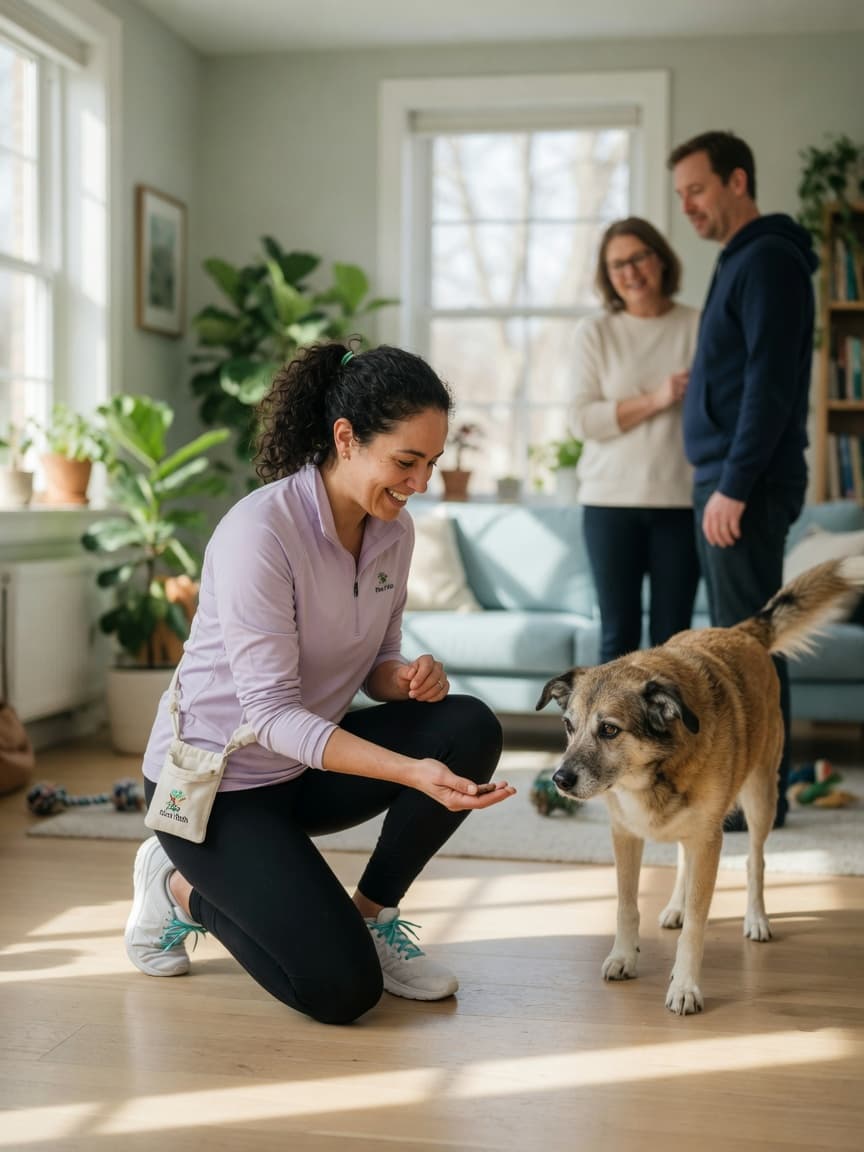
The first meeting between your dog and their new walker shouldn't happen just before you dash out the door for eight hours. Instead, arrange an initial meet-and-greet in your home where your dog feels secure.
- Have the walker visit whilst you're present so your dog can observe your positive interactions with them
- Let your dog approach the walker at their own pace—don't force interaction
- Ask the walker to offer treats and engage in gentle play to build positive associations
- Keep this first visit short (15-20 minutes) to prevent overwhelming your dog
Schedule at least 2-3 meetings before the walker takes your dog out alone. This allows your dog to recognise them as a trusted companion rather than a stranger.
Establish Clear Communication And Guidelines
Before the first official walk, have a detailed conversation with your walker about your dog's specific needs and personality.
- Share information about your dog's walking preferences (pace, distance, favourite routes)
- Discuss any behavioural issues or anxieties your dog may have
- Provide emergency contact information and your veterinarian's details
- Explain your dog's feeding schedule, medications, or special requirements
- Agree on a communication method (text updates, photos, or brief calls)
Consider creating a one-page information sheet covering your dog's temperament, health concerns, emergency protocols, and any commands they respond to. This is particularly helpful if multiple walkers cover your dog's schedule.
Practice Short Separations
If your dog suffers from separation anxiety, gradually building tolerance to being away from you is essential. Start with the walker present whilst you step into another room for 10 minutes, then gradually increase the duration.
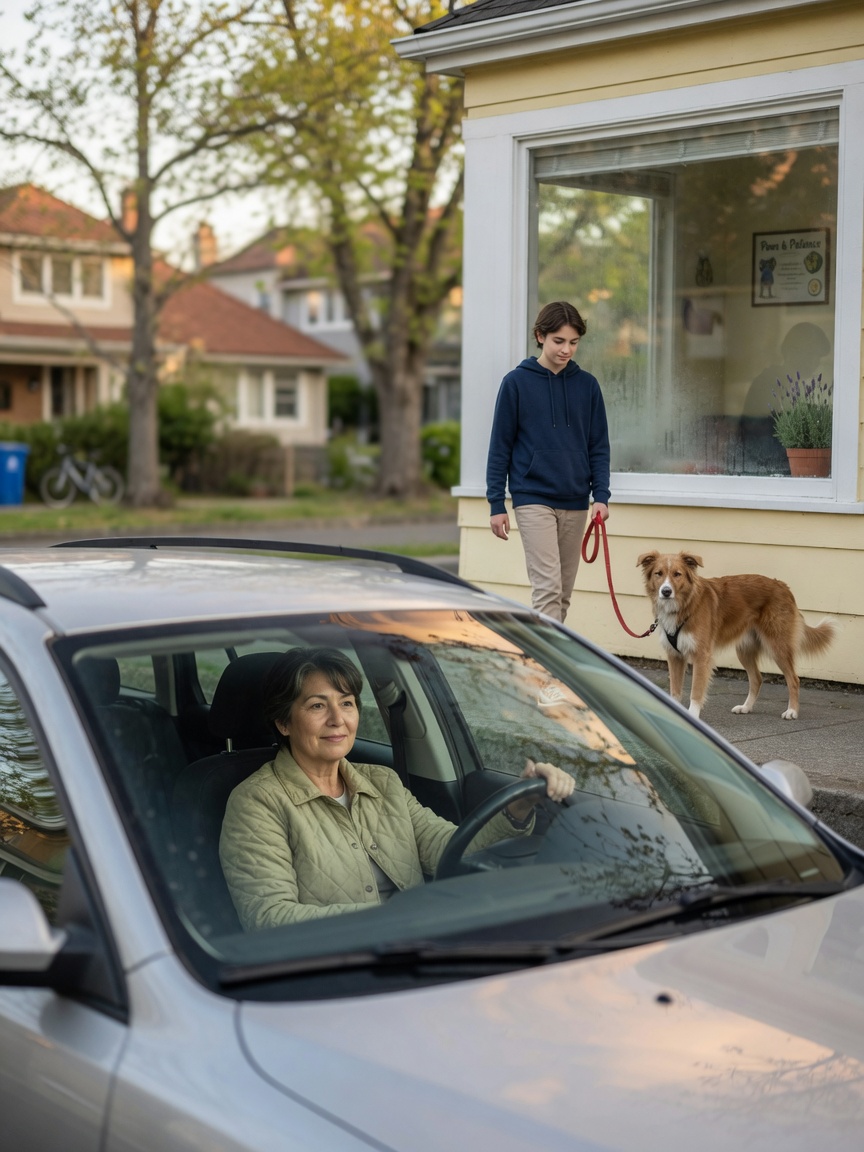
Before walks begin, take your dog for a brief outing with the walker whilst you follow in your car at a distance. This builds confidence that the walker is reliable and will return them safely. Over several sessions, increase the distance between you and the walker until your dog feels secure.
Ensure Your Dog Is Properly Exercised Beforehand
A tired dog is often a well-behaved dog. Consider the timing of walks in relation to your dog's natural energy levels. If your walker arrives in the morning, a brief walk or play session beforehand can help settle your dog's anxiety about the new person.
Additionally, ensure your dog is getting adequate mental stimulation through training, puzzle toys, and interactive play. A mentally enriched dog typically handles routine changes more positively.
Update Your Dog's Training And Recalls
A dog walker's job becomes considerably easier when your dog responds reliably to basic commands. Before introducing a walker, refresh your dog's training on recall, loose-lead walking, and settling on command.
If your dog has never walked reliably on a lead, invest time in training this essential skill. This protects both your dog and the walker during outings.
Key Takeaways
Preparing your dog for a dog walker is an investment in their wellbeing and your peace of mind. By introducing the walker gradually, establishing clear communication, practising separations, and ensuring your dog has solid training, you're setting up a successful working relationship. Remember that every dog adjusts at their own pace—patience and consistency are far more valuable than rushing the process. With these steps in place, your dog will soon look forward to their daily walks, knowing they're in capable, caring hands.
```