
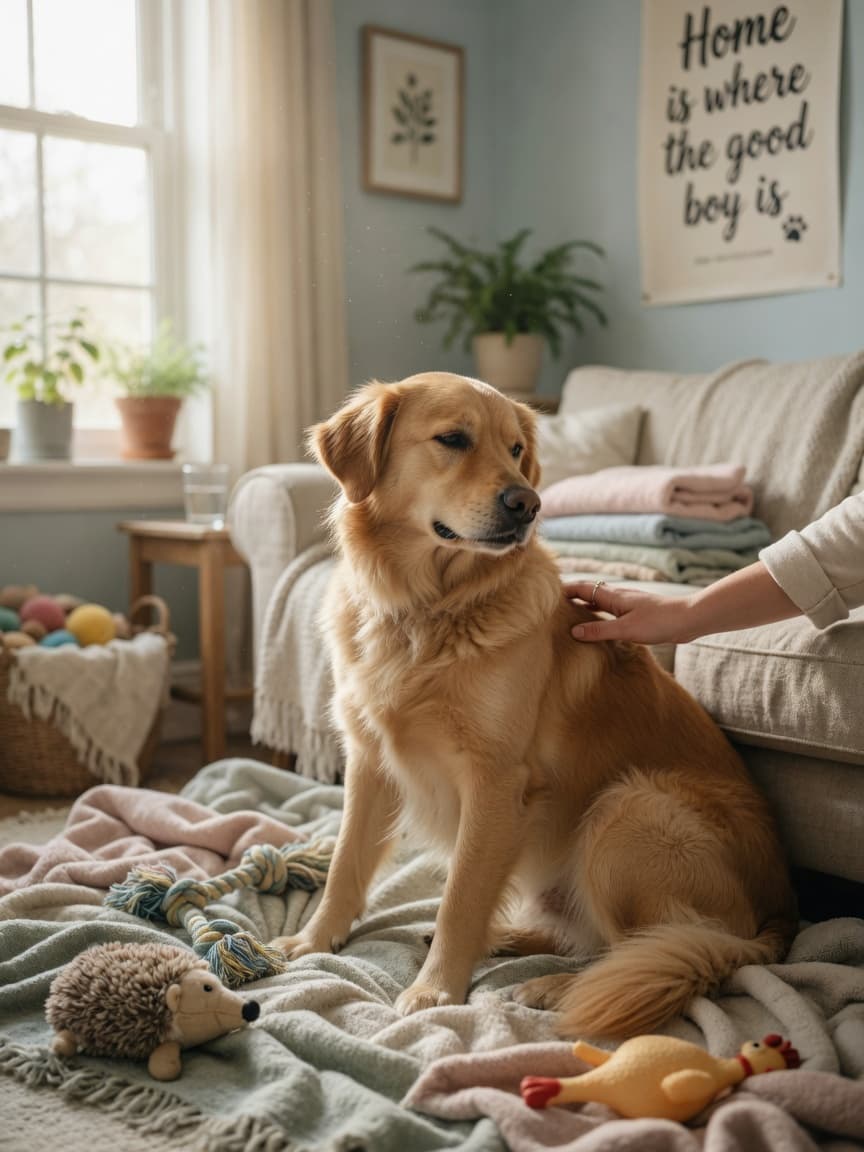
A safe dog is a happy dog. Whether you've just brought home a new puppy, adopted a rescue with a troubled past, or simply want to deepen your bond with your furry companion, creating an environment where your dog feels genuinely secure is one of the most important things you can do as a pet owner. Dogs that feel safe are less anxious, better behaved, and more confident in their daily lives. In this guide, we'll explore practical, evidence-based strategies to help your dog develop a true sense of security and belonging.
Establish a Consistent Routine
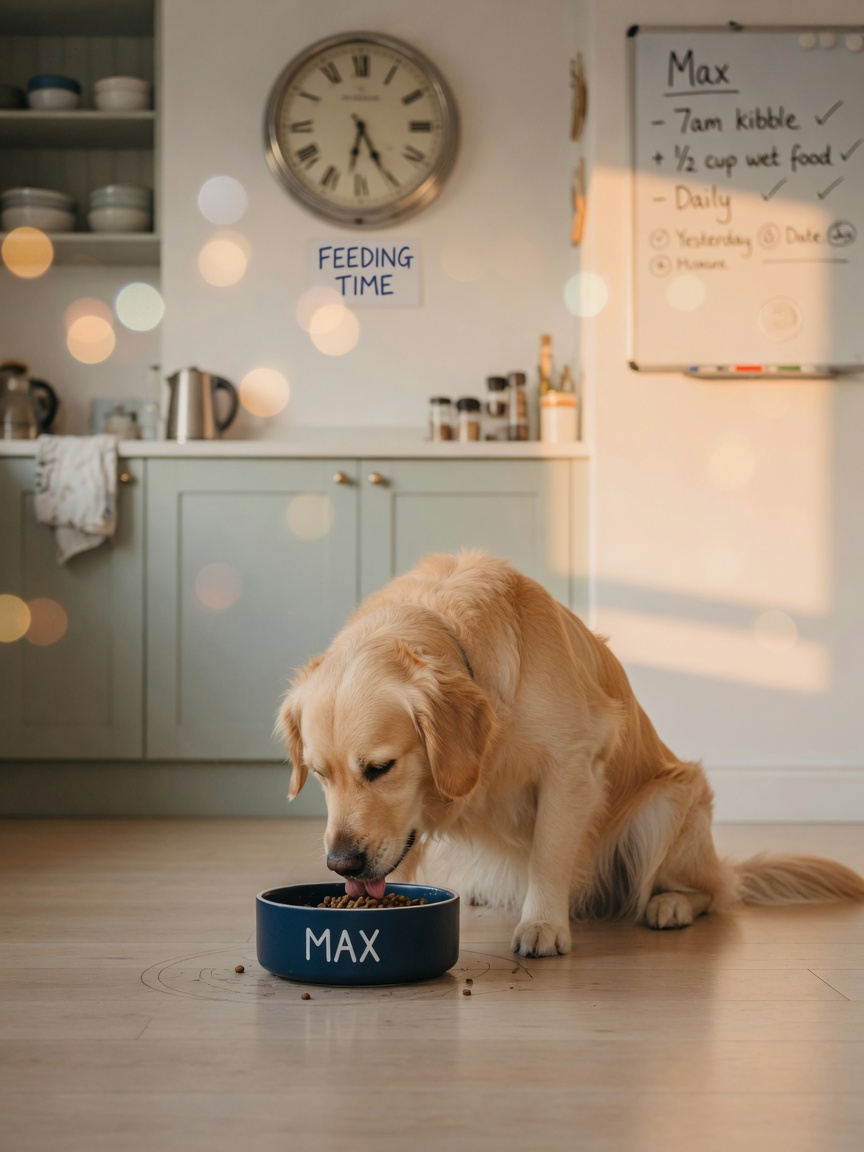
Dogs are creatures of habit. They thrive on predictability because it helps them understand what to expect throughout the day. A consistent routine reduces anxiety and builds confidence, as your dog learns that their world is orderly and manageable.
- Feed your dog at the same times each day
- Maintain regular exercise schedules with daily walks
- Establish set times for playtime, training, and rest
- Go to bed and wake up around the same time daily
- Be consistent with bathroom breaks and toilet training schedules
When dogs know what happens next, they experience less stress and feel more in control of their environment.
Create a Safe Space Your Dog Can Retreat To
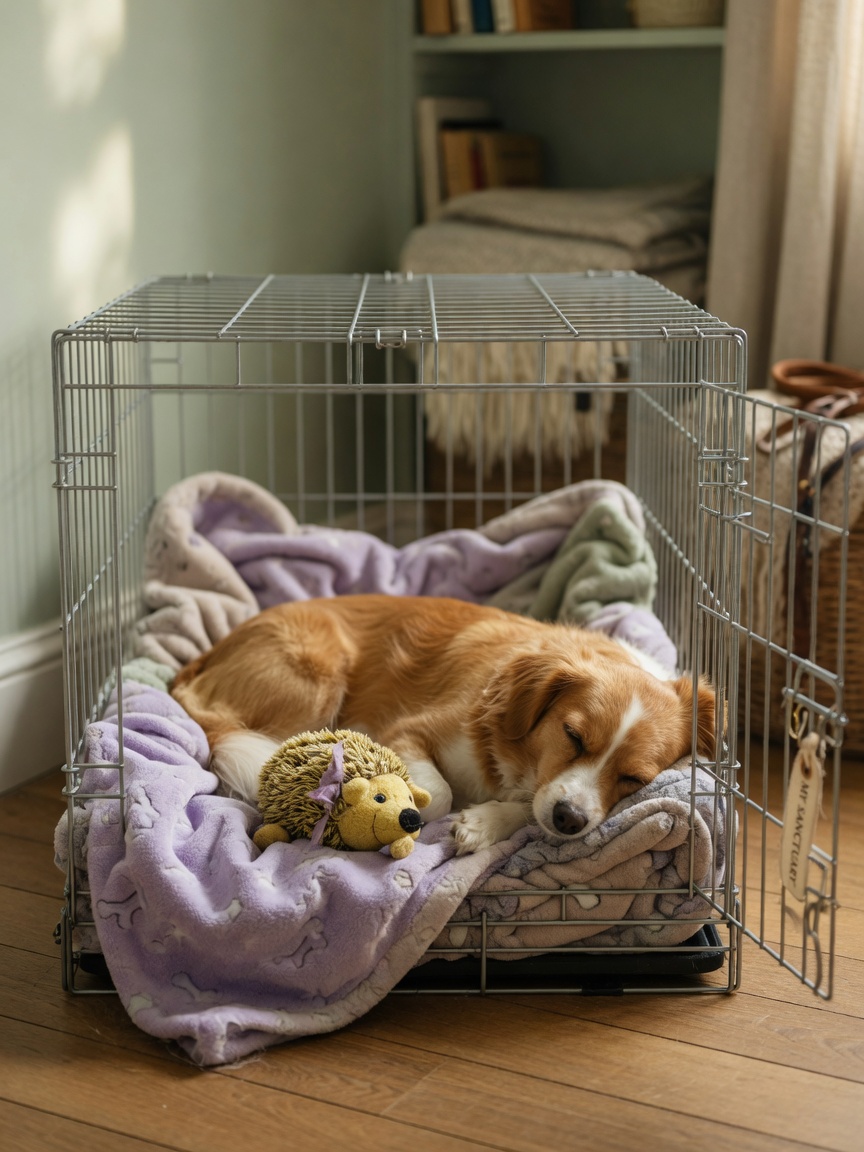
Every dog needs a designated safe haven—a quiet area where they can retreat when feeling overwhelmed, stressed, or simply needing downtime. This could be a crate, a specific room, or a cosy corner with a bed.
- Choose a quiet location away from high traffic areas
- Make it comfortable with familiar bedding and toys
- Never force your dog into this space as punishment
- Respect their space when they retreat there
- Train them to see this area as positive through treats and praise
A properly introduced crate can become a sanctuary your dog willingly chooses to enter, providing them with security during stressful situations.
Use Positive Reinforcement Training
How you train your dog significantly impacts their sense of safety. Positive reinforcement methods build trust and confidence far more effectively than punishment-based approaches.
- Use rewards like treats, praise, and play to reinforce good behaviour
- Avoid shouting, hitting, or harsh corrections
- Start training sessions in low-pressure environments
- Keep sessions short (5-10 minutes) to prevent frustration
- Celebrate small victories to build your dog's confidence
When dogs learn through positive methods, they develop trust in their handler and feel safer making decisions because mistakes aren't punished—they're simply opportunities to try again.
Provide Appropriate Socialisation
Safe dogs aren't isolated dogs. Proper socialisation—exposing your dog to different people, animals, environments, and experiences in a controlled, positive way—builds their confidence and helps them feel secure in the wider world.
- Introduce puppies to varied environments between 3-14 weeks of age
- Arrange calm meetings with other friendly dogs
- Expose your dog to different sounds, surfaces, and situations
- Always ensure positive associations with new experiences
- Proceed at your dog's pace—never force interactions
A well-socialised dog is a confident dog who won't perceive every new situation as a threat.
Manage Stress and Provide Comfort
Your dog picks up on your emotional state. Remaining calm, patient, and reassuring helps your dog feel secure in your presence. Additionally, provide comfort during genuinely stressful situations like thunderstorms or fireworks through calm presence rather than excessive fussing, which can reinforce fear.
- Stay calm during stressful situations
- Use a soothing tone of voice
- Create a safe den-like space during storms
- Use calming pheromone products if necessary
- Consider professional help for anxiety issues
Key Takeaways
Making your dog feel safe requires consistency, patience, and understanding. By establishing routines, creating safe spaces, using positive training methods, ensuring proper socialisation, and managing stress effectively, you'll build a foundation of security that allows your dog to flourish. A safe dog becomes a well-adjusted, confident, and loving companion who trusts you completely. The investment you make in your dog's emotional security today will pay dividends throughout their entire life.