
Housetraining a puppy is one of the most important challenges new pet owners face, and it requires patience, consistency, and a solid understanding of your pup's developmental capabilities. Most puppies can begin housetraining between 12 and 16 weeks of age, when they've developed sufficient bladder control. With the right approach, you can set your puppy up for success and avoid months of frustration. This comprehensive guide will walk you through proven housetraining methods whilst highlighting common pitfalls to sidestep.
Understanding Your Puppy's Bladder Development
Before diving into training techniques, it's crucial to recognise that puppies cannot physically hold their bladder for extended periods. As a general rule, a puppy can hold its bladder for approximately one hour per month of age, plus one additional hour. A three-month-old puppy, therefore, can typically manage four hours maximum. This biological reality means frequent toilet breaks are essential, not optional.
Puppies also have predictable times when they need to relieve themselves: immediately upon waking, after meals (usually within 15-30 minutes), after playtime, and before bedtime. Working with these natural rhythms accelerates housetraining success dramatically.
Establishing a Consistent Routine
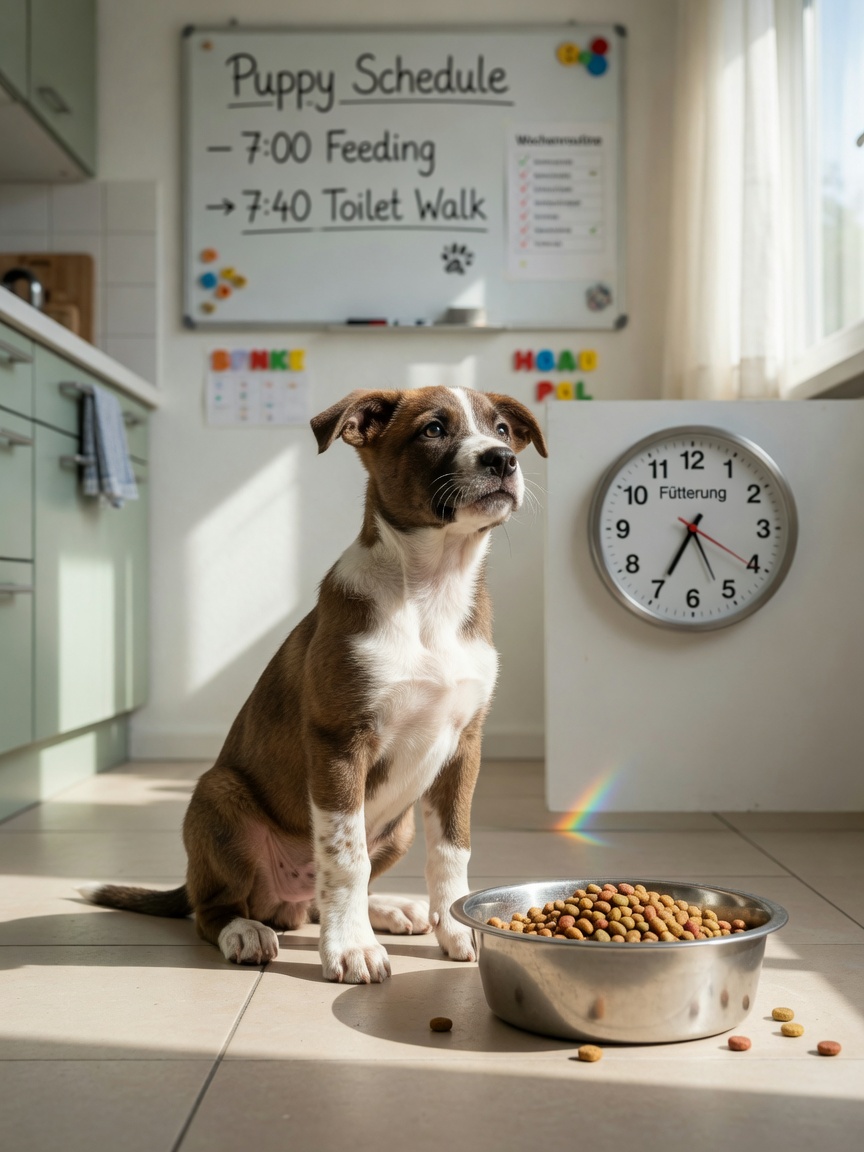
Consistency is the foundation of successful housetraining. Your puppy thrives on predictability, and a well-structured schedule helps them understand what you expect.
- Create a fixed feeding schedule – Feed your puppy at the same times daily (typically three times daily for puppies under four months). This creates predictable toilet times.
- Establish regular toilet breaks – Take your puppy outside first thing in the morning, after meals, after naps, during playtime, and before bedtime.
- Designate a toilet area – Always take your puppy to the same spot in your garden. The scent encourages them to eliminate there.
- Use a consistent command – Say "toilet time" or similar phrasing as you head outside, creating a verbal association with the activity.
Positive Reinforcement Techniques
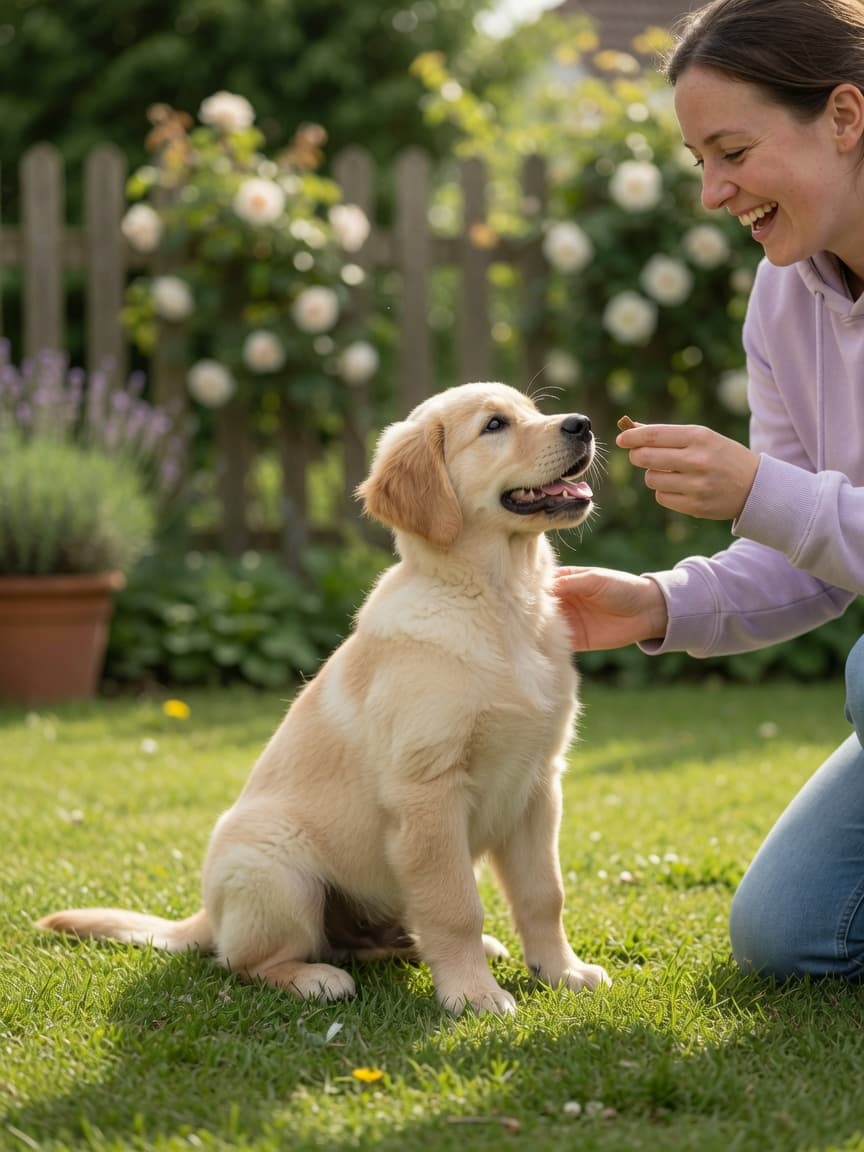
When your puppy eliminates in the correct location, immediate praise and rewards are essential. This positive association teaches them that outdoor toileting earns celebration and treats. Offer genuine enthusiasm and perhaps a small, high-value treat within seconds of successful elimination. Never wait until you've returned indoors – the timing of your reward must be immediate.
Keep training sessions upbeat and enjoyable. If housetraining becomes stressful or punishment-focused, your puppy may become anxious about toileting in front of you, actually complicating the process.
Managing Accidents Effectively
Accidents will happen – they're a normal part of development. Your response to these incidents significantly impacts your training success.
- Catch accidents in progress if possible, calmly say "no," and immediately take your puppy outside to their toilet area.
- If you discover an accident after the fact, simply clean it thoroughly with enzymatic cleaner and move forward. Punishing after-the-fact accomplishes nothing except creating fear.
- Never rub your puppy's nose in accidents or use harsh language. This creates anxiety, not understanding.
- During the housetraining period, use baby gates or confined spaces to limit your puppy's access. Puppies naturally avoid soiling their sleeping area, which aids training.
Common Mistakes to Avoid
Several widespread errors can significantly delay housetraining progress. Avoid starting housetraining too early, before your puppy's nervous system has matured sufficiently. Don't expect overnight success – housetraining typically takes 4-6 months, sometimes longer. Resist inconsistency; mixed messages confuse puppies and undermine progress. Finally, never punish your puppy for accidents – this only teaches them to fear you, not to housetrain successfully.
Key Takeaways for Success
Successful housetraining combines realistic expectations, consistent routine, positive reinforcement, and patience. Remember that your puppy isn't being deliberately naughty – they're learning a complex behaviour. By maintaining a predictable schedule, taking your puppy out frequently, celebrating successes enthusiastically, and responding calmly to accidents, you'll establish good toilet habits that last a lifetime. Stay the course, remain patient, and celebrate small victories along the way.