
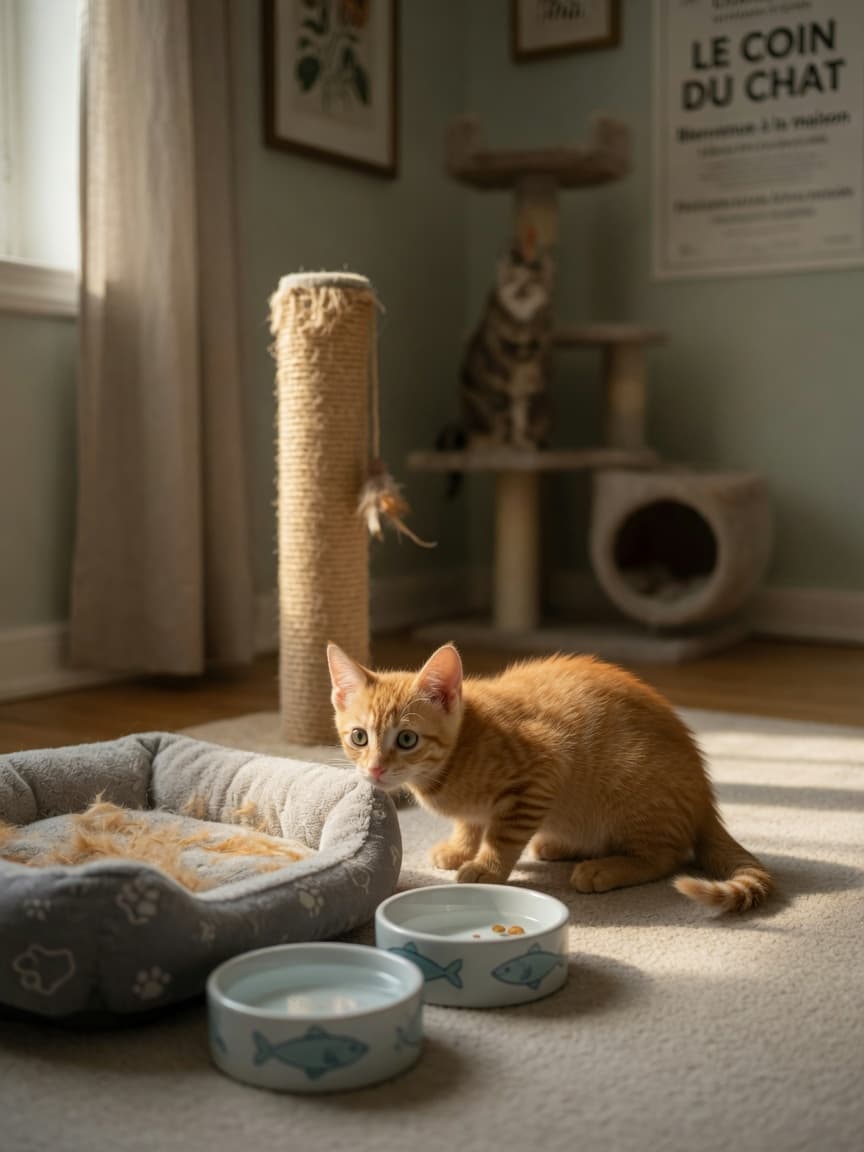
Bringing a new kitten into your home is an exciting milestone, but it's important to recognise that this transition can be quite stressful for your young feline companion. Kittens are naturally curious yet cautious creatures, and moving to an unfamiliar environment with new sights, sounds, and scents can feel overwhelming. By taking a thoughtful, gradual approach to their introduction, you'll help your kitten build confidence, establish healthy routines, and settle into their new life with minimal anxiety. In this guide, we'll explore evidence-based strategies to ensure your kitten's transition is as smooth and stress-free as possible.
Create a Safe Base Room
Rather than allowing your kitten free access to your entire home immediately, begin by confining them to a single, calm room—ideally a bedroom or quiet lounge. This smaller space feels less overwhelming and helps your kitten establish a sense of security.
- Set up a litter tray, food bowl, water bowl, and bed in separate corners of the room
- Place scratching posts and climbing furniture to encourage natural behaviours
- Use plug-in pheromone diffusers, which release synthetic feline pheromones that promote relaxation
- Keep the room dimly lit and maintain a calm atmosphere
- Allow your kitten to explore at their own pace without forced interaction
Spend time in this room with your kitten, but let them approach you. This builds trust and allows them to familiarise themselves with your presence on their own terms.
Establish Consistent Routines

Kittens thrive when their environment is predictable. Consistent feeding times, play sessions, and sleep schedules help regulate their body clock and reduce anxiety.
- Feed your kitten at the same times each day—typically three to four meals for kittens under six months
- Introduce short, gentle play sessions using interactive toys
- Maintain regular sleep patterns by providing a quiet, comfortable sleeping area
- Gradually extend playtime as your kitten becomes more confident
Consistent routines also help with toilet training, as kittens naturally want to use their litter tray at predictable times after eating and sleeping.
Gradual Introduction to Your Home
After several days in their base room—typically three to five days—you can begin slowly introducing your kitten to other areas of your home. Open the door to your designated room and allow your kitten to explore neighbouring spaces at their own pace. Don't force them; curiosity will eventually win out.
- Add extra litter trays in different areas to prevent accidents
- Keep potentially hazardous rooms (such as kitchens with hot surfaces) supervised or closed off
- Ensure all windows and doors are secure to prevent escapes
- Remove toxic houseplants and small objects that could be swallowed
Building Bonds Through Play and Handling

Gentle, consistent interaction helps your kitten bond with you and builds their confidence. However, respect their boundaries and never force handling if they seem fearful.
- Use wand-style toys to engage their hunting instincts safely
- Offer treats and praise during positive interactions
- Handle their paws and ears gently to accustom them to grooming and future veterinary visits
- Keep early interactions short—five to ten minutes is ideal for young kittens
Health and Veterinary Considerations
Before settling into your home, ensure your kitten has been thoroughly assessed by your veterinary surgeon. Request records of any vaccinations, and schedule a health check within the first week if you don't have their medical history. This baseline appointment allows your vet to establish normal health parameters and address any concerns early.
Key Takeaways
Helping your kitten adjust to a new home requires patience, consistency, and understanding. Start with a confined safe space, establish predictable routines, introduce new areas gradually, engage in gentle bonding activities, and prioritise their health. Remember that every kitten adjusts at their own pace—what takes one kitten days may take another weeks. By following these evidence-based strategies, you're setting the foundation for a confident, well-adjusted adult cat and a strong lifelong bond.