
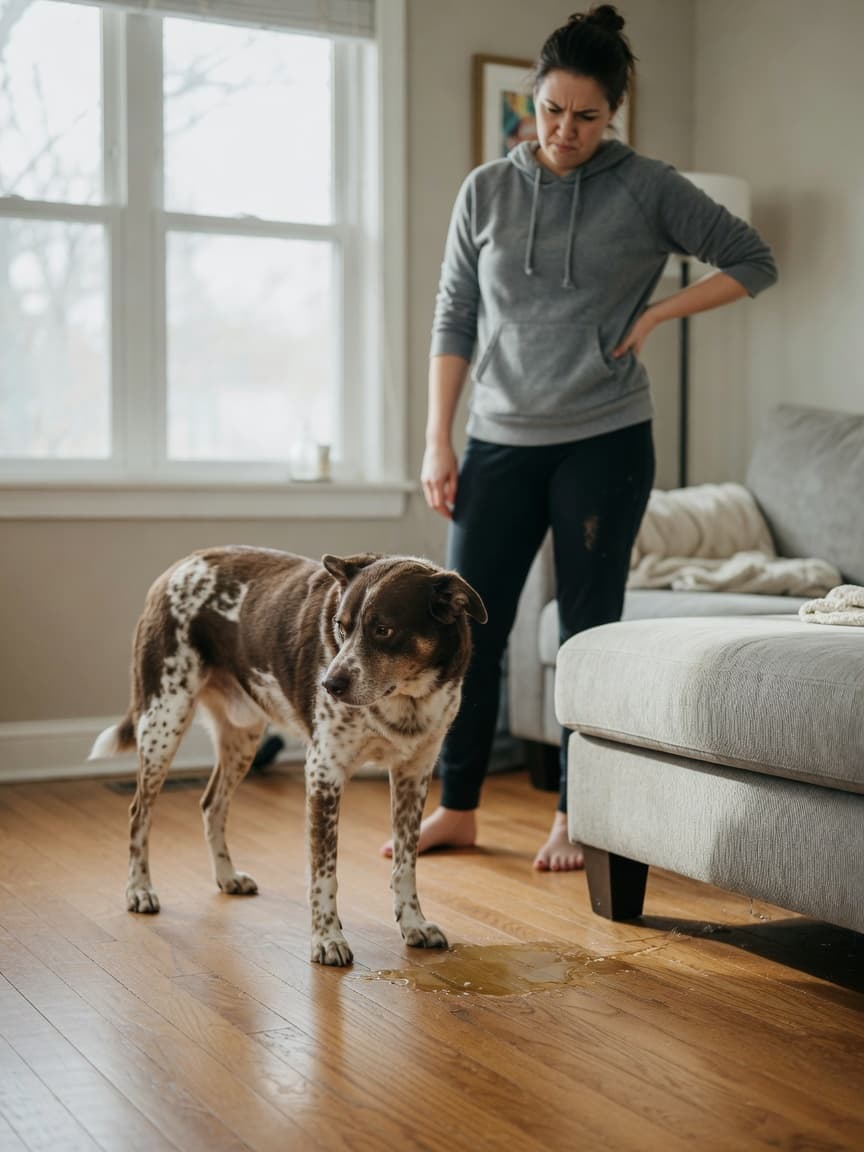
If your dog is leaving unwanted puddles or marks around your home, you're not alone. House soiling and marking are amongst the most common behavioural concerns dog owners face, yet many don't realise these are often distinct issues requiring different approaches. Understanding the difference between the two and identifying the root cause is essential for finding a solution that actually works. Whether your dog is struggling with toilet training, asserting territory, or dealing with an underlying health condition, this guide will help you tackle the problem systematically.
Understanding the Difference: Marking vs House Soiling
Before addressing solutions, it's crucial to distinguish between marking and house soiling, as they stem from different causes and require different strategies.
Marking is a behavioural communication method where dogs deposit small amounts of urine (or occasionally faeces) on vertical surfaces, furniture, or specific spots. It's most common in intact males but can occur in spayed females and neutered males. Dogs mark to establish territory, respond to stress, or communicate with other dogs.
House soiling, by contrast, involves larger volumes of urine or faeces typically deposited on floors or in specific indoor areas. It often indicates either incomplete toilet training or an underlying medical issue.
Rule Out Medical Issues First
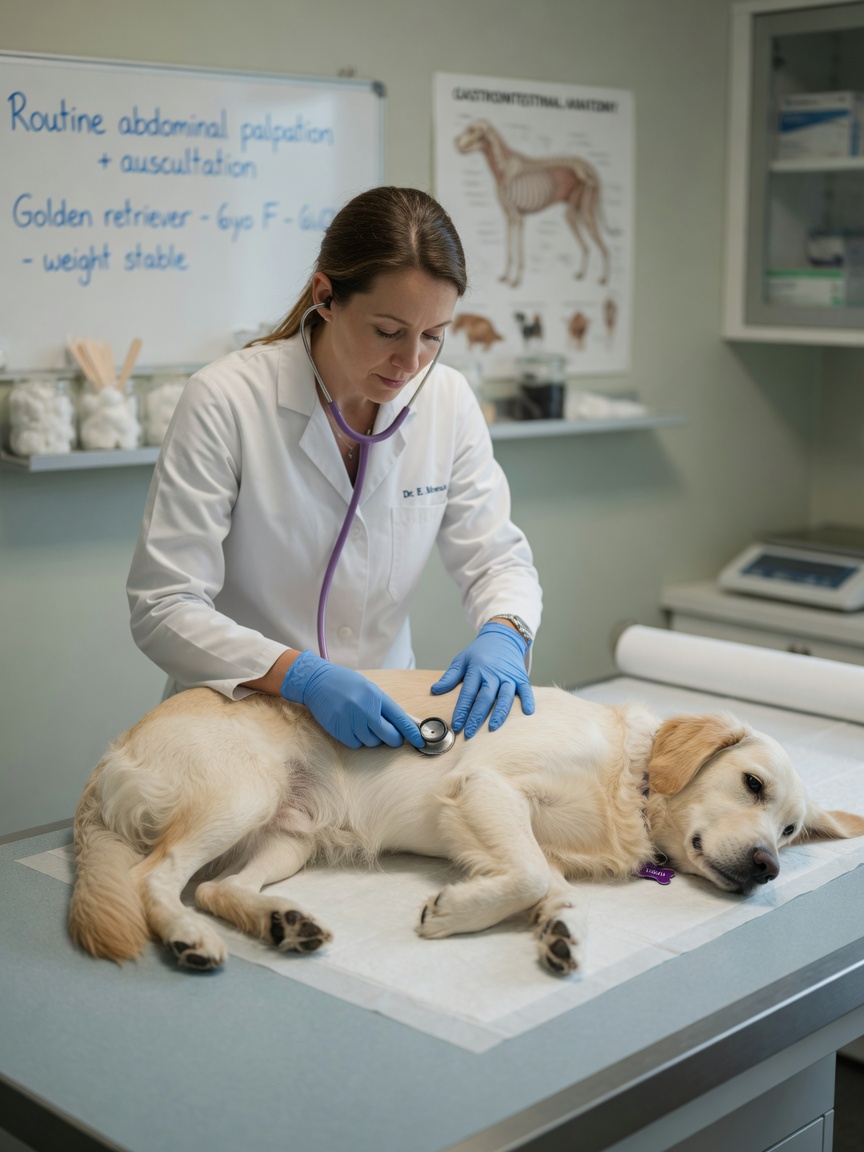
Your first step should always be a veterinary consultation. Many cases of house soiling relate to medical conditions rather than behaviour:
- Urinary tract infections (UTIs)
- Diabetes or hormonal imbalances
- Digestive disorders or food intolerances
- Incontinence related to age or spaying
- Intestinal parasites
Your vet can perform urine and faecal analyses to rule out these possibilities. Once medical issues are excluded, behavioural strategies become more effective.
Addressing Marking Behaviour
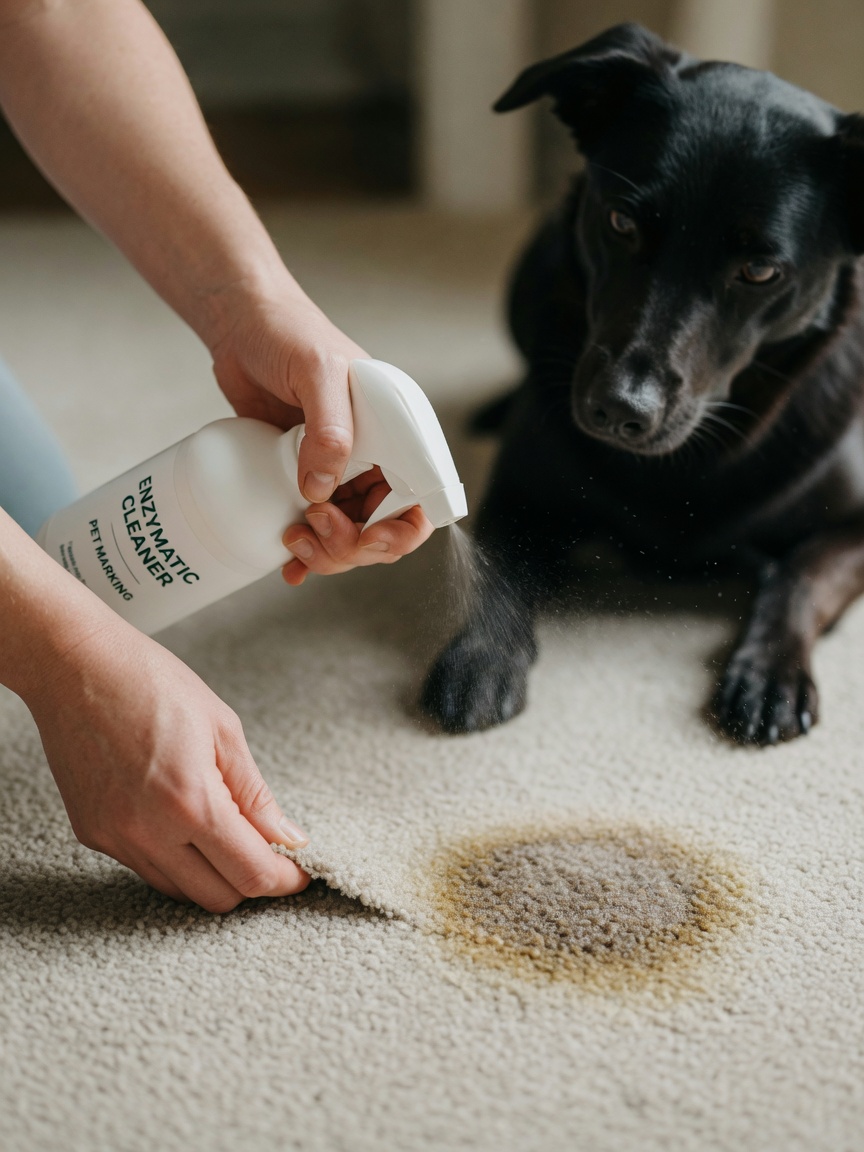
If your dog is marking rather than having accidents, consider these evidence-based approaches:
- Neutering or spaying: If not already done, this eliminates hormonal drivers in up to 50% of marking cases, particularly in males.
- Clean soiled areas thoroughly: Use enzymatic cleaners specifically designed for pet urine. Regular cleaners won't remove the scent, encouraging repeat marking.
- Restrict access: Confine your dog to areas you can supervise closely until marking stops.
- Manage stress triggers: Identify what prompts marking (new pets, changes in routine, visitors) and minimise exposure where possible.
- Interrupt and redirect: When you catch marking in progress, calmly interrupt and take your dog outside to their designated toilet area. Reward outdoor toileting immediately.
Tackling House Soiling and Incomplete Toilet Training
For dogs with genuine toileting accidents, consistency is key:
- Establish a strict toileting schedule with trips after waking, eating, and before bedtime
- Choose a designated outdoor toilet area and always take your dog there on lead
- Reward success enthusiastically with treats and praise within seconds of finishing
- Never punish accidents—this creates fear and confusion, often worsening the problem
- Use puppy pads or paper training only if truly necessary; they can confuse the concept of outdoor-only toileting
Environmental Modifications and Support
Create an environment that supports appropriate toileting:
- Install baby gates to prevent unsupervised access to carpeted areas
- Use washable rugs initially, progressing to permanent flooring as habits improve
- Consider crate training for times you cannot supervise—most dogs naturally avoid soiling their sleeping area
- Provide frequent outdoor breaks, especially for senior dogs or those with medical conditions
Key Takeaways
Resolving house soiling and marking requires patience and a systematic approach. Always start with a veterinary check-up to exclude medical causes. Distinguish between marking and soiling, then apply targeted strategies—neutering and stress management for marking, consistent toilet training for accidents. Throughout the process, maintain calm consistency, use enzymatic cleaners, and reward successes generously. Most dogs respond well within 4-8 weeks of implementing these strategies correctly. If problems persist despite your efforts, ask your vet for a referral to a certified animal behaviourist for personalised guidance.