

Choosing the right food for your dog is one of the most important decisions you'll make as a pet owner. With countless options lining supermarket shelves and online retailers, it's easy to feel overwhelmed. However, understanding what makes a dog food truly nutritious—rather than simply convenient or affordable—can transform your dog's health, energy levels, and longevity. This guide will help you navigate the world of canine nutrition with confidence.
Understanding Your Dog's Nutritional Needs
Dogs are primarily carnivores and require a diet rich in high-quality animal proteins. Unlike humans, they don't need vegetables or grains to survive, though some are beneficial. Key nutrients your dog needs include:
- Protein (for muscle maintenance and repair)
- Healthy fats (for skin, coat, and cognitive function)
- Vitamins and minerals (for immune function and bone health)
- Carbohydrates (for energy, though in moderation)
Your dog's specific needs vary by age, size, activity level, and health status. Puppies require more calories and calcium for growth, while senior dogs may benefit from joint-supporting supplements like glucosamine. Always consider your individual dog's requirements when selecting food.
Reading and Interpreting Pet Food Labels
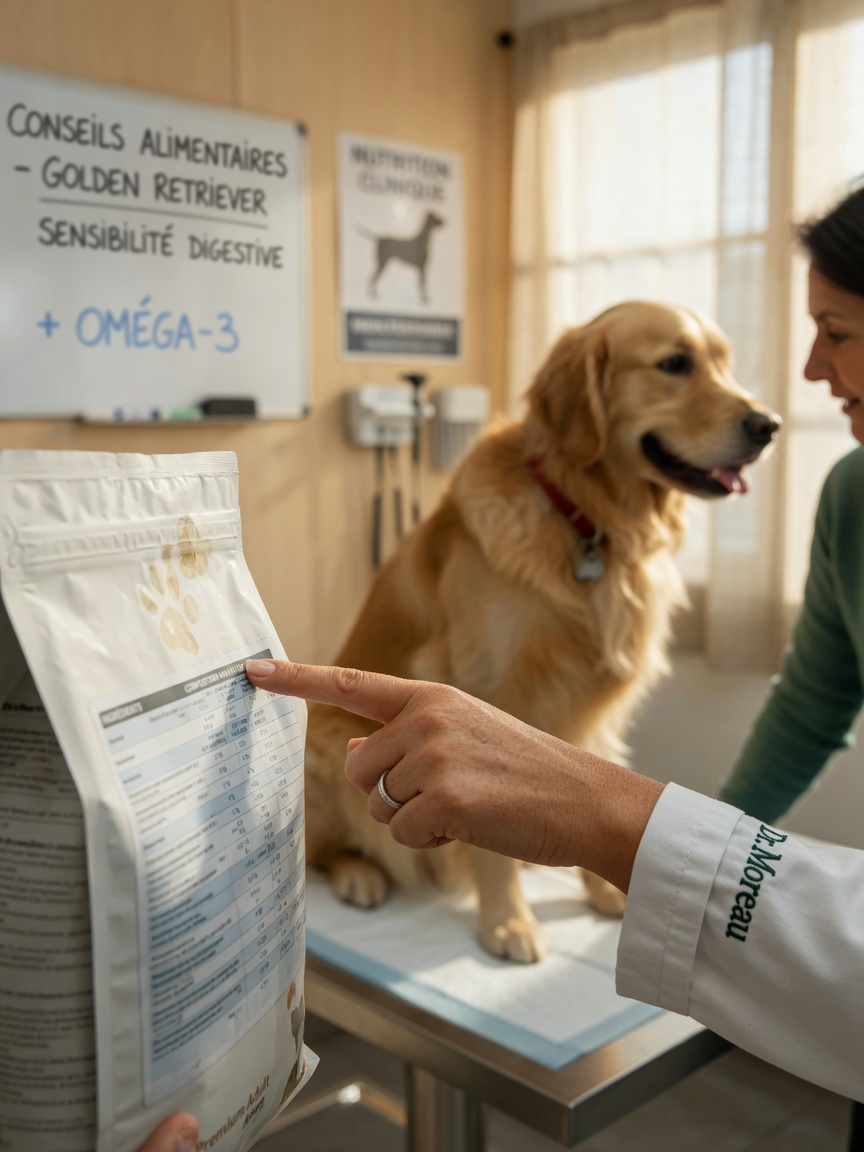
Pet food labels can be deceptive if you don't know what to look for. Here's what matters:
- Ingredients list: Listed by weight in descending order. Look for named meat sources (chicken, beef, fish) rather than vague terms like "meat meal" or "animal by-products."
- Protein percentage: Aim for at least 18% protein for adult dogs and 22% for puppies.
- AAFCO statement: The Association of American Feed Control Officials (AAFCO) statement confirms the food meets minimum nutritional standards. This should appear on every package.
- Avoid: Excessive fillers, artificial colours, and preservatives like BHA, BHT, or ethoxyquin.
Don't be swayed by marketing terms like "premium" or "natural"—these aren't legally defined and can be misleading. Stick to the science on the label instead.
Types of Dog Food: Weighing Your Options
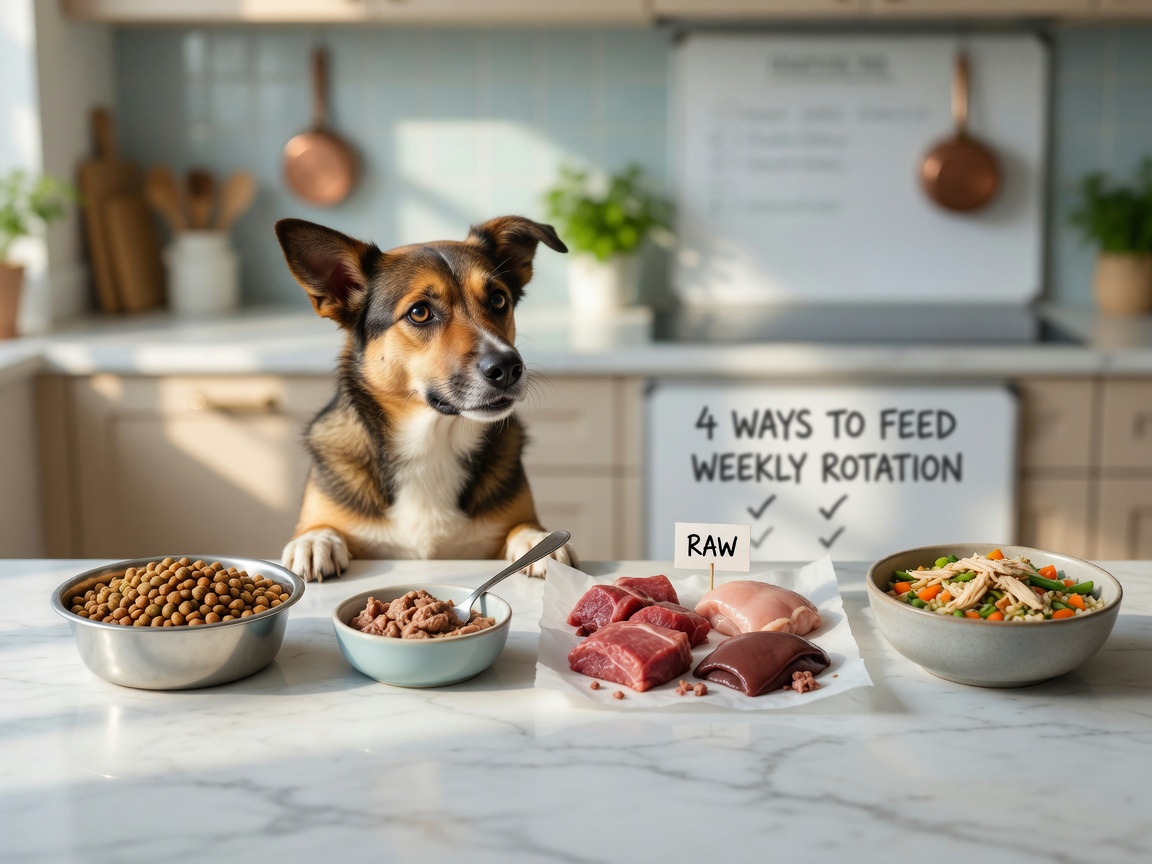
Different feeding approaches suit different dogs and lifestyles:
- Dry kibble: Convenient, affordable, and helps maintain dental health through chewing. Quality varies enormously.
- Wet/canned food: Higher moisture content aids hydration. Useful for dogs with dental problems or picky eaters, though typically more expensive.
- Raw diets: Increasingly popular, but require careful planning to ensure balanced nutrition. Consult your vet before starting.
- Home-cooked diets: Allow complete control over ingredients but need veterinary formulation to avoid nutritional imbalances.
Many dog owners find success with a combination approach—mixing different food types based on their dog's needs and circumstances.
Special Dietary Considerations
Some dogs have specific health needs requiring tailored nutrition:
- Allergies and sensitivities: Limited ingredient diets may help identify problematic foods.
- Weight management: Dogs prone to obesity benefit from controlled portions and higher protein, lower fat options.
- Digestive issues: Easily digestible proteins and added probiotics can support gut health.
- Medical conditions: Prescription or therapeutic diets may be necessary for kidney disease, diabetes, or joint problems.
If your dog has health concerns, always work with your veterinary surgeon to choose appropriate nutrition.
Making the Transition and Monitoring Progress
When introducing new food, transition gradually over 7-10 days to avoid digestive upset. Mix increasing amounts of new food with the old until you've made a complete switch.
Monitor your dog's condition regularly: coat quality should be glossy, energy levels stable, and stools consistent and firm. Annual vet check-ups help catch any nutritional deficiencies early.
Key Takeaways
Finding healthy dog food requires knowledge and attention, but the investment pays dividends. Prioritise named meat sources, aim for appropriate protein levels, verify AAFCO compliance, and choose foods based on your individual dog's needs rather than marketing claims. When in doubt, consult your veterinary surgeon—they can recommend foods suited to your dog's age, size, activity level, and health status. Your dog's nutrition is the foundation of their long, healthy life.