
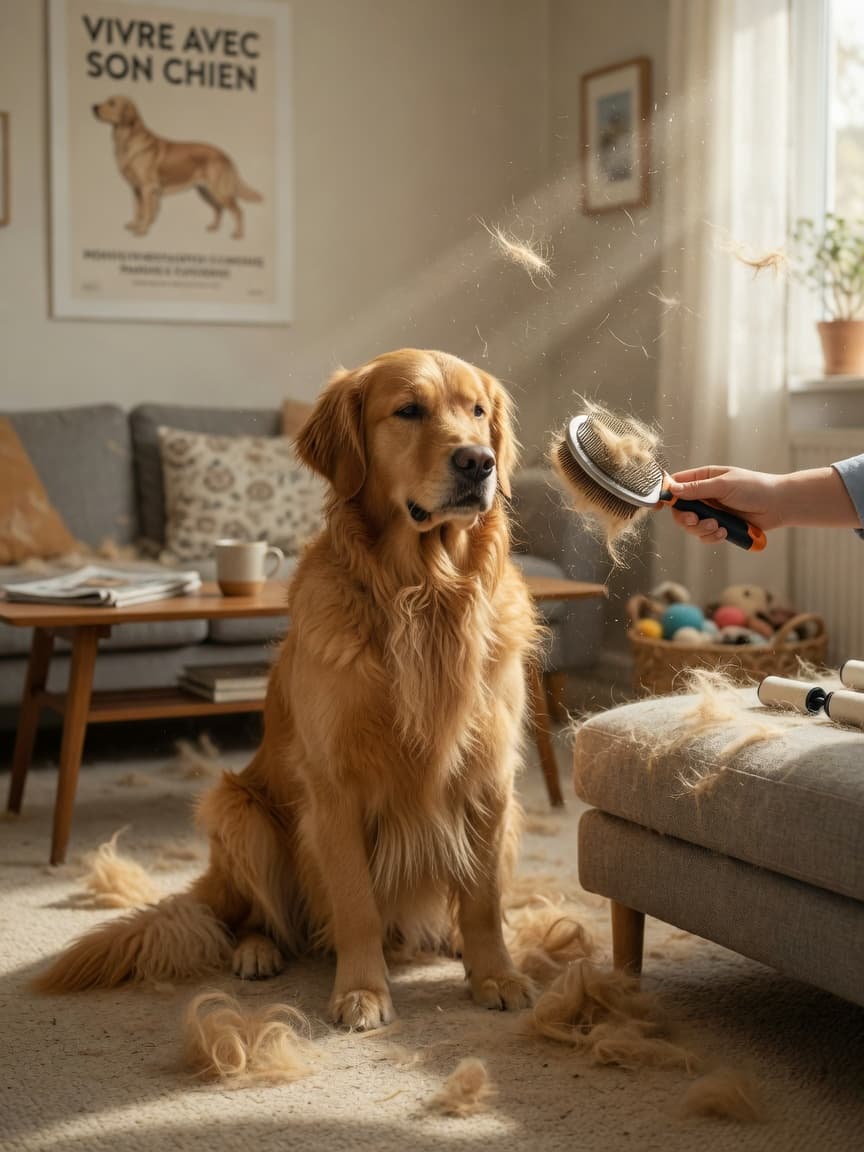
If you're a dog owner, you've likely discovered dog hair in places you never thought possible — on your clothes, furniture, and perhaps even in your morning coffee! Shedding is a completely natural process for most dogs, but it can feel overwhelming without the right strategies. The good news is that with proper understanding and consistent management, you can significantly reduce the amount of loose hair around your home whilst keeping your furry friend healthy and comfortable.
Understanding Why Dogs Shed
Before tackling solutions, it's important to understand why dogs shed in the first place. Dogs naturally shed to remove old, damaged, or excess fur. Most dogs shed year-round, with increased shedding during spring and autumn as they transition between seasonal coats. However, some breeds shed more heavily than others, and indoor dogs may shed consistently throughout the year due to artificial lighting and central heating affecting their natural cycles.
Shedding can also indicate nutritional deficiencies, allergies, stress, or skin conditions. If your dog is shedding excessively or in unusual patterns, it's worth consulting your veterinarian to rule out underlying health issues.
Regular Grooming: Your First Line of Defence
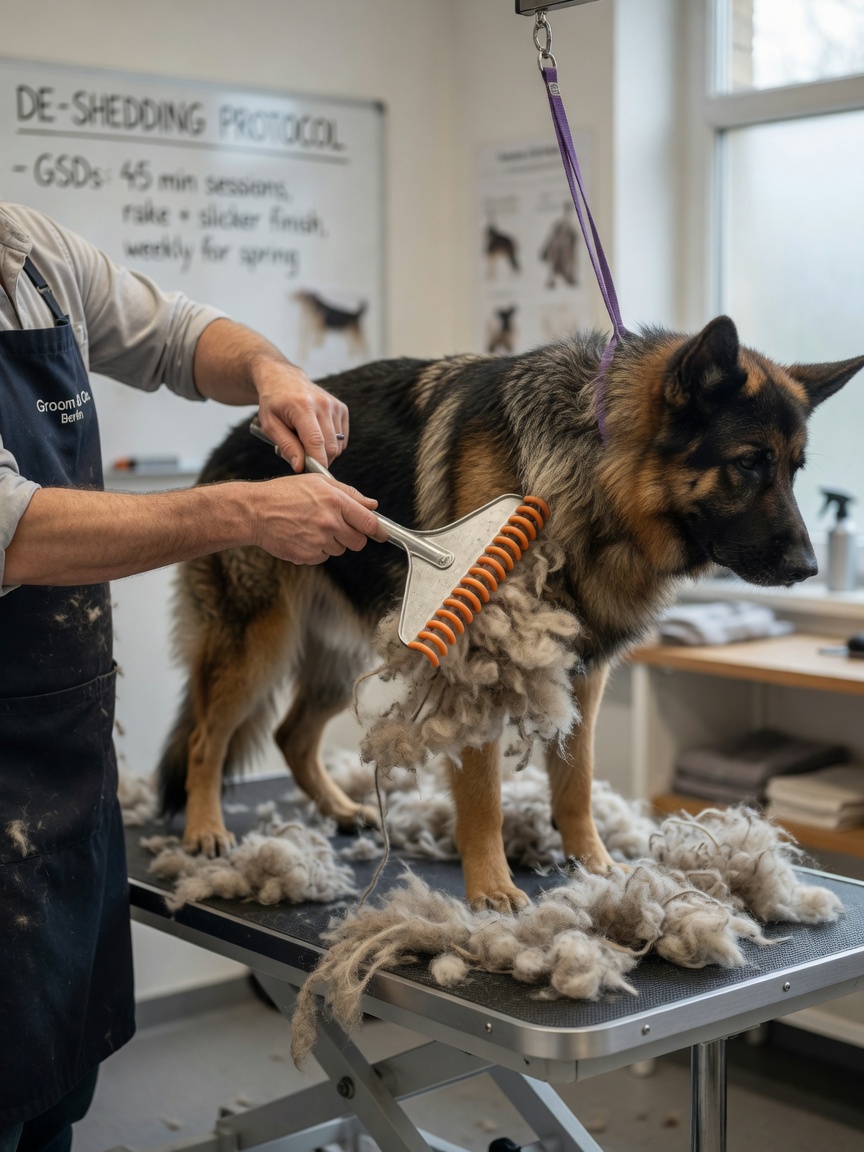
Consistent grooming is the most effective way to manage shedding. By removing loose fur before it falls onto your carpets and furniture, you'll dramatically reduce the hair in your home.
- Brush daily during peak shedding seasons — Use a de-shedding tool or slicker brush to remove loose undercoat. This is far more effective than waiting for hair to fall naturally
- Choose the right tools — Different coat types require different brushes. Double-coated breeds benefit from undercoat rakes, whilst smooth-coated dogs do well with bristle brushes
- Bathe your dog regularly — A warm bath with a high-quality dog shampoo can loosen dead hair, making it easier to brush out afterwards
- Consider professional grooming — A qualified groomer can provide a thorough de-shedding treatment every 6-8 weeks
Nutrition and Supplements
A dog's coat health directly reflects their internal health. Providing optimal nutrition is essential for minimising excessive shedding.
- Feed a high-quality dog food rich in omega-3 and omega-6 fatty acids
- Ensure adequate protein intake, as hair is primarily composed of protein
- Consider adding fish oil supplements after consulting your veterinarian
- Maintain proper hydration — encourage your dog to drink plenty of fresh water daily
Environmental and Lifestyle Factors
Beyond grooming and nutrition, several environmental factors influence shedding intensity. Managing stress through regular exercise and play reduces cortisol levels, which can trigger excessive hair loss. Ensure your home maintains moderate humidity levels, as very dry air can irritate skin and increase shedding. Additionally, maintain a consistent sleep schedule, as sleep deprivation stresses dogs and can worsen shedding.
Managing Shed Hair at Home
Even with excellent prevention, some shedding is inevitable. Make cleanup easier with these practical strategies:
- Use lint rollers and furniture covers strategically
- Invest in a powerful vacuum designed for pet hair
- Wash dog bedding weekly to catch loose fur
- Use washable throws on favourite furniture spots
When to Seek Veterinary Advice
Excessive or abnormal shedding warrants professional evaluation. Consult your vet if you notice bald patches, skin irritation, or sudden increases in hair loss, as these may indicate allergies, parasites, hormonal imbalances, or other medical conditions.
Key Takeaways
Managing dog shedding effectively combines regular grooming, optimal nutrition, environmental awareness, and home management strategies. By implementing these evidence-based approaches, you'll enjoy a cleaner home whilst promoting your dog's overall health and wellbeing. Remember, shedding is natural — but with the right tools and consistency, it needn't take over your life!