
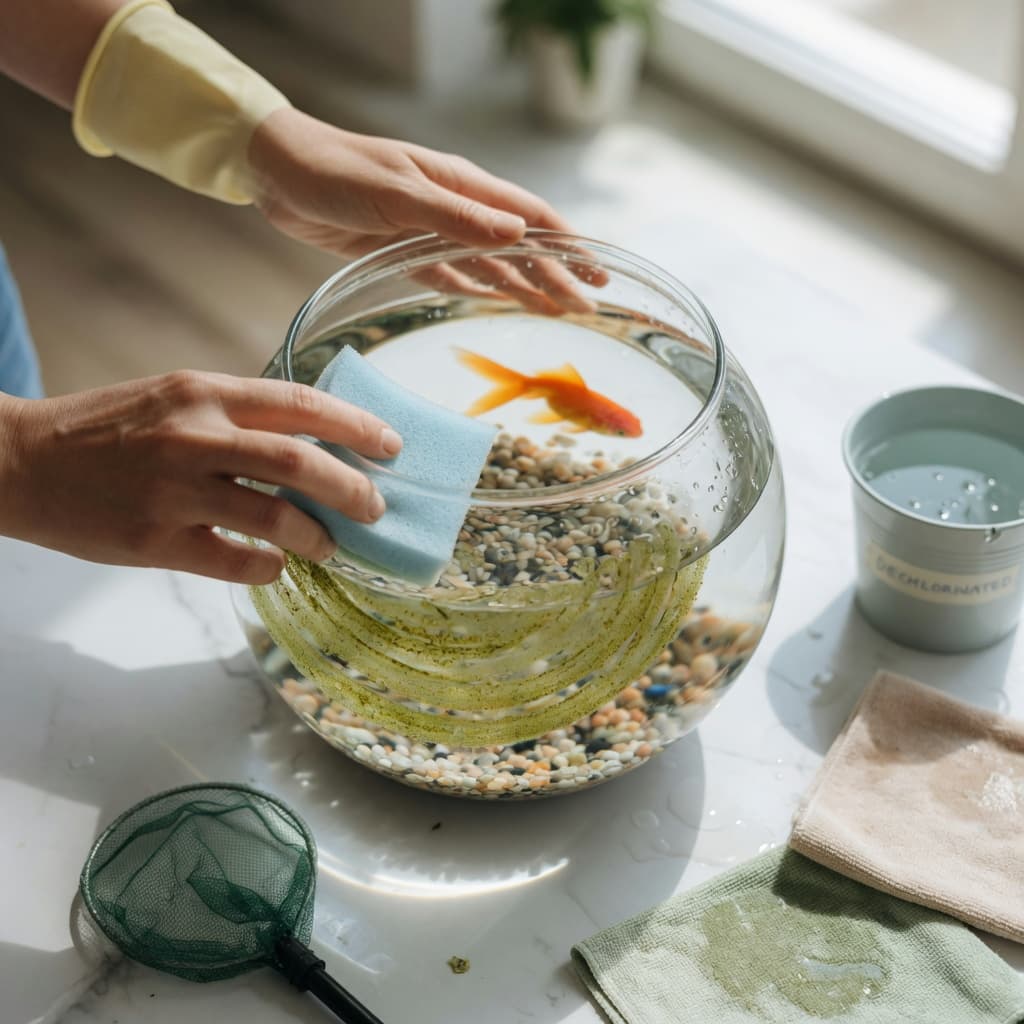
Maintaining a clean fishbowl is one of the most fundamental responsibilities of fish ownership, yet many pet owners underestimate its importance for their aquatic companions' health and wellbeing. A properly cleaned fishbowl not only keeps your fish healthier and happier but also prevents the build-up of harmful bacteria and ammonia that can lead to serious illness. Whether you're a seasoned aquarist or a complete beginner with a single goldfish, understanding the correct cleaning techniques will transform your approach to fishbowl maintenance and significantly extend your fish's lifespan.
Understanding Your Fish's Needs
Before diving into the cleaning process, it's essential to recognise that fish are far more sensitive to their environment than many people realise. Their gills are delicate organs that absorb oxygen from water, and any accumulation of waste, uneaten food, or algae can compromise water quality rapidly. Unlike terrestrial pets, fish live in a closed ecosystem where toxins build up quickly. Regular cleaning removes harmful substances whilst maintaining beneficial bacteria that help regulate the tank's nitrogen cycle.
Basic Supplies You'll Need
Gather these items before you begin:
- A separate clean container or temporary tank for your fish
- A soft sponge or algae scraper (never use soap or harsh chemicals)
- Aquarium gravel vacuum or siphon
- Clean buckets dedicated solely to fishbowl maintenance
- Dechlorinated water at room temperature
- A fine net for handling fish safely
- Lint-free cloths for drying
Step-by-Step Cleaning Process
Step 1: Prepare a temporary home
Fill your temporary container with water from the existing fishbowl. This water contains beneficial bacteria that will reduce shock for your fish. Using a soft net, gently transfer your fish to this temporary container.
Step 2: Remove debris and perform gravel cleaning
If your fishbowl has gravel, use a gravel vacuum to remove waste and uneaten food from the bottom. This is where most harmful ammonia accumulates. Work slowly and carefully to avoid disturbing excessive sediment.
Step 3: Scrub surfaces gently
Using a soft sponge or algae scraper, remove algae from the glass walls. Never use abrasive materials that could scratch the bowl or create rough surfaces where bacteria proliferate. Pay special attention to corners where algae tends to accumulate.
Step 4: Rinse decorations and plants
Remove any plastic plants, decorations, or equipment. Rinse each item thoroughly under running water, using a soft brush to dislodge algae without damaging the items.
Step 5: Perform water change
Replace approximately 25-50% of the water with fresh, dechlorinated water at the same temperature. Never use chlorinated tap water directly, as chlorine damages fish gills. If your tap water is heavily chlorinated, purchase dechlorination drops from any aquatics supplier.
Step 6: Return your fish carefully
Once all elements are reassembled, acclimate your fish by gradually introducing them back to the cleaned bowl. Use the net gently to transfer them, allowing them to adjust to the refreshed environment.
Cleaning Frequency Recommendations
For a standard fishbowl housing one or two small fish, perform a partial water change and surface clean weekly. Complete bowl cleanings should occur monthly. Overcrowded bowls require more frequent maintenance—sometimes twice weekly—as waste accumulates faster. Observe your water clarity; if it becomes cloudy or develops an odour, clean immediately regardless of schedule.
Key Takeaways
Maintaining a clean fishbowl needn't be complicated. Consistency is more important than intensity—regular small cleanings prevent the need for emergency interventions. Always prioritise gentleness when handling your fish and their environment, avoid chemical cleaners entirely, and use only room-temperature dechlorinated water. By implementing these straightforward practices, you'll create a thriving aquatic home where your fish can flourish for years to come.