
Bringing a new puppy into your home is an exciting decision, but it's also one that requires careful consideration. Choosing the right breeder can mean the difference between years of good health and happiness, or potential heartache and substantial veterinary bills. A responsible breeder prioritises the wellbeing of their dogs above all else, conducts health screening, and genuinely cares where their puppies end up. In this guide, we'll explore the essential steps to identifying a reputable dog breeder who can give your family a healthy, well-socialised companion.
Research the Breed Thoroughly
Before you even begin looking at breeders, invest time in understanding your chosen breed. Different breeds have distinct health predispositions, energy levels, and care requirements. Visit breed club websites, speak with breed experts, and read breed standards. This knowledge allows you to ask intelligent questions when contacting breeders and helps you identify red flags.
- Check the Kennel Club's breed information pages
- Join breed-specific online forums and social media groups
- Understand the genetic health issues common to your chosen breed
- Consider whether the breed's temperament suits your lifestyle
Look for Health Testing and Transparency
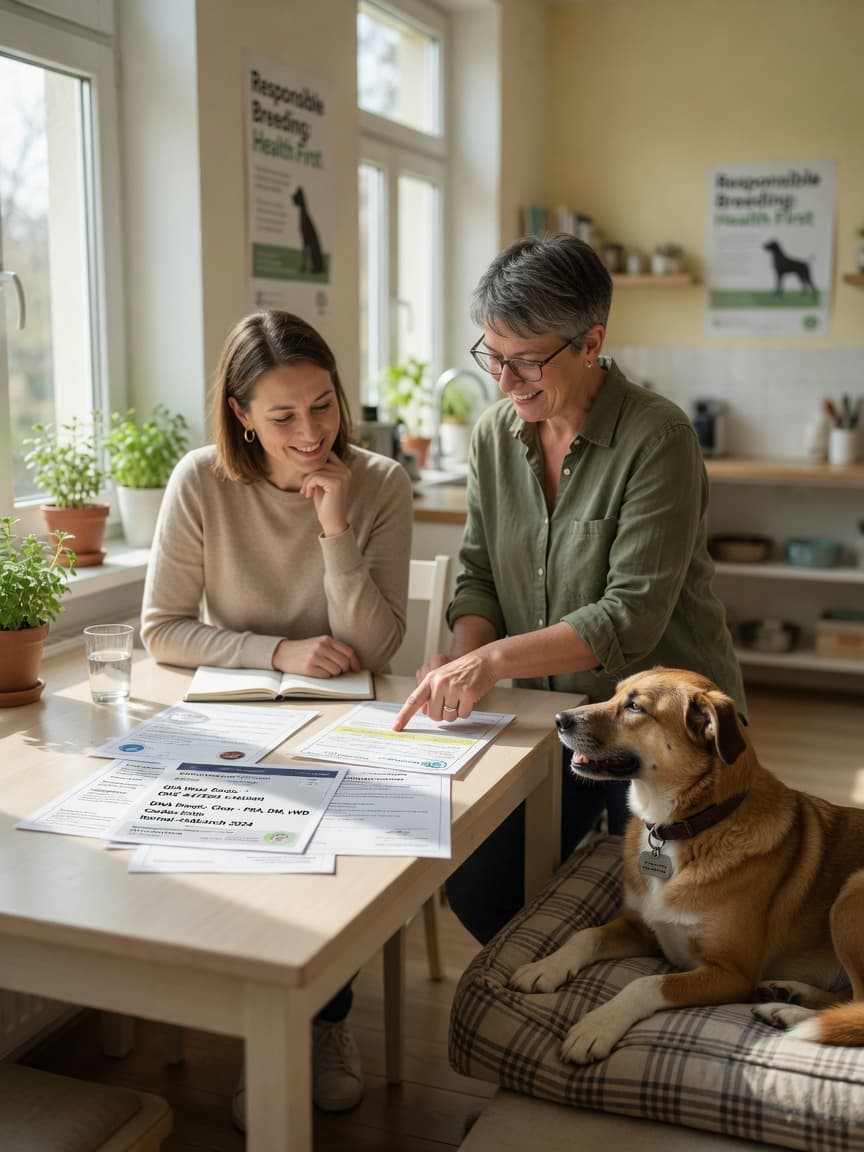
Responsible breeders conduct health screening on their breeding dogs before producing litters. This typically includes eye testing (BVA/KC/ISDS Eye Scheme), hip and elbow scoring, and breed-specific genetic tests. A reputable breeder will willingly share these results and explain what they mean.
Ask prospective breeders for documented evidence of:
- Hip and elbow scores from both parents
- Eye test certificates (within the last 12 months)
- Breed-specific DNA testing results
- Health guarantees for genetic conditions
- Vaccination records and microchipping details
Any breeder reluctant to discuss health testing or who claims it's "unnecessary" should be avoided entirely.
Assess Their Knowledge and Dedication
A genuine breeder loves their dogs and breed with real passion. They'll ask you extensive questions about your home, family, and lifestyle to ensure a good match. They should also provide aftercare advice and remain available throughout your dog's life to answer questions or take the dog back if circumstances change.
Red flags include:
- Breeders who don't ask you any questions
- Those who will sell to anyone willing to pay
- Reluctance to discuss their breeding practices
- No ongoing support or communication after purchase
- Multiple litters available at once
Meet the Parents and Facilities
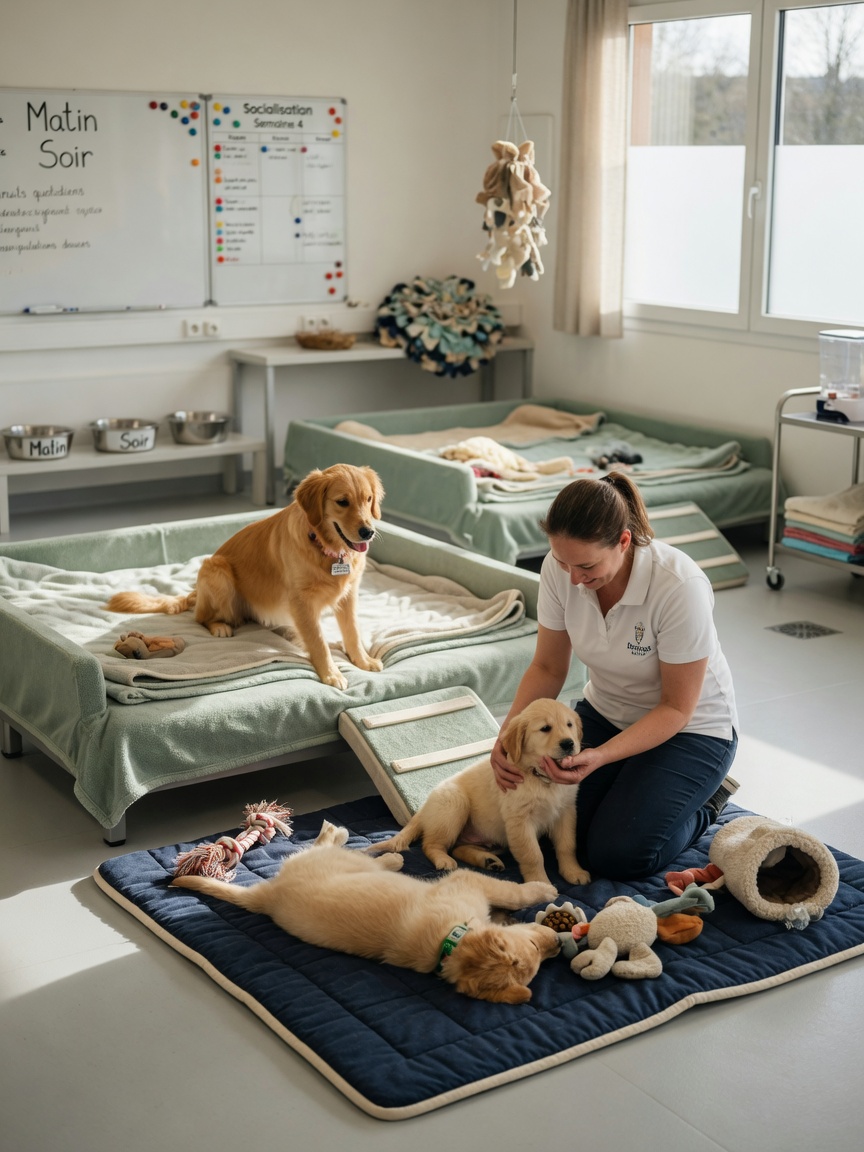
Always insist on visiting the breeder's premises and meeting at least the dam (mother). Observing the environment where puppies are raised tells you much about their socialisation and early care. The facility should be clean, organised, and the dogs should appear healthy and content.
During your visit, evaluate whether:
- The living conditions are clean and appropriate
- The dogs appear well-socialised and confident
- You feel comfortable with how they're treated
- The breeder is happy to answer all your questions
- Puppies have been exposed to normal household sounds and experiences
Verify Registration and Documentation
Request Kennel Club registration certificates and ensure parents are registered. Registered breeders adhere to a Code of Ethics that prioritises dog welfare. Ask for a written contract that outlines health guarantees, your responsibilities, and the breeder's commitment to the puppy's wellbeing.
Key Takeaways
Choosing a responsible breeder requires time and research, but the investment pays dividends through years of companionship with a healthy puppy. Look for transparent health testing, genuine passion for the breed, willingness to answer questions, and reasonable expectations about costs. Remember: quality breeding costs money, and suspiciously cheap puppies often come with expensive health problems. Trust your instincts, and if something doesn't feel right, keep looking. Your perfect puppy is waiting with a breeder who truly cares.