
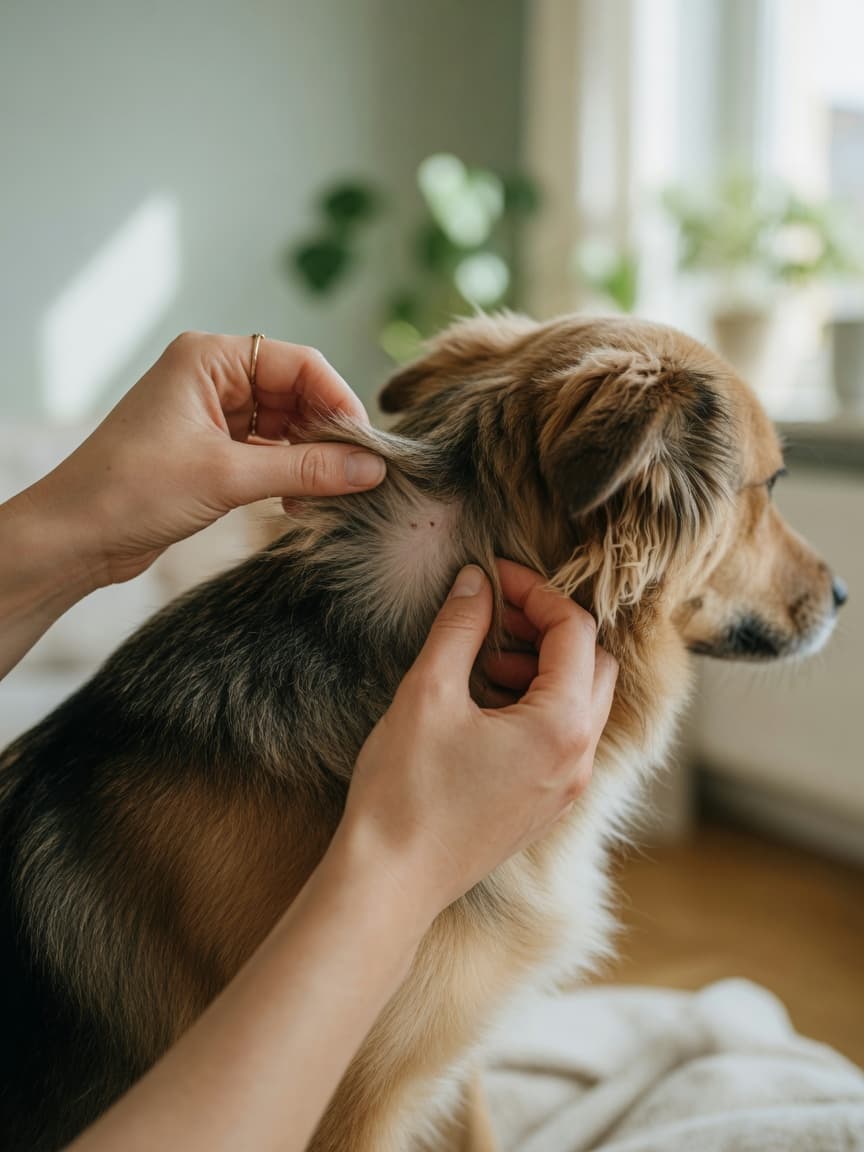
Discovering a tick on your beloved dog can be unsettling, but regular tick checks are one of the most effective ways to protect your pet from tick-borne illnesses. Whether your dog enjoys country walks, visits to the park, or simply plays in your garden, ticks are a common threat across Europe. Learning how to properly check for and identify ticks will give you confidence and peace of mind. This guide will walk you through everything you need to know about tick detection and safe removal.
Why Regular Tick Checks Matter
Ticks don't just cause discomfort—they can transmit serious diseases including Lyme disease, babesiosis, and anaplasmosis. The longer a tick remains attached to your dog, the greater the risk of disease transmission. Most disease transmission occurs after 24–48 hours of attachment, making prompt detection and removal crucial. Regular checks, particularly after outdoor activities, can catch ticks before they become a health concern.
When and Where to Check
The best time to check your dog for ticks is immediately after outdoor activities, especially during spring and autumn when tick populations peak. Focus on these high-risk areas:
- Around the ears and inside ear flaps
- The neck and under the collar
- Armpits and between the front legs
- The groin and between the hind legs
- Between the toes and paw pads
- Around the tail and bottom area
- Skin folds and under the fur along the body
These warm, protected areas are where ticks prefer to attach.
Step-by-Step Tick Checking Technique
- Choose a calm environment: Ensure your dog is relaxed and comfortable. Use good lighting to help you see clearly.
- Part the fur: Gently part your dog's coat with your fingers or a comb to examine the skin beneath.
- Feel for bumps: Run your hands across your dog's body, feeling for small bumps or irregular textures that might indicate a tick.
- Look carefully: Part the fur in suspicious areas and look for small, dark, or grey creatures. Early-stage ticks are the size of a pinhead, whilst engorged ticks are larger and more obvious.
- Use a systematic approach: Work methodically from head to tail, checking both sides of the body.
This comprehensive approach ensures you won't miss any hitchhikers.
Safe Tick Removal
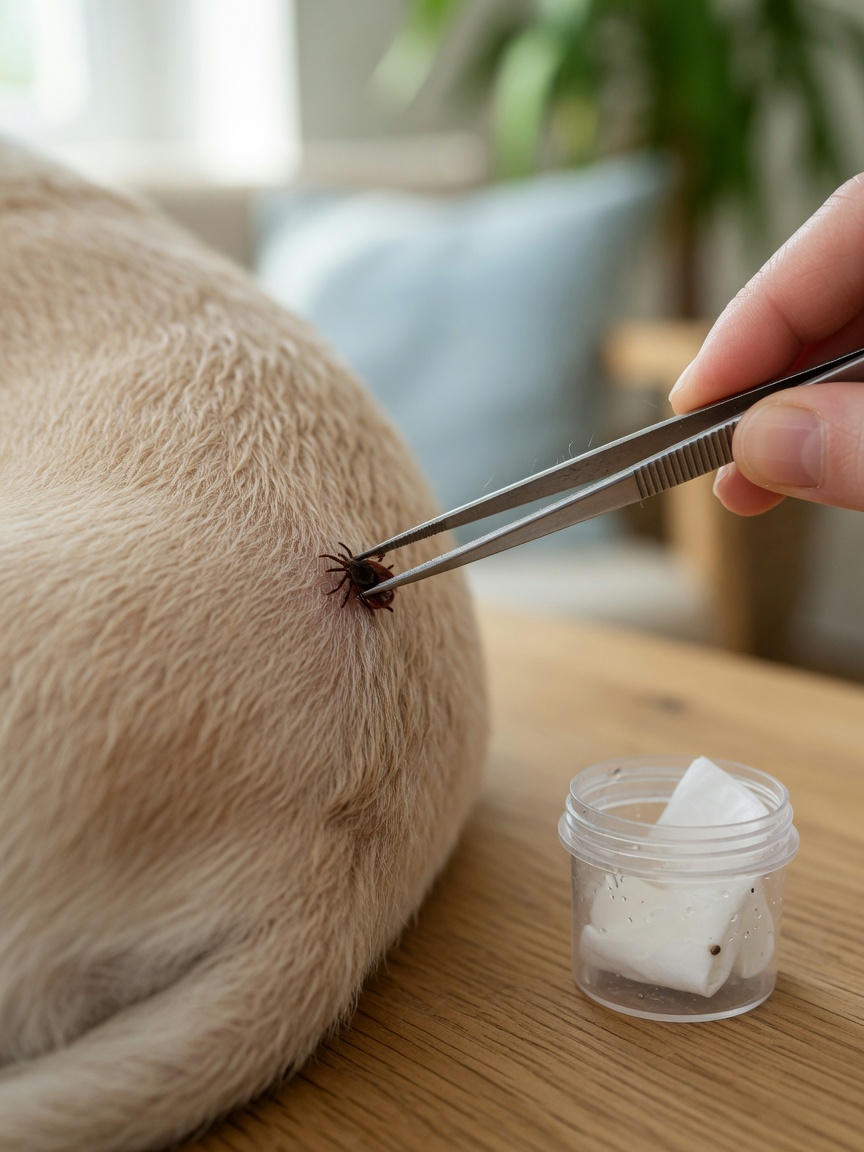
If you find a tick, remove it promptly and safely:
- Use fine-tipped tweezers or a tick removal tool (widely available from veterinary practices)
- Grasp the tick as close to the skin as possible
- Pull steadily and directly outward—avoid twisting or jerking
- Never crush the tick, as this may squeeze pathogens into your dog's skin
- Don't use petroleum jelly, alcohol, or lit matches—these are ineffective and potentially harmful
- Place the tick in a sealed container with a damp tissue for identification if needed
- Clean the area with antiseptic and wash your hands thoroughly
Prevention is Key
Whilst regular checks are essential, prevention is even better. Discuss tick prevention options with your veterinary surgeon. Prescription treatments are available as collars, spot-on applications, and tablets, many of which offer protection for several weeks.
Key Takeaways
Regular tick checks combined with effective prevention create a robust defence against these parasites. Make tick inspection a habit after every outdoor adventure, focusing on warm skin folds where ticks prefer to hide. If you discover a tick, remove it carefully and promptly using proper technique. Should you find multiple ticks or notice any signs of illness in your dog, contact your veterinary surgeon immediately. With vigilance and the right approach, you can keep your dog healthy and tick-free throughout the year.