ForPetsHealthcare
Dogs

How to Brush Your Dog's Teeth: Step-by-Step Guide

By Julia WrenfieldUpdated August 4, 20262 min read
Evidence-based · Sources checked
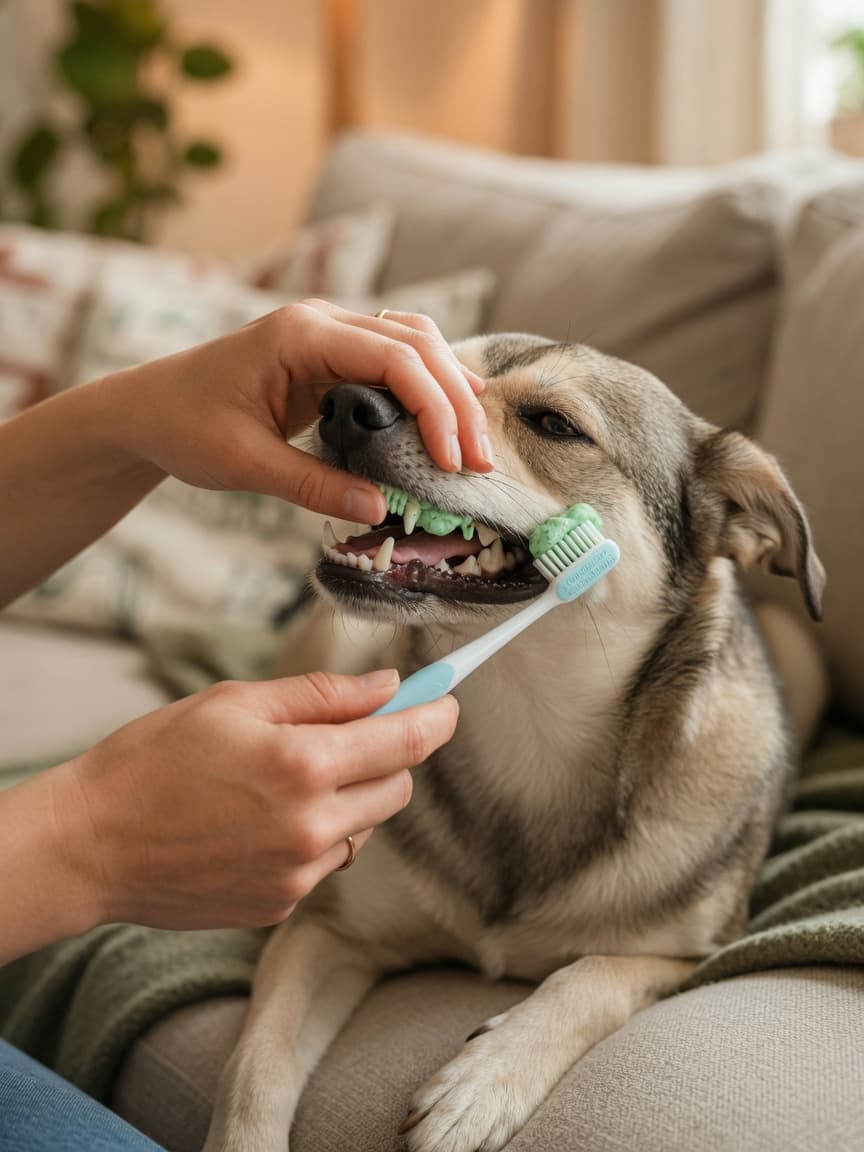
{"en": "Dog receiving dental care as owner brushes teeth with small toothbrush", "es": "Due\u00f1o cepillando los dientes de un perro con un cepillo dental peque\u00f1o", "fr": "Propri\u00e9taire brossant les dents d'un chien avec une petite brosse \u00e0 dents", "de": "Hundebesitzer putzt Z\u00e4hne eines Hundes mit kleiner Zahnb\u00fcrste", "nl": "Hondeigenaar poetst tanden van hond met kleine tandenborstel", "pt": "Propriet\u00e1rio escovando dentes de cachorro com escova de dentes pequena", "it": "Proprietario che spazzola i denti del cane con uno spazzolino piccolo"}

Dental disease affects 80% of dogs over 3 years old. Daily toothbrushing is the single most effective preventive measure — and most dogs can learn to enjoy it.

Why It Matters
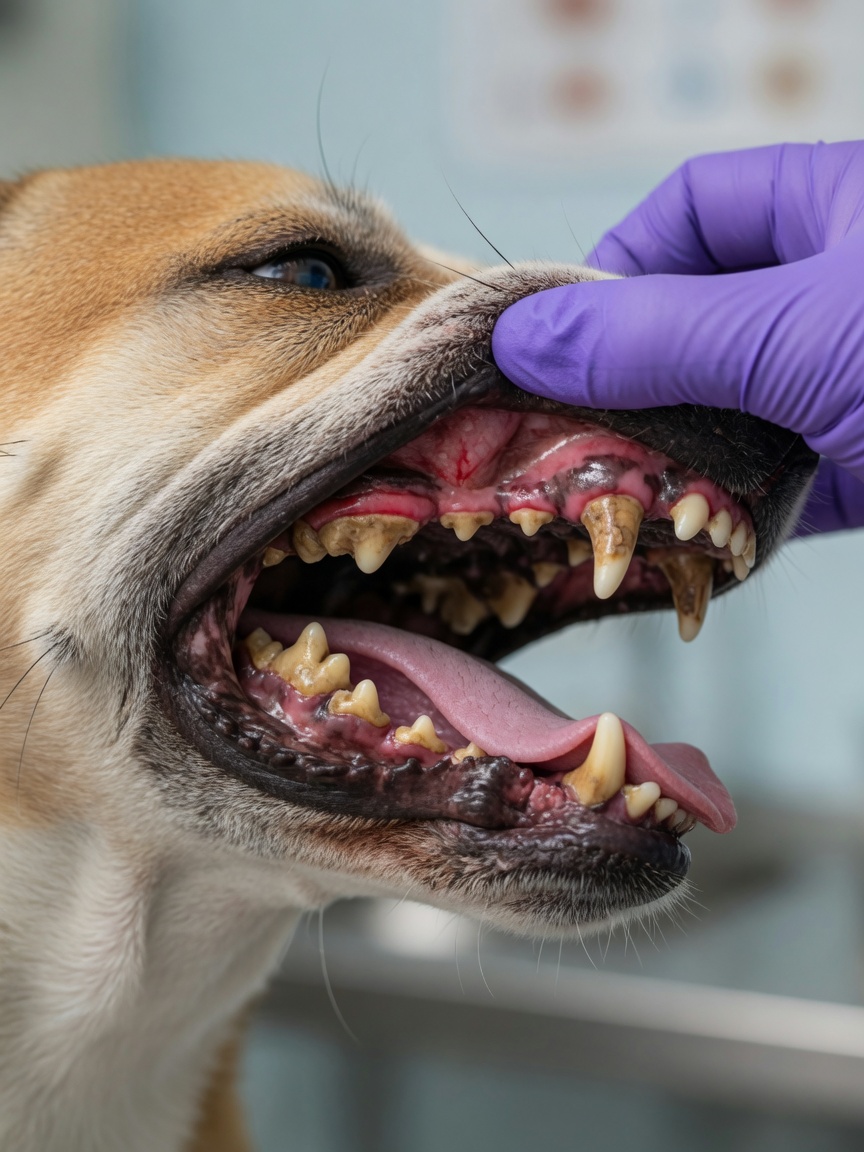
Close-up of a dog's mouth showing tartar buildup and reddened gums during veterinary dental examination

Plaque forms on teeth within 24 hours. Without removal, it mineralises into tartar within 3 days. Tartar causes gum disease (periodontal disease), which is painful, causes tooth loss, and allows bacteria to enter the bloodstream — affecting the heart, kidneys, and liver.

What You Need

  • Dog-specific toothpaste (never human toothpaste — xylitol and fluoride are toxic to dogs)
  • Finger brush or soft-bristled dog toothbrush
  • Patience and positive reinforcement

Step-by-Step Introduction (Take 2–4 Weeks)

  1. Week 1: Let dog lick a small amount of dog toothpaste from your finger. Reward well.
  2. Week 2: Rub the toothpaste on teeth and gums with your finger. Reward well.
  3. Week 3: Introduce the toothbrush with toothpaste. Let them lick it first.
  4. Week 4: Begin gentle brushing — outer surfaces of teeth, using circular motions. The inside surfaces collect less plaque; focus on outside.

Key Points

  • Always end on a positive note
  • Keep sessions short (30 seconds is fine initially)
  • Daily is ideal; a minimum of 3× per week still provides meaningful benefit
#how to brush dogs teeth#dog health#dog nutrition#forpetshealthcare

Sources & further reading

This article is based on peer-reviewed veterinary research and reputable animal-health sources. Explore the underlying science in our Research Library.

Related articles

The 19 Best Animal Shelters in the Netherlands (2026)

the Netherlands's animal shelters, rescue associations and refuges save thousands of dogs, cats and other animals every year, almost always on tiny budgets and volunteer power. To build the most objective ranking possible, we analysed public Google reviews across more than 56 registered animal-prote…

Read more →

The 25 Best Animal Shelters in Italy (2026)

Italy's animal shelters, rescue associations and refuges save thousands of dogs, cats and other animals every year, almost always on tiny budgets and volunteer power. To build the most objective ranking possible, we analysed public Google reviews across more than 121 registered animal-protection org…

Read more →

The 48 Best Animal Shelters in Germany (2026)

Germany's animal shelters, rescue associations and refuges save thousands of dogs, cats and other animals every year, almost always on tiny budgets and volunteer power. To build the most objective ranking possible, we analysed public Google reviews across more than 152 registered animal-protection o…

Read more →

The 32 Best Animal Shelters in France (2026)

France's animal shelters, rescue associations and refuges save thousands of dogs, cats and other animals every year, almost always on tiny budgets and volunteer power. To build the most objective ranking possible, we analysed public Google reviews across more than 89 registered animal-protection org…

Read more →

The 8 Best Animal Shelters in Portugal (2026)

Portugal's animal shelters, rescue associations and municipal centros de recolha save thousands of dogs, cats and other animals every year, almost always on tiny budgets and volunteer power. To build the most objective ranking possible, we analysed public Google reviews across more than 86 registere…

Read more →

Sphynx Cat Skin care and hygiene: Causes, Signs & Care

Sphynx cats have little to no coat, which means the skin itself takes on jobs that fur normally does — insulation, oil dispersal, and barrier protection — leaving it prone to greasiness, blocked pores, fungal infections, and sunburn. The single most important thing to know is that a Sphynx's skin ne…

Read more →
Disclaimer:This article is for informational purposes only and does not constitute veterinary advice. Always consult a qualified veterinarian for your pet's health concerns.

Free newsletter

Pet health tips, straight to your inbox

Weekly science-backed advice for dog & cat owners. No spam, unsubscribe anytime.