
Boiled chicken is one of the most nutritious, affordable, and vet-recommended additions to your dog's diet. Whether you're preparing a bland meal for a poorly pup, supplementing their regular food, or simply offering a wholesome treat, plain boiled chicken is a safe, protein-rich option that most dogs love. In this guide, I'll walk you through the exact steps to prepare chicken safely for your canine companion, along with storage tips and important considerations to keep in mind.
Why Boiled Chicken Is Excellent for Dogs
Boiled chicken offers several benefits for our four-legged friends. It's an excellent source of lean protein, essential for muscle maintenance and repair. Unlike processed dog treats, plain boiled chicken contains no artificial additives, excessive sodium, or hidden ingredients that could upset sensitive tummies. Many veterinarians recommend boiled chicken as part of a bland diet for dogs with digestive upset, and it's an ideal protein source for dogs with allergies or sensitivities to commercial foods.
The 5-Step Guide to Boiling Chicken for Dogs
- Select Boneless, Skinless Chicken Breasts: Purchase fresh, high-quality chicken breasts from your local supermarket. Boneless, skinless varieties are safest for dogs, as cooked bones can splinter and cause serious injuries. Avoid any chicken that appears discoloured or has an off smell.
- Rinse Thoroughly: Place the chicken breasts under cool, running water and rinse both sides well. This removes any surface bacteria and debris. Pat dry with clean kitchen paper.
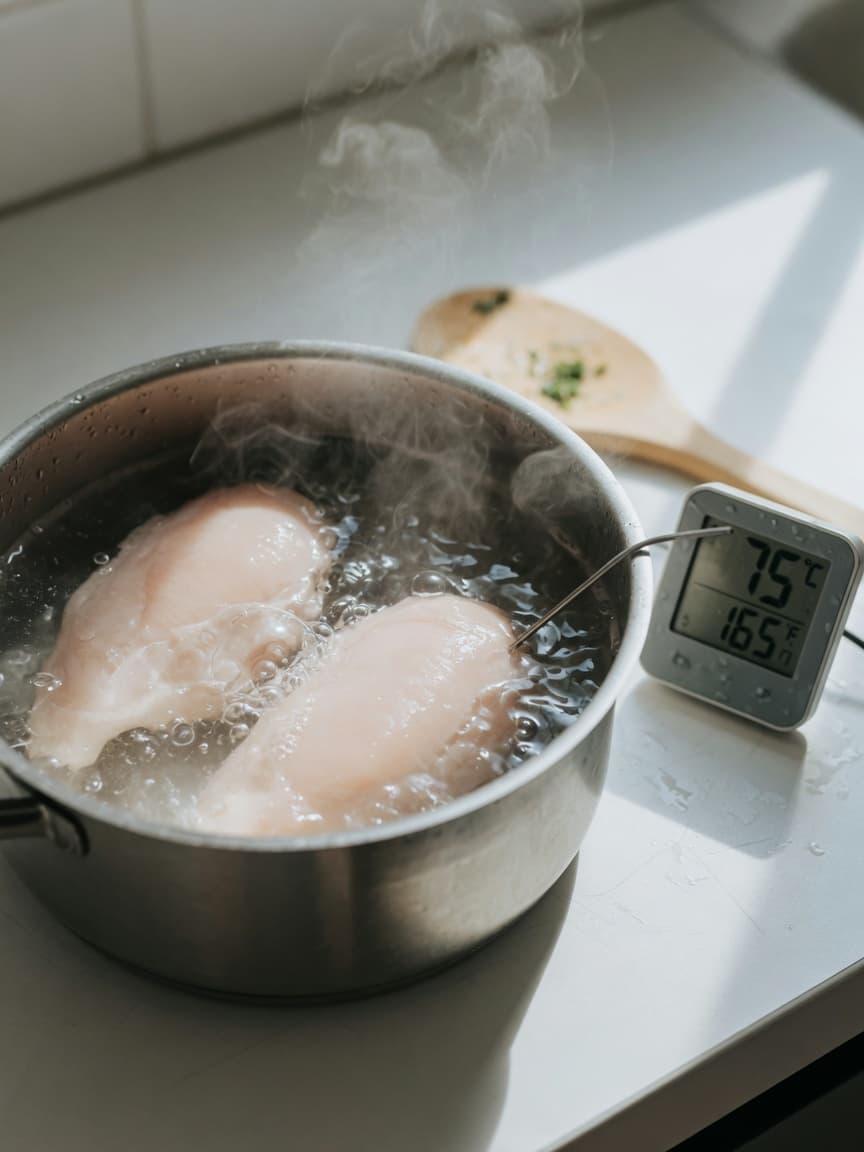
- Place in a Pot with Water: Add the chicken to a large pot and cover completely with water. Use enough water so the chicken is submerged by at least 5 centimetres. Do not add salt, seasonings, garlic, onions, or any other ingredients—these can be harmful to dogs.
- Bring to a Boil, Then Simmer: Bring the water to a rolling boil, then reduce the heat to medium-low. Simmer for 12–15 minutes, depending on the thickness of the breasts. The chicken is done when it reaches an internal temperature of 75°C (165°F) and the meat is no longer pink in the centre.
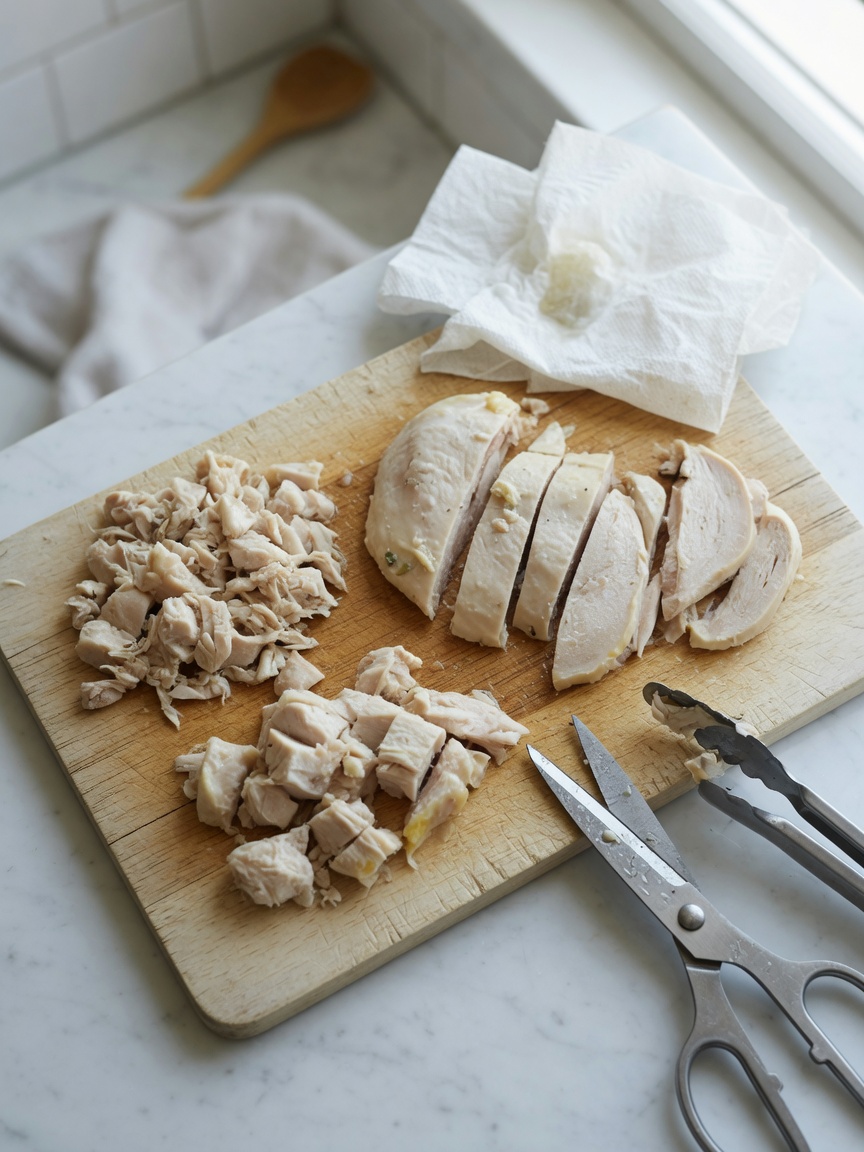
- Cool and Cut into Appropriate Pieces: Remove the chicken from the water using tongs and place on a clean chopping board. Allow it to cool completely—this usually takes 10–15 minutes. Once cooled, cut the chicken into bite-sized pieces appropriate for your dog's size. Smaller dogs may need smaller chunks, whilst larger dogs can handle bigger pieces.
Storage and Serving Recommendations
Proper storage ensures your boiled chicken remains fresh and safe:
- Refrigerator: Store cooled chicken in an airtight container for up to three days
- Freezer: Freeze portions in ice cube trays or freezer bags for up to three months. Thaw in the refrigerator before serving
- Serving Size: Use the "10% rule"—chicken should make up no more than 10% of your dog's daily caloric intake to avoid nutritional imbalances
Important Safety Considerations
Always remember that whilst boiled chicken is safe and nutritious, it should complement, not replace, a balanced commercial dog food. Some dogs may have individual sensitivities, so introduce boiled chicken gradually and monitor for any signs of digestive upset. If your dog has underlying health conditions or is on prescription food, consult your veterinarian before making dietary changes. Never use the cooking water if you've added any seasonings, and always discard any chicken that smells off or shows signs of spoilage.
Key Takeaways
Boiled chicken is a simple, economical, and vet-approved way to provide your dog with high-quality protein. By following these five straightforward steps—selecting the right cut, rinsing thoroughly, boiling without seasonings, cooling completely, and cutting into appropriate pieces—you'll create a nutritious addition to your dog's diet. Combined with proper storage techniques and sensible portion control, homemade boiled chicken can be a wonderful complement to your dog's regular meals, whether offered as a training reward, a digestive aid, or simply as a tasty, healthy treat your pup will truly savour.
```