ForPetsHealthcare
Dogs

How Often Should Your Cat Go to the Vet?

By Julia WrenfieldUpdated September 11, 20264 min read
Evidence-based · Sources checked
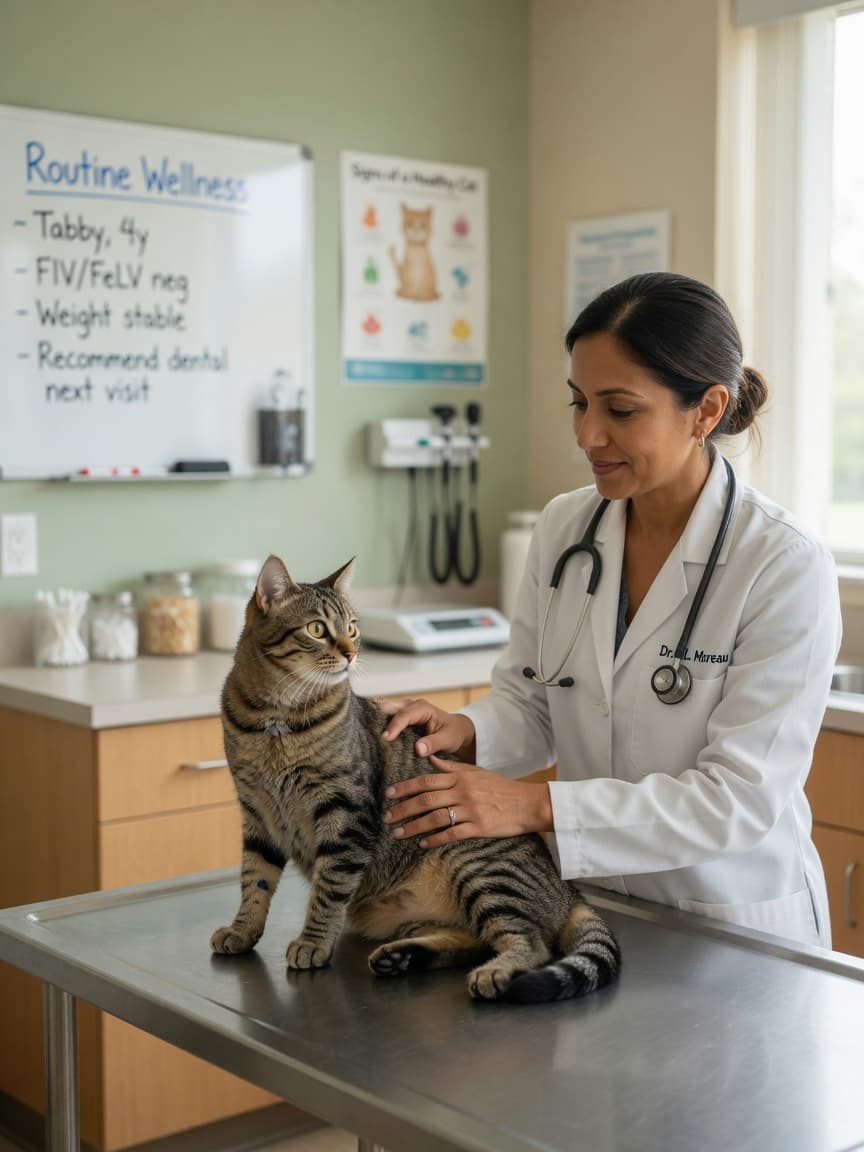
{"en": "Cat sitting on examination table during veterinary checkup with veterinarian", "es": "Gato sentado en mesa de examen durante revisi\u00f3n veterinaria con veterinario", "fr": "Chat assis sur table d'examen lors d'une visite v\u00e9t\u00e9rinaire de routine", "de": "Katze sitzt auf Untersuchungstisch w\u00e4hrend Tierarztuntersuchung", "nl": "Kat zit op onderzoekstafel tijdens dierenarts controleonderzoek", "pt": "Gato sentado na maca de exame durante consulta veterin\u00e1ria", "it": "Gatto seduto sul tavolo di visita durante controllo veterinario"}

Many cat owners wonder whether their feline companion really needs regular veterinary visits, especially when Fluffy seems perfectly healthy. The truth is, preventative veterinary care is one of the most important investments you can make in your cat's long-term wellbeing. Just like humans, cats benefit tremendously from regular check-ups that catch health issues before they become serious problems. Understanding the recommended frequency of vet visits ensures your cat receives optimal care throughout their life.

Kittens and Young Cats (Under 1 Year)
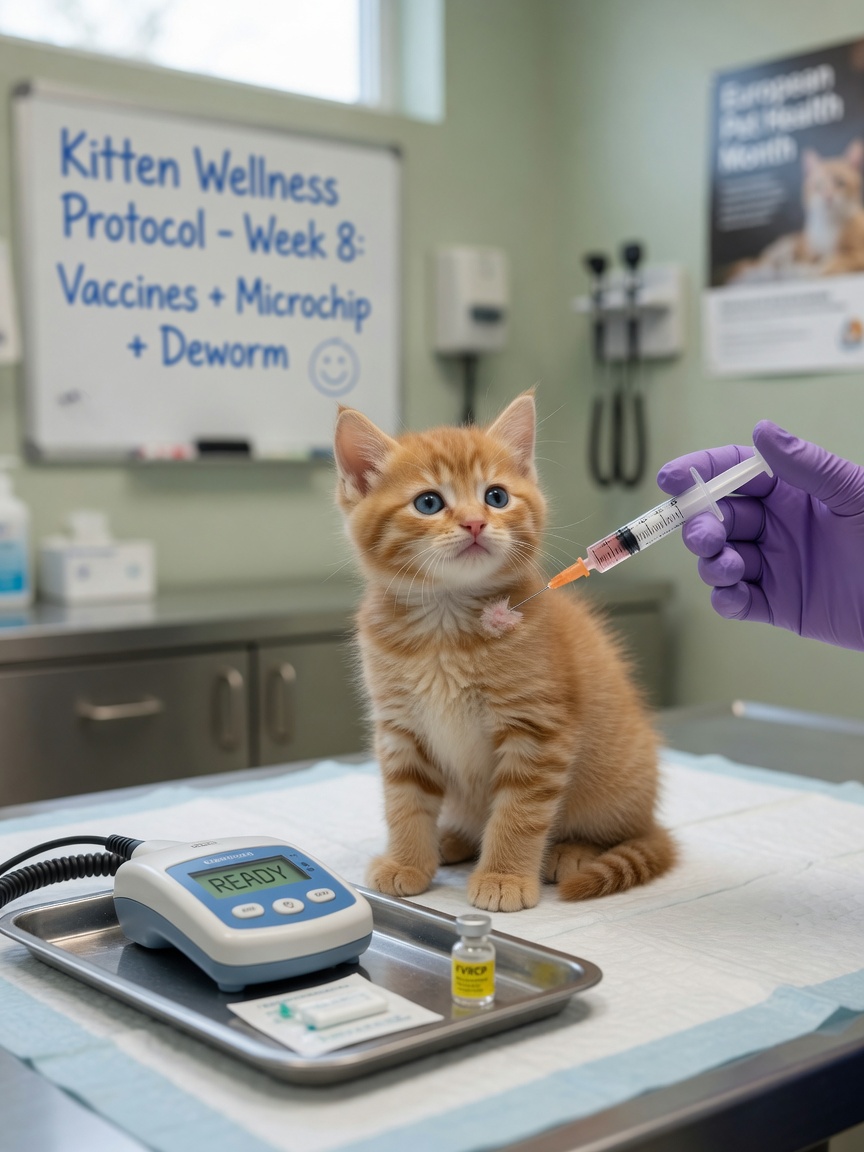
Young kitten receiving its first vaccination from a veterinarian during an early wellness visit

Kittens require more frequent veterinary visits than adult cats because they need a series of vaccinations and health assessments as their immune systems develop. Your kitten should visit the vet every 3-4 weeks starting at 6-8 weeks of age until they're around 16 weeks old.

  • Initial health examination and parasite screening
  • Core vaccinations (typically FVRCP for feline viral rhinotracheitis, calicivirus, and panleukopenia)
  • Rabies vaccination
  • Deworming treatments
  • Microchipping discussion
  • Neutering or spaying consultation (usually performed at 4-6 months)

Adult Cats (1-7 Years)

Healthy adult cats should visit the vet at least once annually for a thorough health examination and to keep vaccinations current. This annual check-up allows your vet to monitor your cat's weight, dental health, and overall condition, and to discuss any behavioural or dietary changes you've noticed.

During these visits, your vet will typically review vaccination status and discuss parasite prevention for fleas, ticks, and worms. This is also an excellent opportunity to discuss dietary needs, behavioural concerns, and any lifestyle changes affecting your cat's health.

Senior Cats (Over 7 Years)
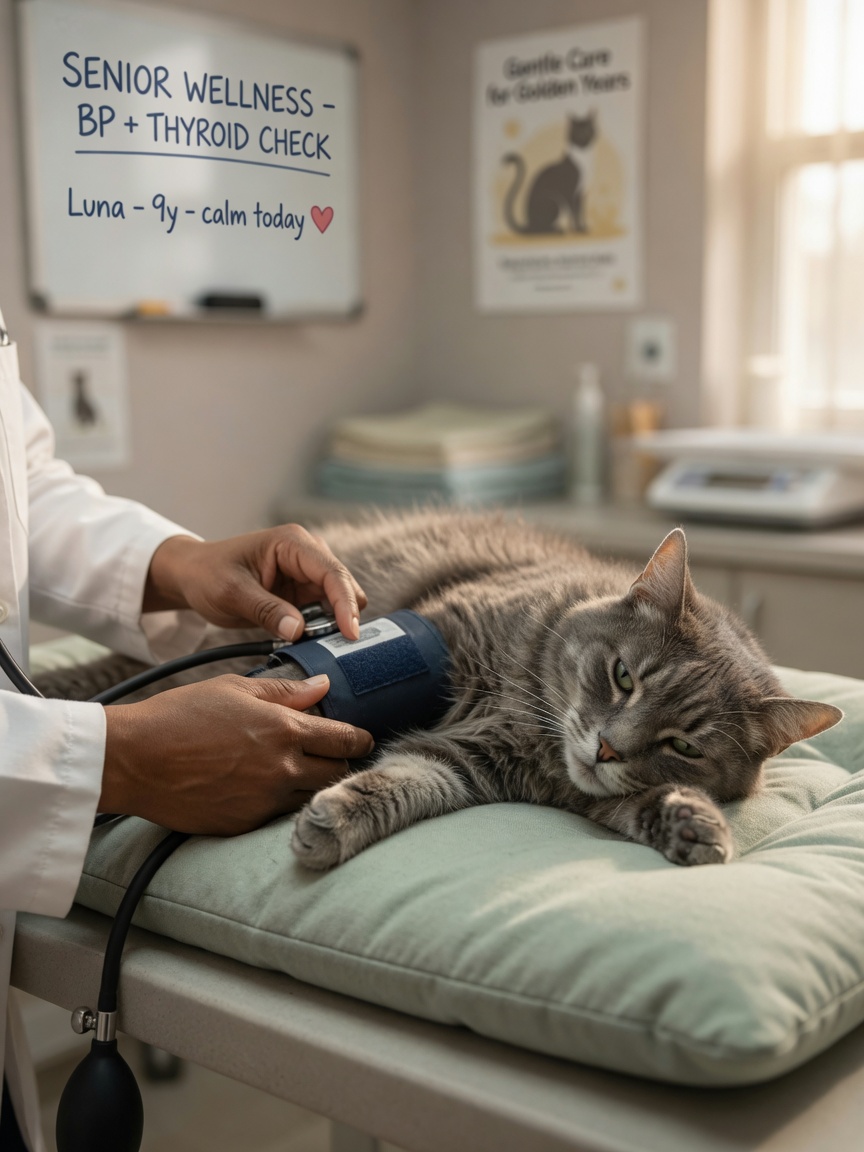
Senior cat having blood pressure checked by veterinarian during a bi-annual senior wellness examination

As cats age, they become more susceptible to conditions such as kidney disease, hyperthyroidism, arthritis, and diabetes. Senior cats should visit the vet twice yearly, ideally every 6 months, rather than just once annually. These more frequent visits help catch age-related conditions early when treatment is most effective.

Your vet may recommend blood work and urinalysis to monitor organ function, blood pressure checks, and dental assessments. These preventative diagnostics are invaluable for maintaining quality of life in your cat's golden years.

Cats with Chronic Conditions

If your cat has been diagnosed with diabetes, kidney disease, hyperthyroidism, or another chronic condition, they'll require more frequent veterinary care. Visit frequency depends entirely on the specific condition and your individual vet's recommendations, but typically ranges from every 2-4 weeks to every 3 months for monitoring and medication adjustments.

Signs You Should Schedule an Immediate Vet Visit

Regardless of your regular schedule, contact your vet promptly if you notice:

  • Changes in eating or drinking habits
  • Sudden weight loss or gain
  • Persistent vomiting or diarrhoea
  • Lethargy or unusual behaviour
  • Difficulty using the litter tray
  • Limping or difficulty moving
  • Discharge from eyes, nose, or ears
  • Excessive scratching or hair loss

Key Takeaways

Regular veterinary care forms the foundation of preventative health management for your cat. Kittens need frequent visits for vaccinations, healthy adults benefit from annual check-ups, and senior cats require twice-yearly examinations. By maintaining this schedule and seeking prompt advice when concerns arise, you'll help ensure your beloved companion enjoys a long, healthy, and happy life. Don't hesitate to discuss your cat's individual needs with your veterinary practice—they can provide personalised recommendations based on your cat's age, health status, and lifestyle.

#how often should your cat go to the vet#cat health#feline nutrition#forpetshealthcare

Sources & further reading

This article is based on peer-reviewed veterinary research and reputable animal-health sources. Explore the underlying science in our Research Library.

Related articles

The 19 Best Animal Shelters in the Netherlands (2026)

the Netherlands's animal shelters, rescue associations and refuges save thousands of dogs, cats and other animals every year, almost always on tiny budgets and volunteer power. To build the most objective ranking possible, we analysed public Google reviews across more than 56 registered animal-prote…

Read more →

The 48 Best Animal Shelters in Germany (2026)

Germany's animal shelters, rescue associations and refuges save thousands of dogs, cats and other animals every year, almost always on tiny budgets and volunteer power. To build the most objective ranking possible, we analysed public Google reviews across more than 152 registered animal-protection o…

Read more →

The 25 Best Animal Shelters in Italy (2026)

Italy's animal shelters, rescue associations and refuges save thousands of dogs, cats and other animals every year, almost always on tiny budgets and volunteer power. To build the most objective ranking possible, we analysed public Google reviews across more than 121 registered animal-protection org…

Read more →

The 32 Best Animal Shelters in France (2026)

France's animal shelters, rescue associations and refuges save thousands of dogs, cats and other animals every year, almost always on tiny budgets and volunteer power. To build the most objective ranking possible, we analysed public Google reviews across more than 89 registered animal-protection org…

Read more →

The 8 Best Animal Shelters in Portugal (2026)

Portugal's animal shelters, rescue associations and municipal centros de recolha save thousands of dogs, cats and other animals every year, almost always on tiny budgets and volunteer power. To build the most objective ranking possible, we analysed public Google reviews across more than 86 registere…

Read more →

Yorkshire Terrier Collapsing trachea: Causes, Signs & Care

Yorkshire Terriers are one of the breeds most commonly affected by collapsing trachea, largely because their windpipe cartilage is naturally softer and more prone to weakening than in larger dogs. This means the rings of cartilage that hold the airway open can flatten during breathing, causing a cha…

Read more →
Disclaimer:This article is for informational purposes only and does not constitute veterinary advice. Always consult a qualified veterinarian for your pet's health concerns.

Free newsletter

Pet health tips, straight to your inbox

Weekly science-backed advice for dog & cat owners. No spam, unsubscribe anytime.