
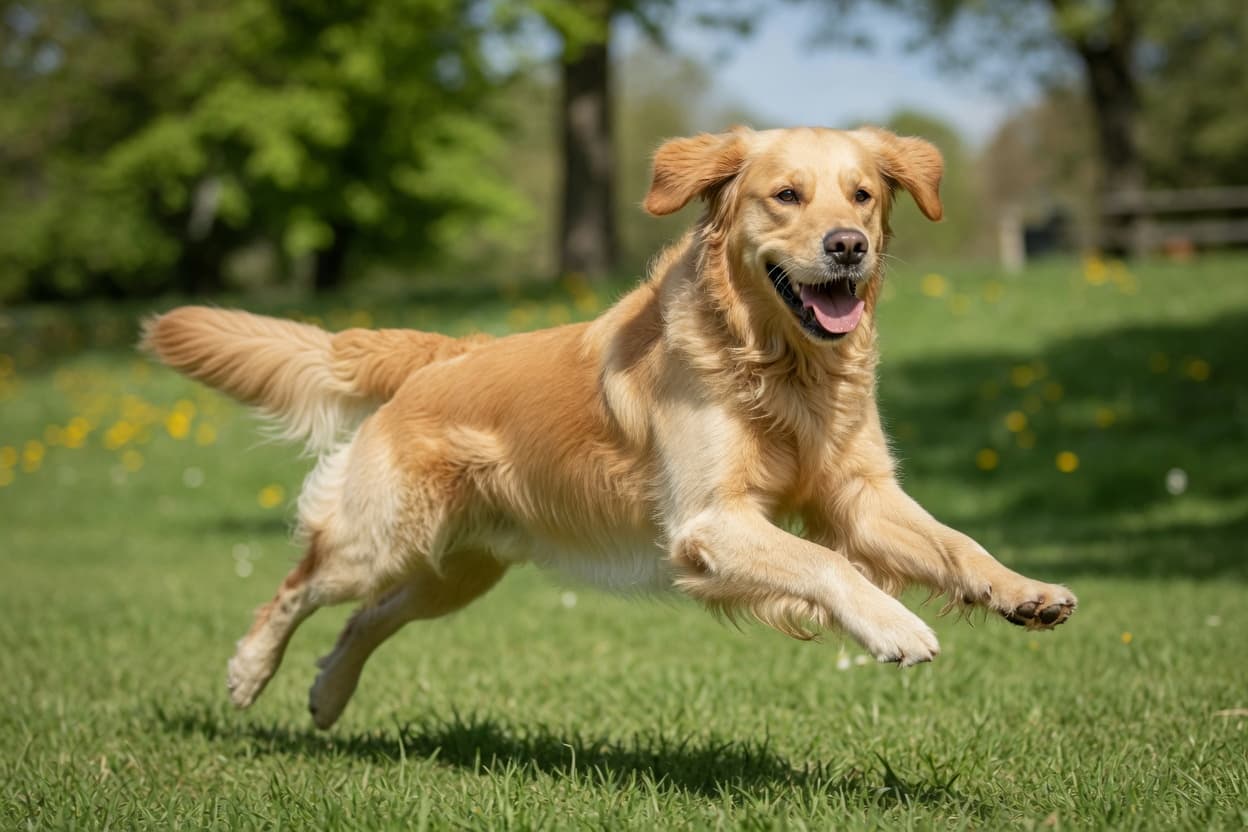
One of the most common questions pet owners ask is, "Is my dog getting enough exercise?" The answer isn't one-size-fits-all, and getting it right is crucial for your dog's physical health, mental wellbeing, and behaviour. Whether you have a sprightly Border Collie or a laid-back Bulldog, understanding your individual dog's exercise requirements can mean the difference between a happy, well-adjusted companion and one prone to destructive behaviour, obesity, and anxiety.
Exercise Requirements by Age and Life Stage
Your dog's age plays a significant role in how much daily activity they need. Exercise requirements change throughout your dog's life, and what works for a puppy won't work for a senior.
- Puppies (8 weeks to 12 months): Require frequent short bursts of activity rather than long exercise sessions. Aim for 5 minutes of exercise per month of age, twice daily. This protects their developing joints and bones.
- Adult dogs (1 to 7 years): Most adults require 30 minutes to 2 hours daily, depending on breed and temperament.
- Senior dogs (7+ years): Usually need 30 to 60 minutes daily, with lower-impact activities like gentle walks to maintain muscle mass without straining ageing joints.
Breed and Size Considerations
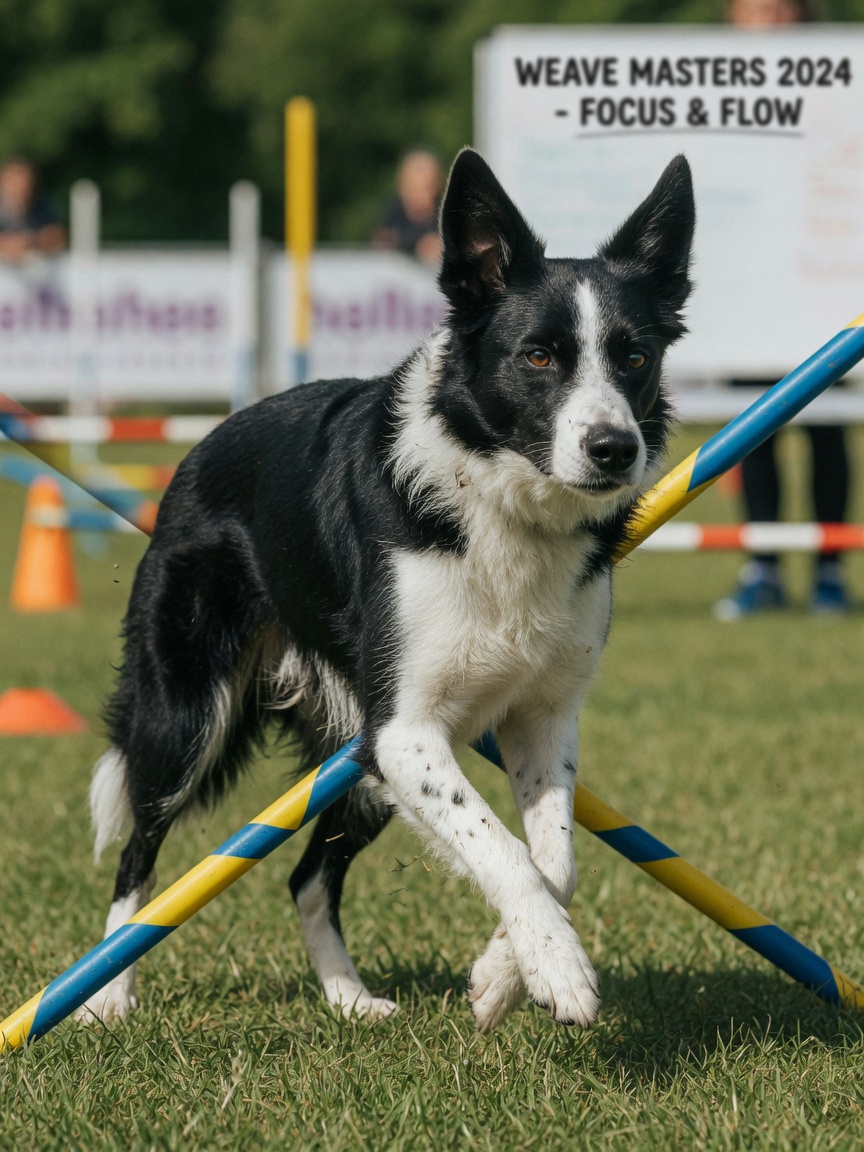
Different breeds were developed for different purposes, and this fundamentally affects their exercise needs. Working and sporting breeds have significantly higher energy requirements than companion breeds.
- High-energy breeds: Border Collies, Australian Shepherds, Springer Spaniels, and Huskies need 1.5 to 2+ hours of vigorous daily exercise, including mental stimulation.
- Moderate-energy breeds: Labradors, Cocker Spaniels, and Beagles typically need 45 minutes to 1.5 hours daily.
- Low-energy breeds: Bulldogs, Basset Hounds, and Cavalier King Charles Spaniels often thrive with 30 to 45 minutes of gentle activity daily.
Signs Your Dog Isn't Getting Enough Exercise
Insufficient exercise often manifests in behavioural and physical signs. Watch for:
- Destructive behaviour such as chewing furniture, shoes, or walls
- Excessive barking or whining
- Hyperactivity and inability to settle indoors
- Weight gain and reduced muscle tone
- Pulling excessively during walks
- Jumping on people or exhibiouring other attention-seeking behaviours
Types of Exercise and Mental Stimulation
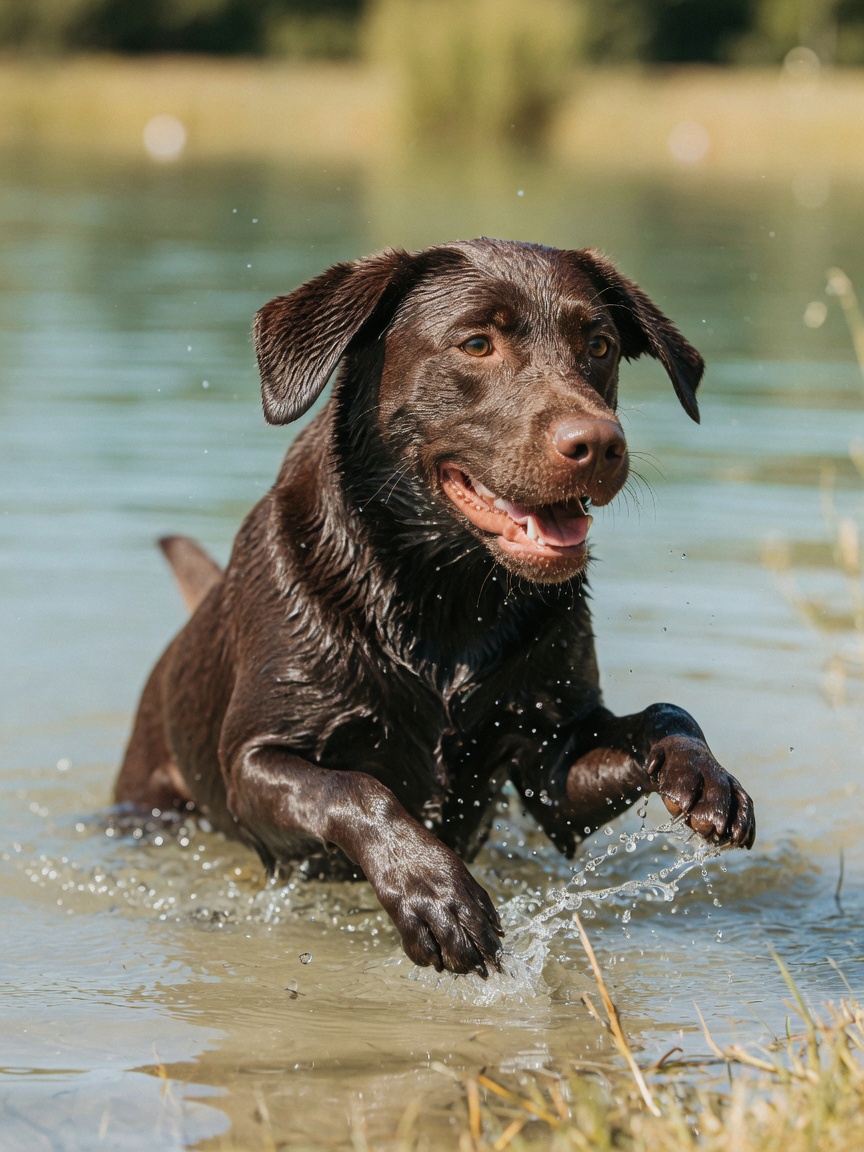
Physical exercise alone isn't enough—your dog also needs mental stimulation. A combination of activities keeps them engaged and satisfied.
- Walking: The foundation of most dogs' daily routine. Aim for at least one walk daily, preferably two.
- Off-lead play: Whether in a secure garden or dog park, running freely builds confidence and fitness.
- Interactive games: Fetch, tug, and hide-and-seek engage body and mind.
- Scent work and training: Sniffing games and obedience training provide mental enrichment that can be as tiring as physical activity.
- Swimming: Excellent low-impact exercise, particularly beneficial for dogs with joint concerns.
Tailoring Exercise to Your Individual Dog
Every dog is unique. Factors like temperament, health status, and individual preferences matter. Start with breed guidelines, then adjust based on your dog's responses. A dog who seems anxious or overexcited may need more exercise, whilst one who regularly reaches exhaustion may be overdoing it.
Key Takeaways
The ideal exercise routine for your dog depends on their age, breed, size, and individual personality. Most adult dogs benefit from 30 minutes to 2 hours of daily activity combining physical exercise with mental stimulation. Begin by assessing your dog's behaviour and energy levels, consult your veterinary surgeon if you're unsure, and remember that regular, consistent activity is far more valuable than occasional intense sessions. A well-exercised dog is typically healthier, happier, and better behaved—making the effort genuinely worthwhile for both you and your beloved companion.