
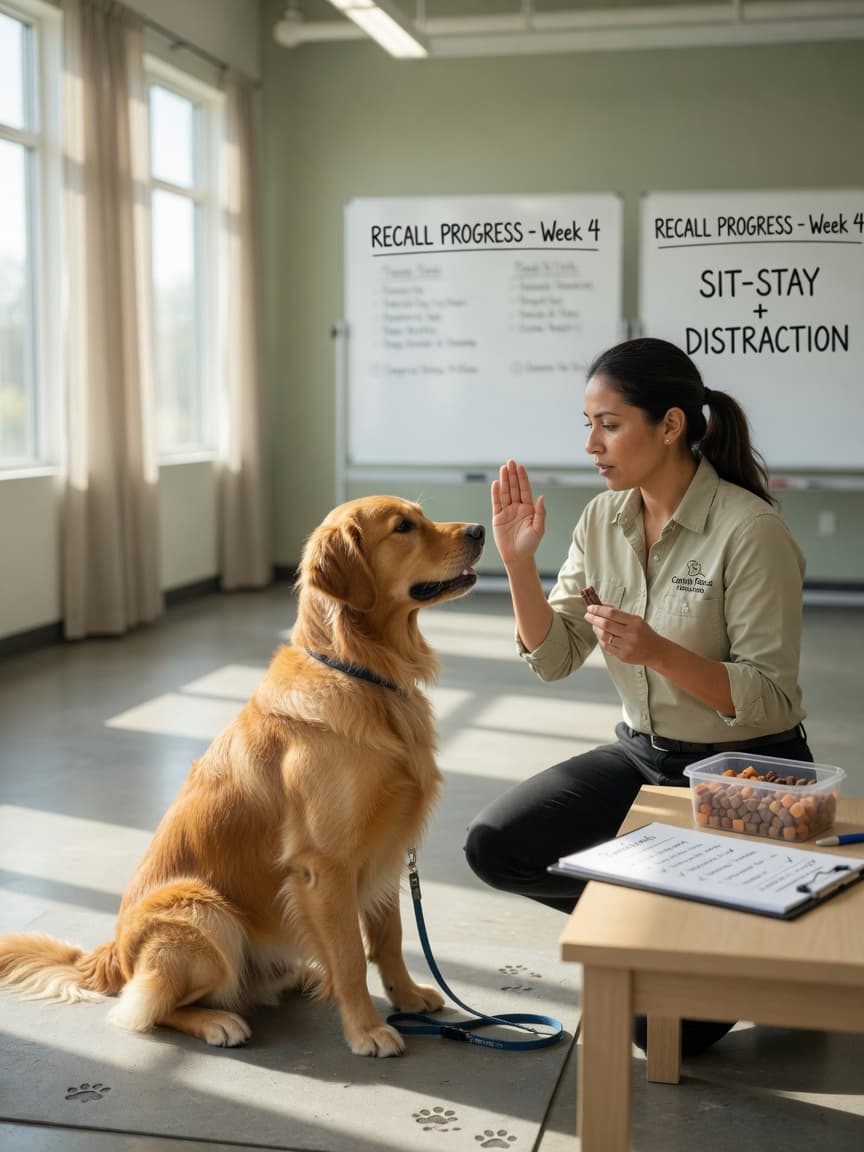
Investing in professional dog training is one of the wisest decisions you can make for your pet's wellbeing and your household's harmony. Whether you're welcoming a boisterous puppy or working with a rescue dog with behavioural challenges, understanding the financial landscape of dog training helps you make informed choices. Training costs vary significantly across the UK and Europe, influenced by location, trainer experience, training methods, and your dog's specific needs. This comprehensive guide will help you navigate pricing structures and find the right investment for your canine companion.
Understanding Dog Training Price Ranges
Dog training costs in the UK typically range from £50 to £300+ per hour, depending on several factors. Group classes are generally the most affordable option, whilst one-to-one sessions and residential programmes command higher fees. The south-east of England, particularly London, tends to be pricier than rural areas. A basic 6-week group obedience course might cost £150-300 total, whilst individual sessions average £80-150 per hour.
Types of Training and Their Costs
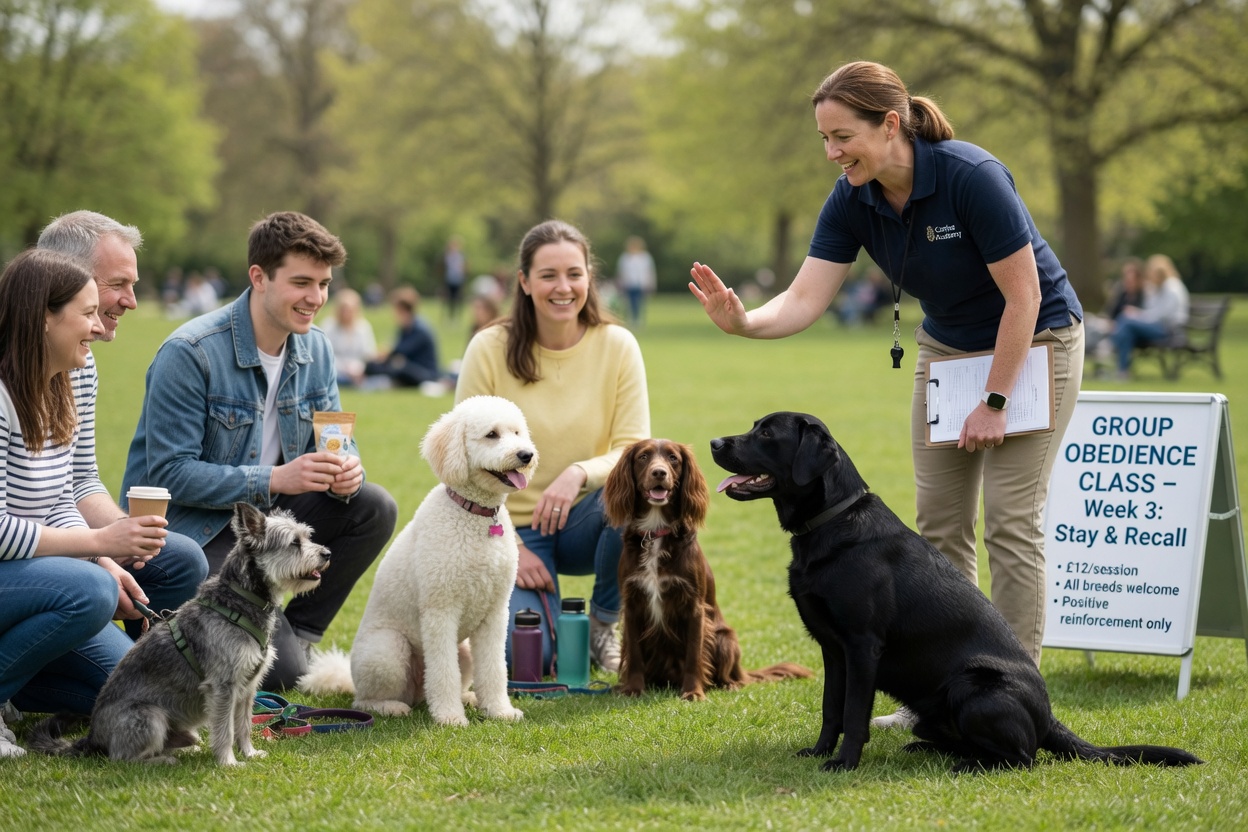
Group Training Classes
Group classes offer excellent value for money, typically costing £15-40 per weekly session. These are ideal for puppies and dogs with mild behavioural issues, providing valuable socialisation opportunities alongside training. Most six to eight-week courses cost £150-300 in total.
One-to-One Private Sessions
Individual training allows trainers to address specific behavioural problems with personalised attention. Expect to pay £80-200 per hour, with many trainers offering package discounts for multiple sessions. For serious behavioural issues, this investment often proves worthwhile.
Residential Training Programmes
If your dog requires intensive intervention, residential programmes where your dog stays with a trainer for 2-4 weeks cost between £1,500-5,000+. These programmes suit dogs with severe aggression, anxiety, or extensive behavioural problems requiring immersive training.
Online and Virtual Training
Digital training platforms have become increasingly popular, costing £50-300 monthly for unlimited access to video content and email support. This option suits budget-conscious owners and those in remote areas, though it requires your active participation.
Factors That Influence Training Costs
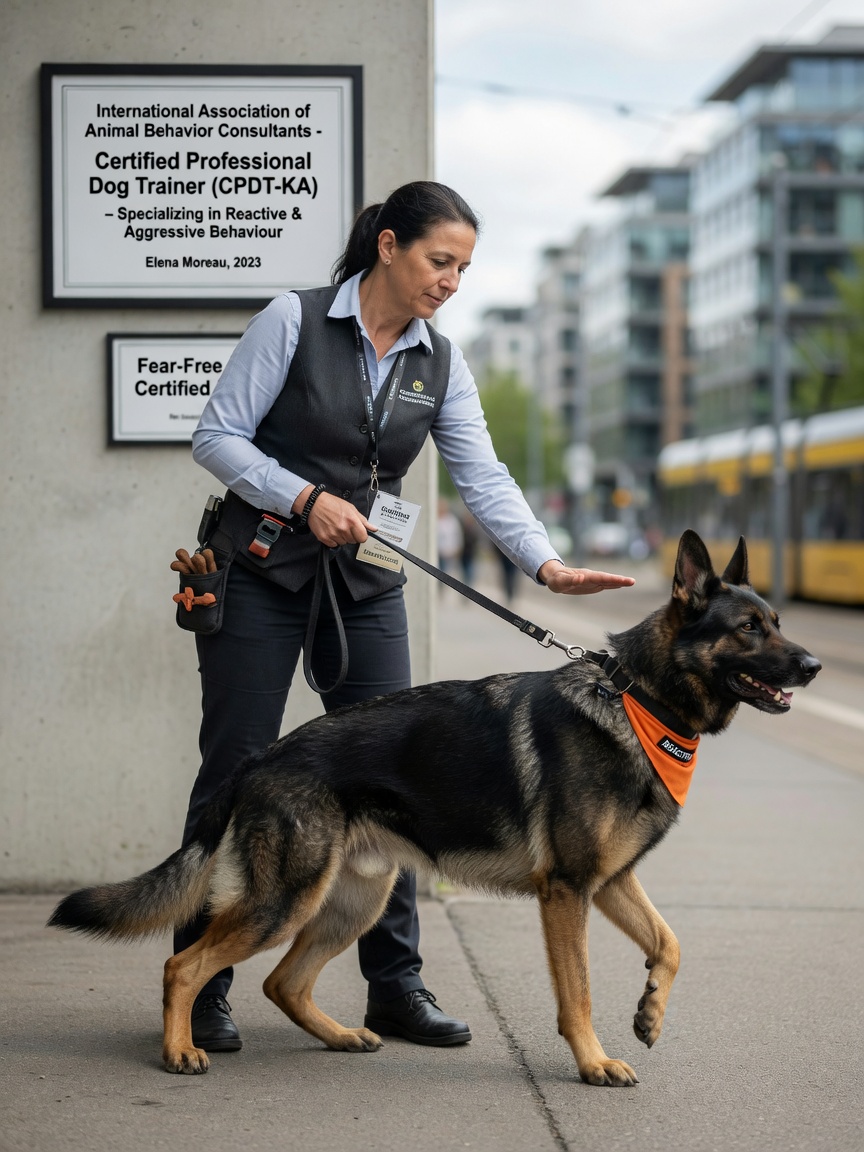
- Trainer Qualification: Certified trainers with credentials from recognised bodies (IAABC, COAPE) typically charge more than uncertified individuals
- Location: Urban areas command higher fees than rural locations
- Dog's Age and Behaviour: Puppies cost less than adult dogs with ingrained behavioural issues
- Training Duration: Intensive programmes cost more than casual classes
- Specialisation: Trainers specialising in aggression, anxiety, or specific breeds may charge premium rates
- Experience Level: Highly experienced trainers with proven track records typically charge £120-200+ per hour
What's Included in Training Costs?
Understanding what you're paying for helps justify the investment. Quality training typically includes:
- Initial assessment and behaviour evaluation
- Customised training plan tailored to your dog's needs
- Hands-on training sessions with your dog
- Handler instruction to ensure you can continue training at home
- Follow-up support and guidance
- Written progress reports
Many quality trainers also provide aftercare support, answering questions and addressing emerging issues without additional charges.
Getting the Best Value for Money
Don't automatically choose the cheapest option. Instead, research trainers thoroughly by checking qualifications, reading reviews, and asking for references. A consultation call allows you to gauge their expertise and philosophy. Request a clear breakdown of costs and what's included. Consider that investing £500-1,000 in professional training now prevents costly behavioural problems later, including potential liability issues or the heartbreak of rehoming your dog.
Key Takeaways
Dog training represents valuable investment in your pet's behaviour and your household's wellbeing. Budget-friendly group classes suit many situations, whilst personalised training justifies higher costs for specific behavioural challenges. Always prioritise trainer qualifications and experience over price alone. With proper training, you'll enjoy years of harmonious living with a well-adjusted, happy companion.