

If you've ever wondered whether your dog would enjoy spending time with other dogs and people, the answer is almost certainly yes. Group activities offer remarkable benefits for both you and your canine companion, from improved physical health to enhanced emotional wellbeing. Whether it's a dog walking group, agility class, or community park visit, these shared experiences create opportunities for meaningful bonding whilst addressing essential aspects of your dog's development.
Physical Health and Exercise Benefits
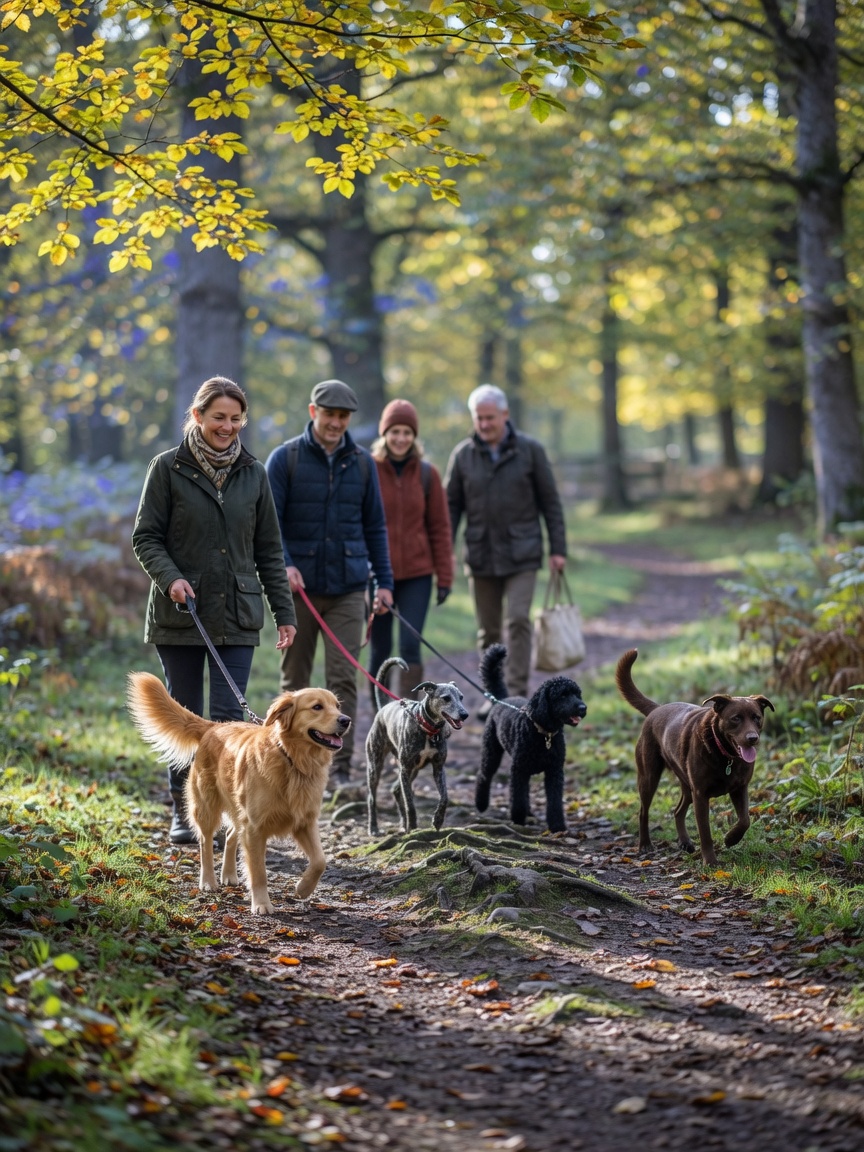
Group activities provide structured, consistent exercise that many dogs might not otherwise receive. When you're part of a dog walking group or attend regular training classes, you're committing to scheduled physical activity, which helps maintain your dog's ideal weight and cardiovascular health.
- Regular group exercise reduces obesity-related health issues in dogs
- Varied terrain and routes during group walks strengthen muscles and improve coordination
- Consistent activity helps regulate digestion and promotes better sleep patterns
- Joint and bone health improves through moderate, regular movement
The social accountability aspect matters too—you're more likely to maintain a walking schedule when you've committed to meeting other dog owners at a set time.
Socialisation and Behaviour Development
Puppies and young dogs learn crucial social skills through positive interactions with other dogs and people. Even adult dogs benefit from socialisation exposure, which helps them develop confidence and appropriate responses to different situations.
Group settings provide safe environments where dogs can learn bite inhibition, appropriate play behaviour, and how to read canine body language. These experiences are invaluable for preventing behavioural problems later in life.
Mental Stimulation and Enrichment
A dog's brain needs regular stimulation to stay healthy and engaged. Group activities offer novel experiences, new environments, and varied social interactions that keep their minds active.
- New social contacts provide mental challenges and engagement
- Different locations during group walks offer sensory enrichment
- Training classes introduce problem-solving opportunities
- Group play sessions encourage creative thinking and adaptation
This mental engagement helps reduce anxiety, destructive behaviour, and excessive barking caused by boredom.
Benefits for Your Own Health and Wellbeing
You'll experience significant personal benefits alongside your dog. Dog walking groups and training classes create communities where you'll meet like-minded individuals, reducing social isolation and building genuine friendships. The increased physical activity benefits your cardiovascular health, whilst the outdoor exposure provides vitamin D and fresh air.
Walking and exercising with your dog releases endorphins, naturally improving mood and reducing stress levels. Studies consistently show that dog owners who engage in regular group activities report lower anxiety and better overall mental health.
Building a Stronger Bond with Your Dog
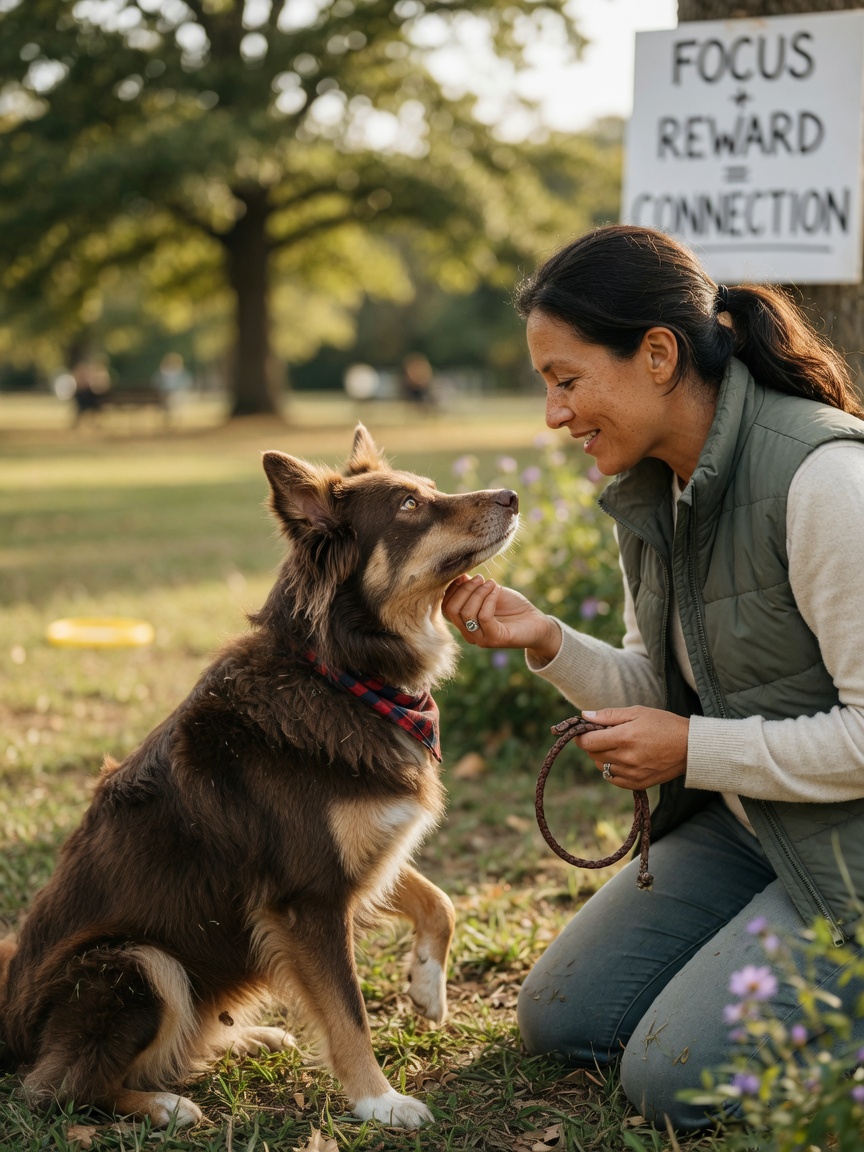
Shared experiences strengthen your relationship. When you navigate new situations together, work as a team during training, and celebrate small victories, your dog learns to trust and rely on you. This bond is fundamental to your dog's sense of security and wellbeing.
Getting Started with Group Activities
Consider these options for finding suitable group activities:
- Local dog walking groups through community Facebook pages or neighbourhood forums
- Puppy socialisation classes at your veterinary practice
- Obedience and training clubs affiliated with national kennel clubs
- Agility or sport classes designed for dogs of various abilities
- Beach or park meetups organised by local dog communities
Start slowly, particularly if your dog is nervous or reactive. Brief, positive experiences with smaller groups may be better initially than large gatherings.
Key Takeaways
Group activities transform dog ownership from a solitary responsibility into a rewarding social experience. Your dog receives essential physical exercise, social development, and mental enrichment whilst you enjoy improved health, genuine friendships, and a deeper connection with your companion. Whether you're joining an organised class or starting an informal walking group with neighbours, these shared moments create lasting benefits for everyone involved.