ForPetsHealthcare
Dogs

How Big Are Cane Corsos? (With Size & Growth Chart) — Dogster

By Julia WrenfieldUpdated August 4, 20264 min read
Evidence-based · Sources checked
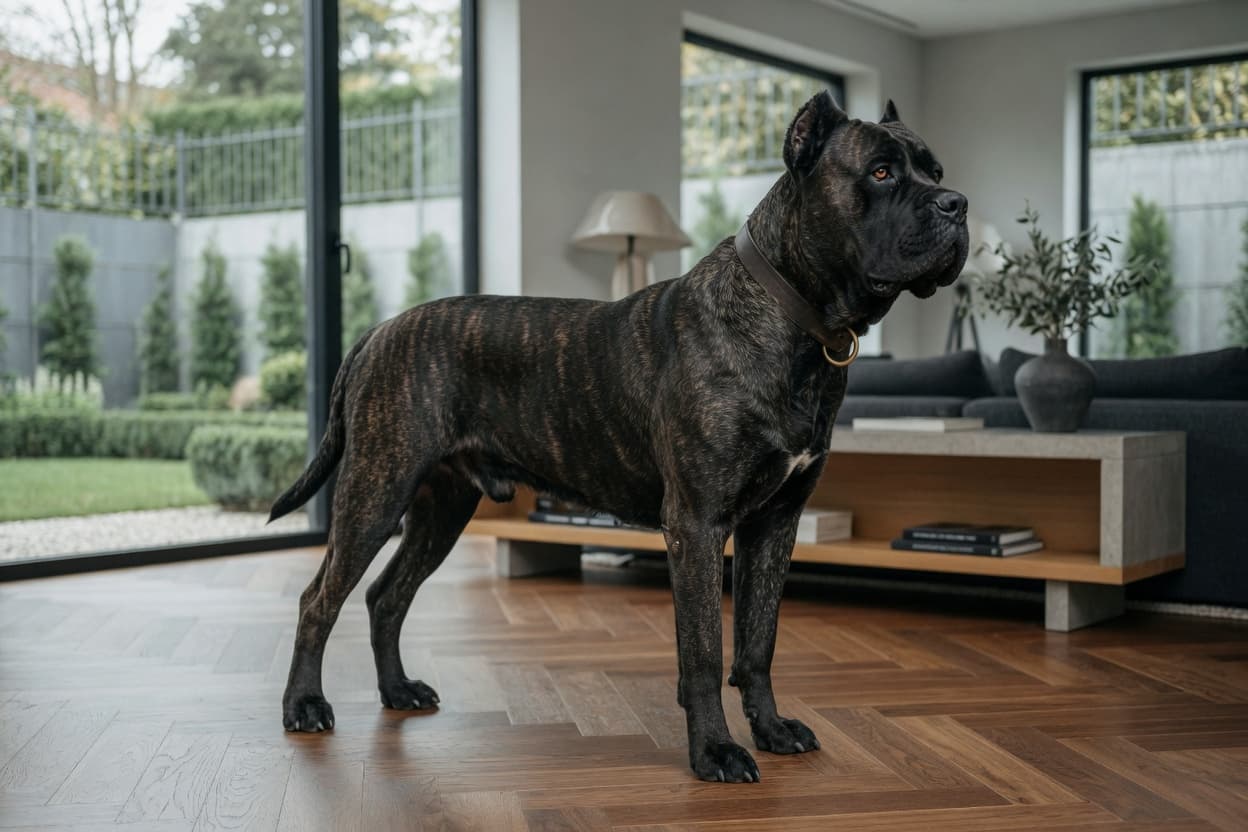
{"en": "Large muscular Cane Corso dog standing outdoors displaying the breed's impressive size and powerful build", "es": "Perro Cane Corso musculoso de gran tama\u00f1o de pie al aire libre mostrando el tama\u00f1o e impresionante estructura", "fr": "Grand Cane Corso muscl\u00e9 debout \u00e0 l'ext\u00e9rieur montrant la taille impressionnante et la puissance de la race", "de": "Gro\u00dfer muskul\u00f6ser Cane Corso Hund im Freien, der die beeindruckende Gr\u00f6\u00dfe und Kraft der Rasse zeigt", "nl": "Grote gespierde Cane Corso hond staande buiten met indrukwekkende grootte en krachtige bouw van het ras", "pt": "Cane Corso musculoso grande em p\u00e9 ao ar livre exibindo o tamanho impressionante e constru\u00e7\u00e3o poderosa", "it": "Cane Corso muscoloso di grandi dimensioni in piedi all'aperto che mostra l'impressionante taglia e potenza della razza"}

If you're considering welcoming a Cane Corso into your family, understanding their impressive size is essential. These Italian mastiffs are among the largest dog breeds, commanding respect with their muscular frames and powerful presence. Whether you're a first-time large-breed owner or an experienced handler, knowing exactly how big these dogs grow—and what that means for your home and lifestyle—will help you make an informed decision.

Standard Adult Size for Cane Corsos

Cane Corsos are substantial dogs that typically stand between 64–71 centimetres (25–28 inches) at the shoulder. Males generally reach the upper end of this range, whilst females tend to be slightly smaller. Weight varies considerably, but most healthy adult Cane Corsos weigh between 40–50 kilograms (88–110 pounds), with some larger individuals exceeding 54 kilograms.

What's particularly striking about this breed is not just their height, but their dense, muscular build. A Cane Corso isn't just tall—they're powerfully built with broad chests, strong limbs, and a substantial frame that can feel even larger than their actual measurements suggest.

Growth Timeline: From Puppy to Adult
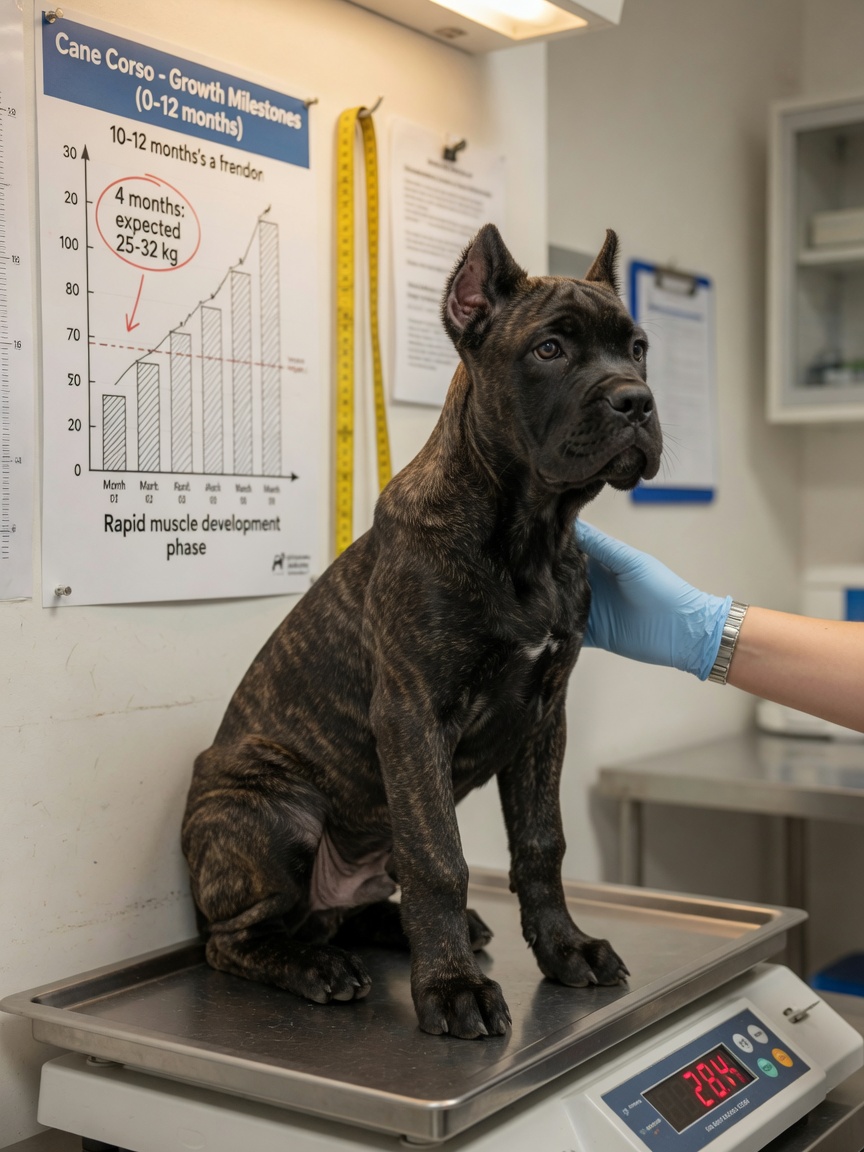
Young Cane Corso puppy being weighed at veterinary clinic during growth monitoring, demonstrating rapid development stage

Understanding how quickly Cane Corsos grow is crucial for planning your living space and managing their development:

  • 2–4 months: Puppies weigh roughly 9–18 kilograms and grow rapidly, sometimes gaining 1 kilogram per week
  • 4–6 months: Growth accelerates further, reaching approximately 20–30 kilograms as bones and muscles develop quickly
  • 6–12 months: By their first birthday, most Cane Corsos weigh 35–45 kilograms and are nearly their full height
  • 12–18 months: Continued muscle development and maturation, though growth plates are closing
  • 18–24 months: Most Cane Corsos reach full maturity, though some continue gaining muscle mass until age three

Factors Influencing Size

Not all Cane Corsos grow identically. Several factors affect their final size:

  • Genetics: Parental size is the strongest predictor of adult size. Request growth information from responsible breeders
  • Nutrition: Proper diet during growth stages is vital—large-breed puppies require specific calcium and phosphorus ratios to support healthy bone development
  • Exercise: Moderate, age-appropriate exercise supports healthy growth without stressing developing joints
  • Health Status: Illness, malnutrition, or underlying conditions can stunt growth or cause developmental issues
  • Sex: Males typically outweigh females by 5–9 kilograms on average

What Big Size Means for Care and Living Space
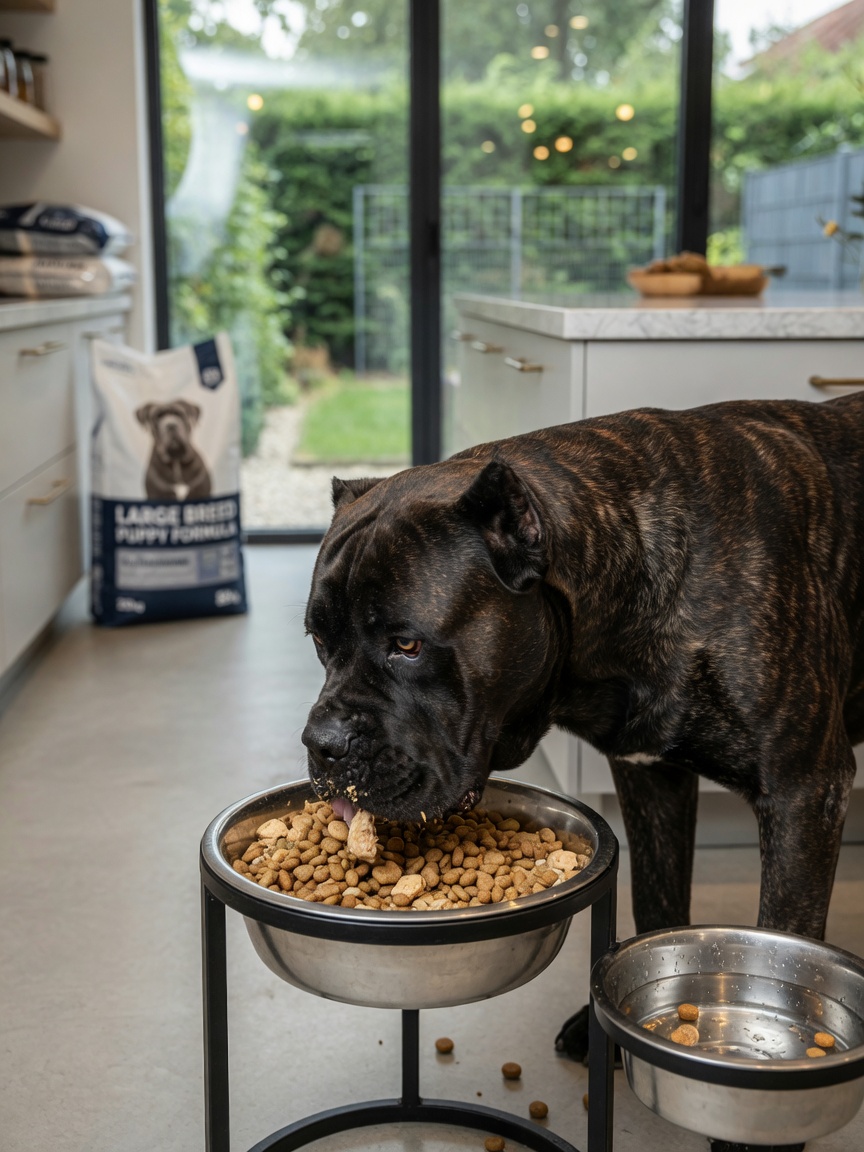
Adult Cane Corso eating specialized large-breed kibble from an elevated bowl in a spacious kitchen with secure garden visible, demonstrating care requirements for the breed

Owning a large Cane Corso requires practical considerations. You'll need a spacious home—ideally with a secure garden—as these dogs require room to move comfortably. Large-breed dogs need specially formulated food to prevent hip dysplasia and other joint concerns, which are more common in bigger breeds.

Healthcare costs tend to be higher, as veterinary services, preventative treatments, and medications are typically dosed by weight. Additionally, Cane Corsos require consistent training and socialisation from puppyhood to manage their strength responsibly.

Monitoring Healthy Growth

Regular veterinary check-ups are essential to ensure your Cane Corso grows at an appropriate rate. Your vet can assess body condition scoring and confirm your puppy is developing normally. Avoid overfeeding, which accelerates growth too quickly and increases joint stress in large breeds.

Nutritional excellence matters tremendously. Consult your vet about large-breed puppy formulas that support measured, healthy development rather than rapid growth.

Key Takeaways

Cane Corsos are genuinely large dogs—typically 64–71 centimetres tall and weighing 40–50 kilograms as adults. Their rapid growth during the first 18 months requires careful nutrition, appropriate exercise, and veterinary oversight. If you're prepared for the space, financial commitment, and training demands of a truly large breed, a well-socialised Cane Corso can be a loyal, affectionate companion. However, this impressive size isn't merely aesthetic—it fundamentally shapes their care requirements and your lifestyle compatibility with the breed.

#how big are cane corsos with size growth chart dogster#forpetshealthcare

Sources & further reading

This article is based on peer-reviewed veterinary research and reputable animal-health sources. Explore the underlying science in our Research Library.

Related articles

The 19 Best Animal Shelters in the Netherlands (2026)

the Netherlands's animal shelters, rescue associations and refuges save thousands of dogs, cats and other animals every year, almost always on tiny budgets and volunteer power. To build the most objective ranking possible, we analysed public Google reviews across more than 56 registered animal-prote…

Read more →

The 25 Best Animal Shelters in Italy (2026)

Italy's animal shelters, rescue associations and refuges save thousands of dogs, cats and other animals every year, almost always on tiny budgets and volunteer power. To build the most objective ranking possible, we analysed public Google reviews across more than 121 registered animal-protection org…

Read more →

The 48 Best Animal Shelters in Germany (2026)

Germany's animal shelters, rescue associations and refuges save thousands of dogs, cats and other animals every year, almost always on tiny budgets and volunteer power. To build the most objective ranking possible, we analysed public Google reviews across more than 152 registered animal-protection o…

Read more →

The 32 Best Animal Shelters in France (2026)

France's animal shelters, rescue associations and refuges save thousands of dogs, cats and other animals every year, almost always on tiny budgets and volunteer power. To build the most objective ranking possible, we analysed public Google reviews across more than 89 registered animal-protection org…

Read more →

The 8 Best Animal Shelters in Portugal (2026)

Portugal's animal shelters, rescue associations and municipal centros de recolha save thousands of dogs, cats and other animals every year, almost always on tiny budgets and volunteer power. To build the most objective ranking possible, we analysed public Google reviews across more than 86 registere…

Read more →

Sphynx Cat Skin care and hygiene: Causes, Signs & Care

Sphynx cats have little to no coat, which means the skin itself takes on jobs that fur normally does — insulation, oil dispersal, and barrier protection — leaving it prone to greasiness, blocked pores, fungal infections, and sunburn. The single most important thing to know is that a Sphynx's skin ne…

Read more →
Disclaimer:This article is for informational purposes only and does not constitute veterinary advice. Always consult a qualified veterinarian for your pet's health concerns.

Free newsletter

Pet health tips, straight to your inbox

Weekly science-backed advice for dog & cat owners. No spam, unsubscribe anytime.