

One Group, Two Very Different Dogs
A Greyhound and a Basset Hound share the same breed group classification, yet they look — and function — almost nothing alike. That contrast matters for health: the hound group is among the most internally diverse in canine classification, and lumping scent hounds and sight hounds together medically does a disservice to both. Yet genuine overlaps exist, and understanding them alongside the divergences gives owners a sharper picture of what to expect.
What Hounds Share: Function Shapes Biology
Despite their differences, all hounds were bred for sustained pursuit. Whether following a scent trail for hours or sprinting at extraordinary speed in short bursts, the cardiovascular and musculoskeletal demands of hunting work have shaped these breeds at a biological level. That heritage creates both strengths and specific vulnerabilities.
Hounds as a group tend toward lean, efficient body composition. They are often energetic, sensory-driven, and independent in temperament. Owners sometimes mistake a hound's stoic or distracted nature for wellness — but these breeds can mask pain and illness effectively. Routine veterinary monitoring matters more than waiting for obvious symptoms.
Sight Hound Health: Thin Skin, Deep Chests, Sensitive Systems
Greyhounds, Whippets, Salukis, Afghan Hounds, and their kin share a cluster of characteristics that directly affect how they are managed medically and surgically.
Anaesthetic Sensitivity
Sight hounds have very low body fat relative to muscle mass and metabolise certain drugs — particularly barbiturate anaesthetics — much more slowly than other breeds. What is a routine dose for a Labrador can be dangerously prolonged in a Greyhound. Any veterinarian treating a sight hound must be informed of this breed characteristic before sedation. This is not a minor caveat; it is a genuine safety issue that has historically caused avoidable fatalities.
Cardiac Conditions
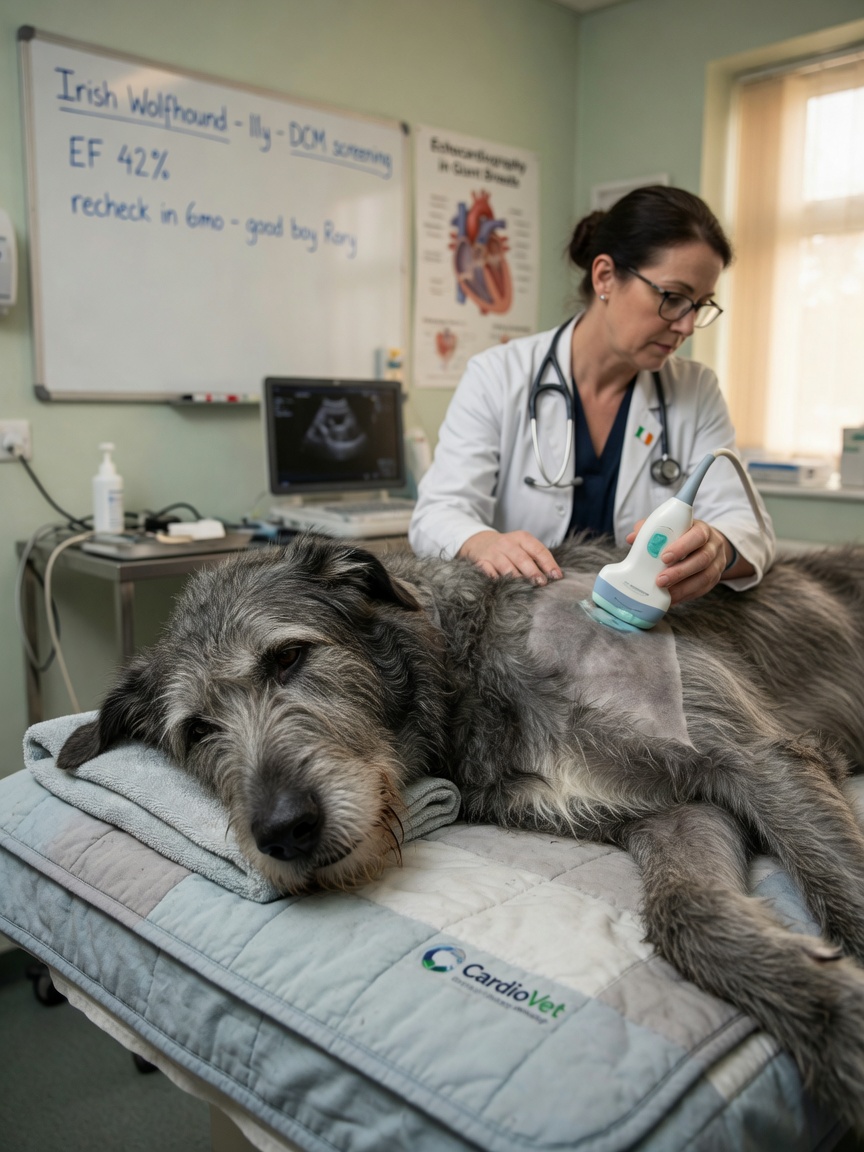
Heart disease takes a particular form in sight hounds. Atrial fibrillation and dilated cardiomyopathy appear with disproportionate frequency, especially in Irish Wolfhounds. Irish Wolfhound cardiac disease is so significant that breed clubs recommend echocardiographic screening from two years of age onward, repeated annually. Despite their imposing size, these gentle giants have a median lifespan heavily compressed by cardiac and bone disease.
Bone Cancer
Osteosarcoma — aggressive bone cancer — appears at elevated rates in large and giant sight hounds, particularly Irish Wolfhounds, Scottish Deerhounds, and Greyhounds. It most commonly affects the long bones of the limbs. Sudden, severe lameness in a middle-aged or older large hound warrants urgent imaging rather than conservative management. Earlier diagnosis does not cure the disease, but it meaningfully improves quality of life outcomes.
Scent Hound Health: Ears, Spines, and Metabolic Quirks

Beagles, Bloodhounds, Basset Hounds, Dachshunds, and similar breeds present a different set of recurring concerns, shaped by their anatomy and the selection pressures of ground-level scent work.
Intervertebral Disc Disease
Chondrodystrophic breeds — those with shortened, bowed limbs and elongated bodies — face a dramatically elevated risk of intervertebral disc disease (IVDD). Dachshunds are the most affected: studies suggest up to a quarter of Dachshunds will experience a clinically significant disc episode. Basset Hounds are similarly vulnerable. Disc herniation causes anything from pain and reluctance to move, to complete hindlimb paralysis, depending on severity. Ramps instead of stairs, weight management, and avoiding repetitive jumping are practical prevention strategies.
Ear Disease
Pendulous ears trap moisture, reduce airflow, and create an ideal environment for chronic otitis. Bloodhounds, Bassets, and Beagles are particularly prone to recurrent ear infections. Weekly ear inspection and gentle cleaning, along with prompt treatment of early infections, prevent the progression to chronic, treatment-resistant disease.
Epilepsy in Beagles
Inherited epilepsy is documented in Beagles with notable frequency. Seizures typically begin between six months and three years of age. The condition is manageable with anticonvulsant medication in most cases, but it requires correct diagnosis — ruling out other causes of seizure activity before committing to lifelong treatment. Consult a veterinary neurologist if seizures are frequent, prolonged, or poorly controlled.
Conditions Spanning Both Sub-Groups
Several health concerns appear across hound types regardless of anatomy or hunting style.
Hip dysplasia is present across many hound breeds, though less dramatically than in some working breeds. Routine hip screening in breeding animals remains important. Bloat (gastric dilatation-volvulus) is a risk for deep-chested hounds of all types — recognising the early signs of distress, unproductive retching, and abdominal distension as a veterinary emergency can be the difference between survival and loss. Eye conditions including progressive retinal atrophy and glaucoma appear across multiple hound breeds and warrant regular ophthalmological assessment.
Practical Guidance for Hound Owners
- Always tell your vet your dog is a sight hound before any procedure involving sedation or anaesthesia — carry a note if necessary.
- Check ears weekly and clean monthly, or more frequently during humid weather, in breeds with pendulous ears.
- For chondrodystrophic breeds, install ramps, maintain lean body weight, and discuss preventive MRI screening options with your vet if surgical intervention is something you would consider.
- Know the signs of bloat and treat it as an emergency requiring immediate veterinary attention, not a wait-and-see situation.
- Request cardiac screening for Irish Wolfhounds and Scottish Deerhounds from two years of age, and annually thereafter.
- If a large hound develops sudden unexplained lameness, seek imaging promptly rather than assuming soft tissue injury.
The hound group encompasses some of the most characterful dogs in the canine world. Their health needs are specific, sometimes counterintuitive, and well worth understanding before a problem arises rather than after.