
When Your Pet Hiccups, Should You Be Concerned
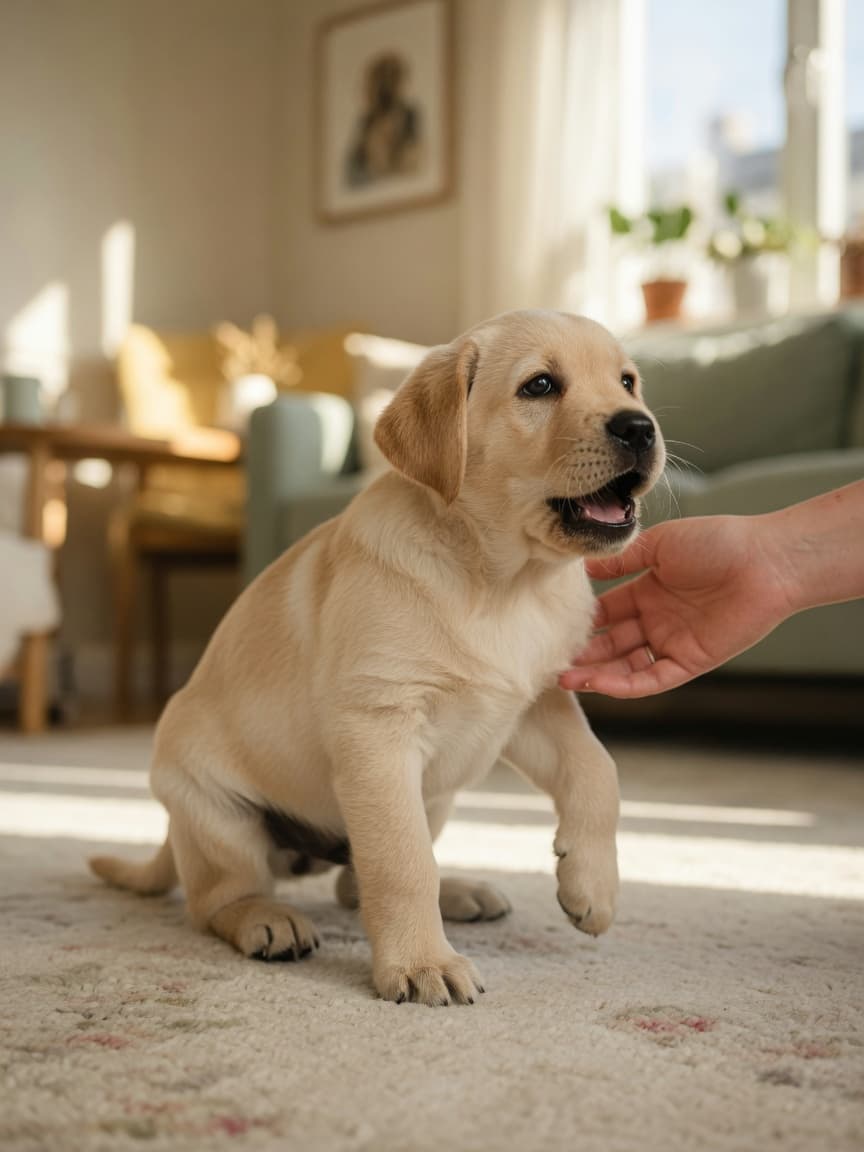
Puppies hiccup so frequently that new owners often ring their vet in a mild panic, convinced something is wrong. Kittens do the same. Even adult dogs and cats get the occasional bout. In almost every case, hiccups in pets are as innocuous as they are in people — a temporary spasm of the diaphragm that resolves without intervention. But understanding what drives them, and knowing the small number of scenarios where they can indicate something more significant, is worthwhile for any attentive owner.
The Biology Behind the Hiccup
A hiccup is the result of an involuntary spasm of the diaphragm — the large dome-shaped muscle that sits beneath the lungs and drives breathing. When the diaphragm contracts suddenly, it causes a rapid intake of breath. The glottis, the opening between the vocal cords, simultaneously snaps shut, producing the characteristic hic sound. In pets this sounds slightly different to the human version, often resembling a small squeak, gulp or body jerk, but the mechanism is identical.
The reflex is controlled by the vagus and phrenic nerves. Any irritation along the nerve pathway or to the diaphragm itself can trigger the response.
Why Puppies and Kittens Hiccup So Often
Young animals hiccup considerably more than adults, and this is entirely normal. The leading explanation is that the hiccup reflex may serve a developmental function in utero, helping to exercise the breathing muscles before birth. After birth, the nervous system continues maturing and the reflex remains easily triggered.
The Role of Feeding
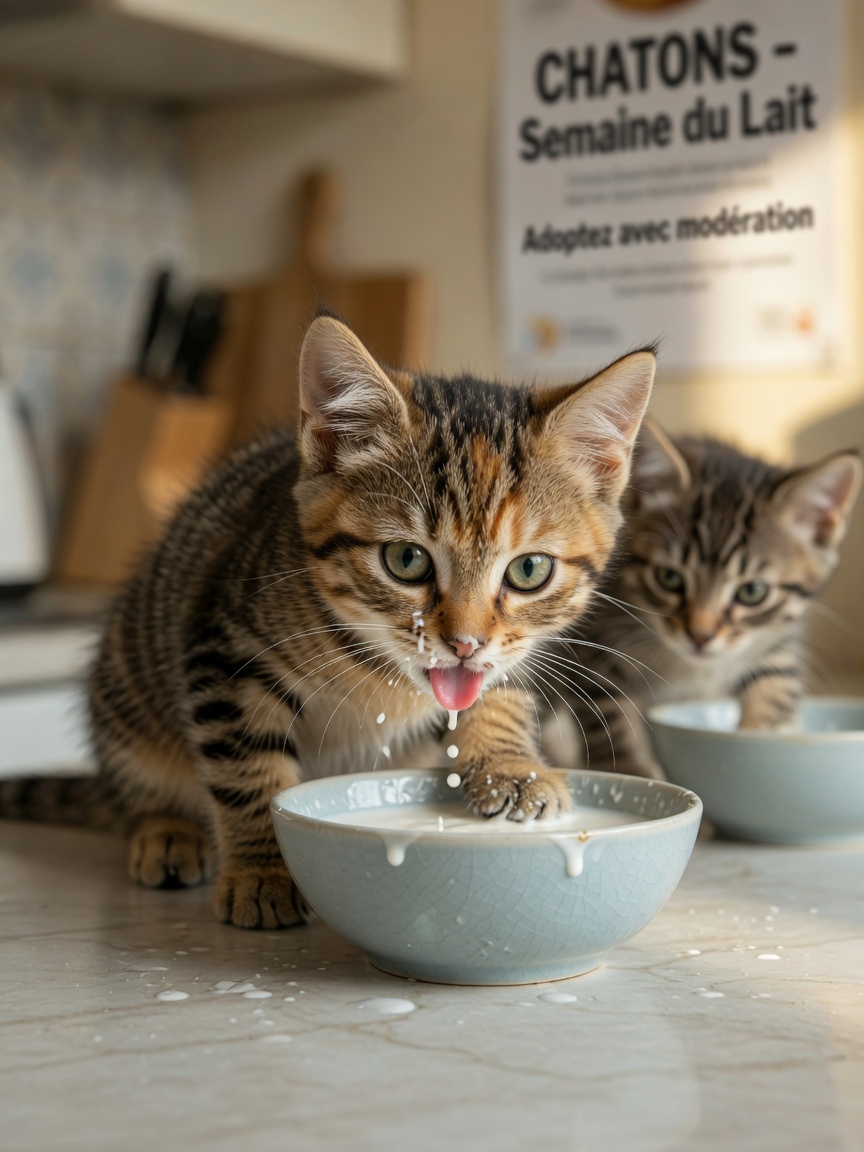
The single most common trigger in young animals is eating or drinking too fast. When a puppy or kitten gulps down food or milk rapidly, they swallow excess air alongside it. This air distends the stomach, which sits directly below the diaphragm, and the resulting pressure provokes spasm. Litter competition — multiple animals competing for the same food bowl — almost guarantees rapid eating and frequent hiccups.
Common Triggers Across All Ages
- Eating or drinking too quickly
- Excitement or vigorous play immediately before or after meals
- Sudden temperature changes, such as cold water on an empty stomach
- Stress or anxiety
- Spicy or irritating foods occasionally given as treats
- Inhaled irritants such as dust or smoke
In cats specifically, hairballs passing through the oesophagus can occasionally trigger what looks like hiccupping but may be retching — a distinction worth watching carefully, as the two can look similar but have different implications.
How Long Is Normal
A typical bout of hiccups in a pet lasts anywhere from a few minutes to around fifteen minutes and resolves entirely on its own. There is nothing you need to do, and no reliable evidence that the old human remedies — holding their breath, drinking upside down — translate to animals in any meaningful way. Offering calm reassurance and perhaps some water once the bout passes is perfectly adequate.
Reducing Frequency in Fast Eaters
- Use a slow-feeder bowl designed to extend meal duration
- Divide daily food into three or four smaller portions rather than one or two large meals
- Separate animals at mealtimes to remove competitive eating pressure
- Allow the animal to settle for twenty to thirty minutes before and after exercise
When Hiccups Warrant a Closer Look
The vast majority of hiccup bouts need no veterinary attention. There are, however, presentations that fall outside the normal range and should prompt a conversation with your vet.
Concerning Features
- Hiccups that persist for more than an hour without any sign of resolving
- Recurring bouts that happen daily or several times a week in an adult animal
- Hiccups accompanied by other symptoms such as lethargy, loss of appetite, vomiting or weight loss
- Difficulty breathing or laboured respiration occurring alongside the hiccups
- Hiccups that appear to cause the animal distress or interrupt sleep repeatedly
Persistent or chronic hiccups can in some cases be associated with gastrointestinal issues including oesophageal disorders, gastro-oesophageal reflux or motility problems. They can also, less commonly, signal respiratory conditions including pneumonia or pleural effusion, where fluid around the lungs irritates the diaphragm. Neurological causes affecting the vagus or phrenic nerves are rare but documented. None of these is the likely explanation for a puppy hiccupping after breakfast, but they are worth ruling out if the pattern is genuinely atypical.
Cats, Hiccups and the Hairball Confusion
It is worth noting that cat owners frequently mistake the pre-hairball retch for hiccupping. The hairball expulsion process typically involves a distinctive hunched posture, repeated abdominal contractions, and a drawn-out gagging sound before the material is expelled. True hiccups in cats are quieter and more rhythmic, without the abdominal heaving. If you are unsure which you are seeing, recording a short video and showing it to your vet is the most efficient way to get clarity.
Key Takeaways for Pet Owners
- Hiccups are normal in pets of all ages, most commonly in puppies and kittens
- Fast eating is the most frequent trigger and is easily addressed with slow-feeder bowls and smaller meals
- A bout lasting under an hour and resolving without other symptoms needs no treatment
- Persistent, frequent or symptom-accompanied hiccups in an adult animal should be assessed by a vet
- Distinguish true hiccups from retching or reverse sneezing, as these have different causes and implications
- When in doubt, a short video recorded on your phone is worth a thousand words at the veterinary consultation