
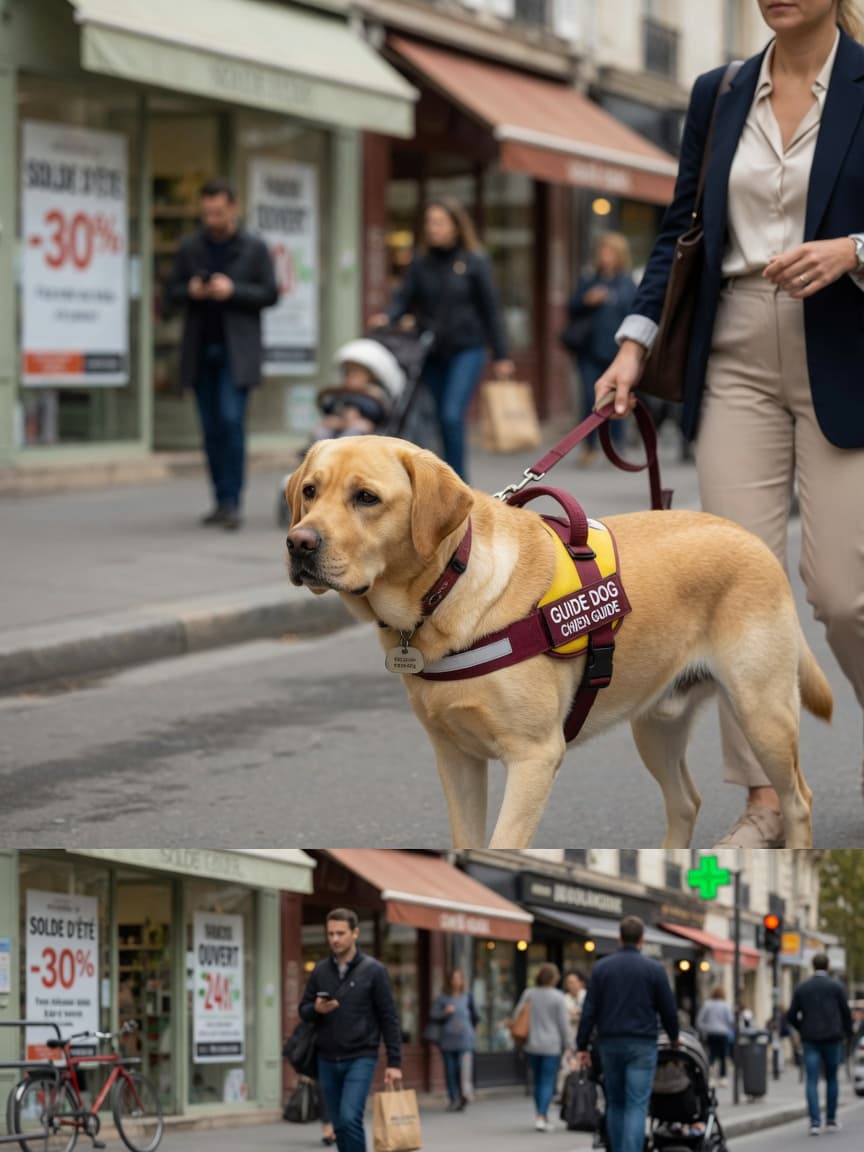
Which Breeds Are Used as Guide Dogs?
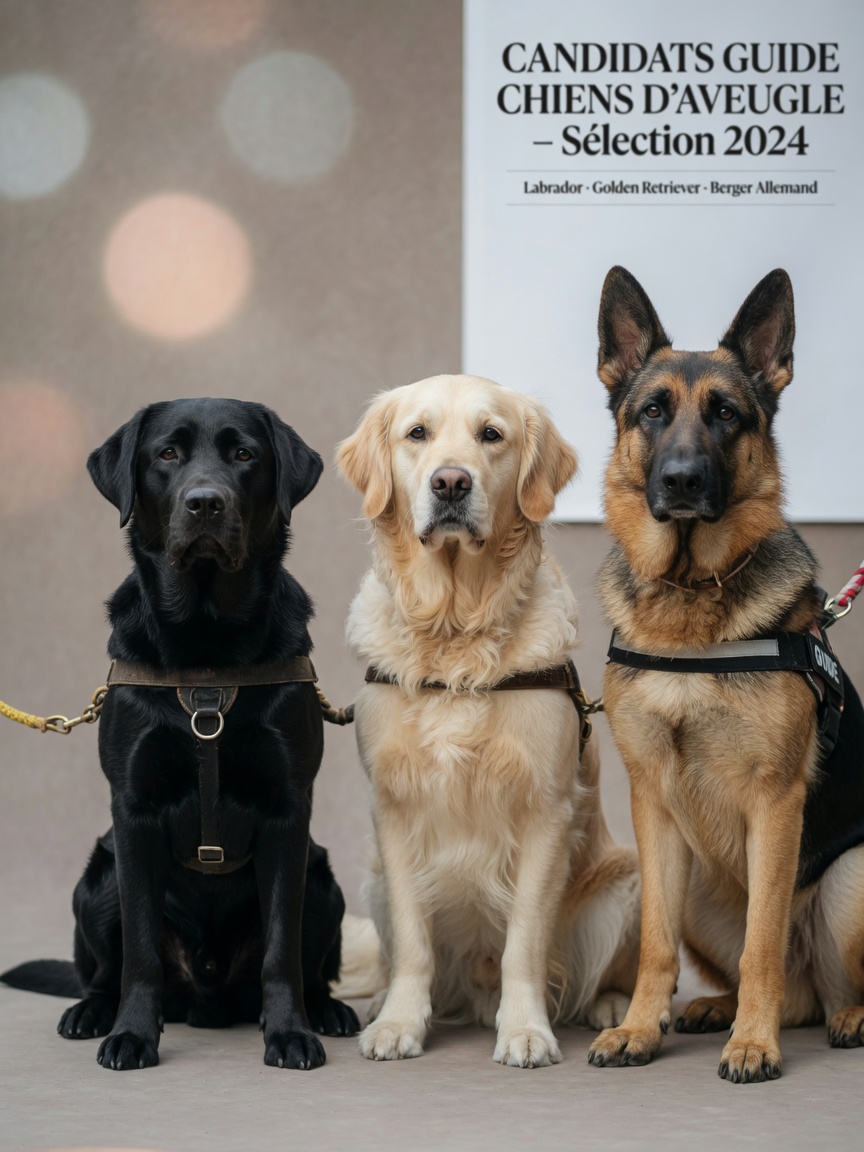
Not every dog has the temperament, intelligence, or physical attributes to succeed as a guide dog. In the United Kingdom, Guide Dogs — the country's leading guide dog charity — breeds and selects its own dogs to maintain consistent standards. A small number of breeds account for the vast majority of working guide dogs.
Labrador Retrievers
The Labrador Retriever is the most common guide dog breed in the UK and for good reason. Labradors combine a calm and biddable temperament with high trainability and a willingness to work closely with humans. Their short, dense coat is easy to maintain and requires minimal grooming, which is practical for owners who may have limited dexterity. Labradors also tend to have a steady response to noise, crowds, and unpredictable environments — qualities that are essential for working in busy urban settings.
Golden Retrievers
Golden Retrievers share many of the Labrador's positive traits, including a gentle disposition and strong motivation to please. They are slightly more sensitive than Labradors and respond well to positive reinforcement methods. Their longer coat requires more regular grooming, which can be a consideration for some guide dog owners. Goldens are often praised for their patience and adaptability, and many owners report a particularly strong emotional bond with this breed.
German Shepherds
German Shepherds were among the first breeds used as guide dogs, with their history in this role dating back to post-World War One Germany. They are intelligent, loyal, and highly responsive to training. However, their strong protective instincts and sensitivity mean they require experienced handling. German Shepherds are less common than Labradors in modern guide dog programmes but remain valued for their reliability and focus.
Labrador-Golden Crosses
Crossbreeding Labradors with Golden Retrievers has become increasingly popular within guide dog programmes. These crosses often combine the trainability and coat practicality of the Labrador with the temperament sensitivity of the Golden Retriever. Hybrid vigour can also reduce the incidence of inherited health conditions, which is a significant factor when breeding working dogs who need long, healthy careers.
How Guide Dogs UK Selects Breeding Stock
The health of breeding dogs is central to the programme's success. Guide Dogs uses a rigorous selection process that goes beyond basic temperament assessment.
Hip and Elbow Scoring
All breeding dogs are assessed under the British Veterinary Association and Kennel Club Hip and Elbow Dysplasia Schemes. Dogs with scores above breed thresholds are excluded from breeding. Hip dysplasia and elbow dysplasia are among the most common causes of early retirement in working dogs, so minimising their prevalence in the breeding population is a priority.
Eye Testing
Hereditary eye conditions such as progressive retinal atrophy, hereditary cataract, and multi-focal retinal dysplasia are screened through annual eye examinations carried out by specialist veterinary ophthalmologists. DNA testing is also used to identify carriers of specific inherited conditions before breeding decisions are made.
Temperament and Character Assessment
Beyond physical health, breeding dogs are selected for their character. Dogs that display anxiety, excessive reactivity, or aggression are not included in the programme regardless of their physical health scores. Guide Dogs assesses not only the individual dog but also the broader family lines to predict the likelihood of consistent temperament in offspring.
The Training Process
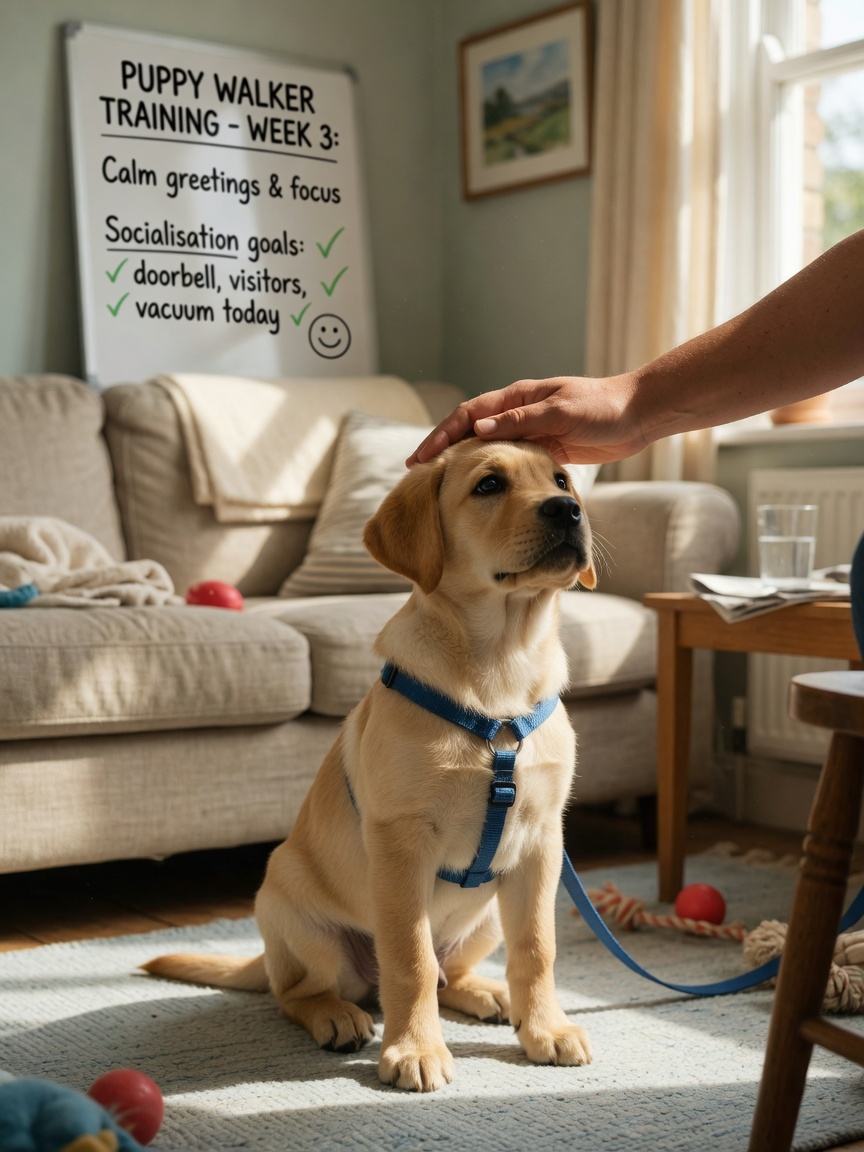
Training a guide dog is a substantial commitment of time and skill. The process typically spans 12 to 18 months and is divided into distinct phases.
Puppies are placed with volunteer puppy walkers at around seven to eight weeks of age. These volunteers provide a home environment where the puppy is socialised with people, traffic, shops, public transport, and other everyday situations. Puppy walkers follow a structured curriculum provided by Guide Dogs and attend regular assessments. This period lasts until the dog is around 12 to 14 months old.
At this point, the dog returns to a Guide Dogs training centre, where specialist trainers begin formal guide work. Dogs learn to walk in a straight line, stop at kerbs, negotiate obstacles, and use intelligent disobedience — the ability to refuse a command that would put the owner in danger, such as stepping into the path of a vehicle. Matching a trained dog with an owner is equally important. Trainers consider the owner's walking pace, lifestyle, home environment, and previous experience with dogs before making a match. The owner then undertakes a residential training period alongside their new dog.
Retirement at Eight to Ten Years
Guide dogs typically retire between the ages of eight and ten, though this varies depending on the individual dog's health and working ability. Retirement is assessed on a case-by-case basis, taking into account factors such as arthritis, joint health, stamina, and the dog's overall enjoyment of work.
Many guide dogs are retired into the home of their current owner, who may choose to keep the dog as a pet. Where this is not possible, Guide Dogs manages a rehoming programme. Retired guide dogs generally make excellent family pets. They are well socialised, calm, and trained to a high standard. There is typically a waiting list for retired guide dogs, reflecting the high regard in which these animals are held.
The charity provides support to new owners of retired guide dogs and offers advice on adjusting routines for a dog moving from a working role into retirement. This transition period is managed carefully to ensure the dog's wellbeing and comfort in their new chapter of life.
Supporting the Work of Guide Dogs
Guide Dogs UK is a charity that relies significantly on public donations and the work of volunteers. Becoming a puppy walker, fundraising, or sponsoring a guide dog puppy are all ways the public can contribute to this vital service. The charity trains around 700 to 900 guide dogs per year, but the waiting list for dogs remains long, reflecting the ongoing demand for this life-changing support.