

The Question Every Pet Owner Dreads Answering at Check-In
Every year, thousands of pet owners arrive at airports underprepared for what flying with an animal actually involves. Policies differ dramatically between airlines, routes, and species. Understanding the distinction between cabin travel and cargo transport — and knowing which carriers permit what — can save considerable stress, money, and in some cases, your pet's life.
Cabin Travel: Who Qualifies and What It Involves
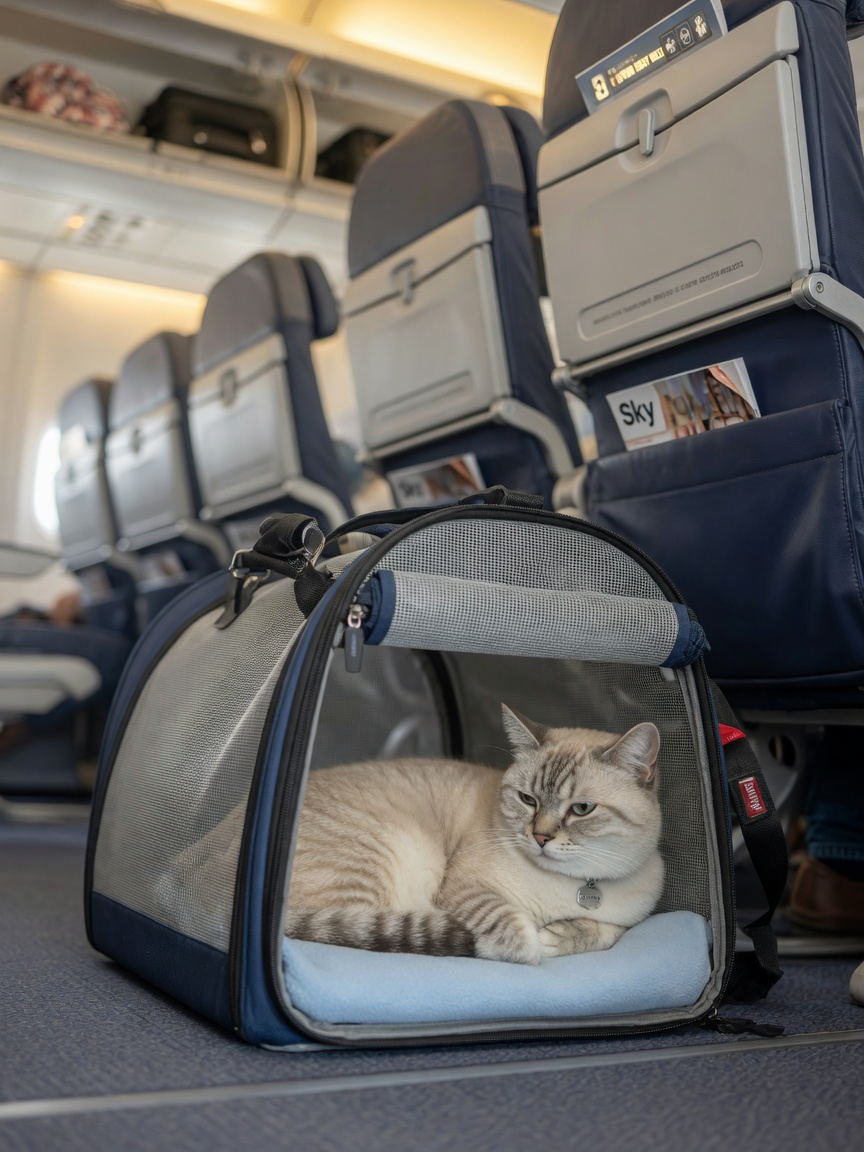
Most airlines that permit cabin travel restrict it to small dogs and cats, typically with a combined weight of pet plus carrier not exceeding five to eight kilograms. The carrier must fit under the seat in front of you. Your pet must remain inside the carrier for the entire flight. Breed restrictions apply on many carriers — brachycephalic (flat-faced) breeds such as Bulldogs, Pugs, Persian cats, and French Bulldogs are frequently excluded even from cabin travel due to breathing risks.
In the UK and Europe, airlines including British Airways, easyJet, and Ryanair do not permit pets in the cabin (with the exception of registered assistance dogs). Carriers such as Lufthansa, KLM, Air France, and several others do allow small pets in cabin on European and some international routes. Booking must be done directly with the airline — third-party booking platforms often do not capture pet reservations accurately.
The Cargo Hold: Understanding the Risks and Realities
Conditions in the Hold
Modern passenger aircraft cargo holds designated for live animals are temperature-controlled and pressurised to the same standard as the cabin. The primary risks are not temperature extremes mid-flight but rather tarmac delays in hot or cold conditions, mishandling during transfers, and stress-related incidents. The International Air Transport Association (IATA) publishes Live Animals Regulations that reputable airlines follow; it is worth confirming that any airline you book with adheres to these standards.
Which Pets Travel as Cargo
Larger dogs that cannot fit under a seat typically travel as accompanied excess baggage in the hold, meaning they travel on the same aircraft as you. This differs from cargo shipment, which is unaccompanied freight — a service used for relocating animals internationally and involving specialist pet-transport companies.
Breed Restrictions in the Hold
Flat-faced breeds face restrictions not only in the cabin but in cargo as well. Multiple airlines — including British Airways, Qantas, and United — have banned snub-nosed breeds from hold travel entirely following documented in-flight fatalities. If you own a brachycephalic breed, consult your vet well before booking any flight to understand the genuine risks.
Airline Policies: A Practical Overview
- British Airways: No pets in cabin; dogs and cats in hold on selected routes; brachycephalic breeds banned from hold.
- Lufthansa: Small pets in cabin on most European routes; larger pets in hold; breed restrictions apply.
- Air France: Cabin pets permitted under eight kilograms; hold travel available; no flat-faced breeds.
- KLM: Cabin pets permitted; hold travel available with IATA-approved crate requirements.
- Ryanair and easyJet: No pets in cabin or hold except registered assistance dogs.
- Emirates and Qatar Airways: No pets in cabin; hold transport available on select routes; no snub-nosed breeds.
Policies change regularly. Always verify directly with the airline before booking, and obtain written confirmation of your pet's booking — verbal assurances are not enforceable.
Preparing Your Pet for a Flight
Health Certificates and Documentation
Most airlines require a veterinary health certificate issued within ten days of travel. For international journeys, additional documentation — including proof of rabies vaccination, parasite treatment, and for some countries a government-endorsed health certificate — will be required. Post-Brexit, UK pet owners travelling to the EU need a valid Animal Health Certificate (AHC) issued by an Official Veterinarian, not the old pet passport. Allow at least three weeks to arrange this properly.
Crate Training
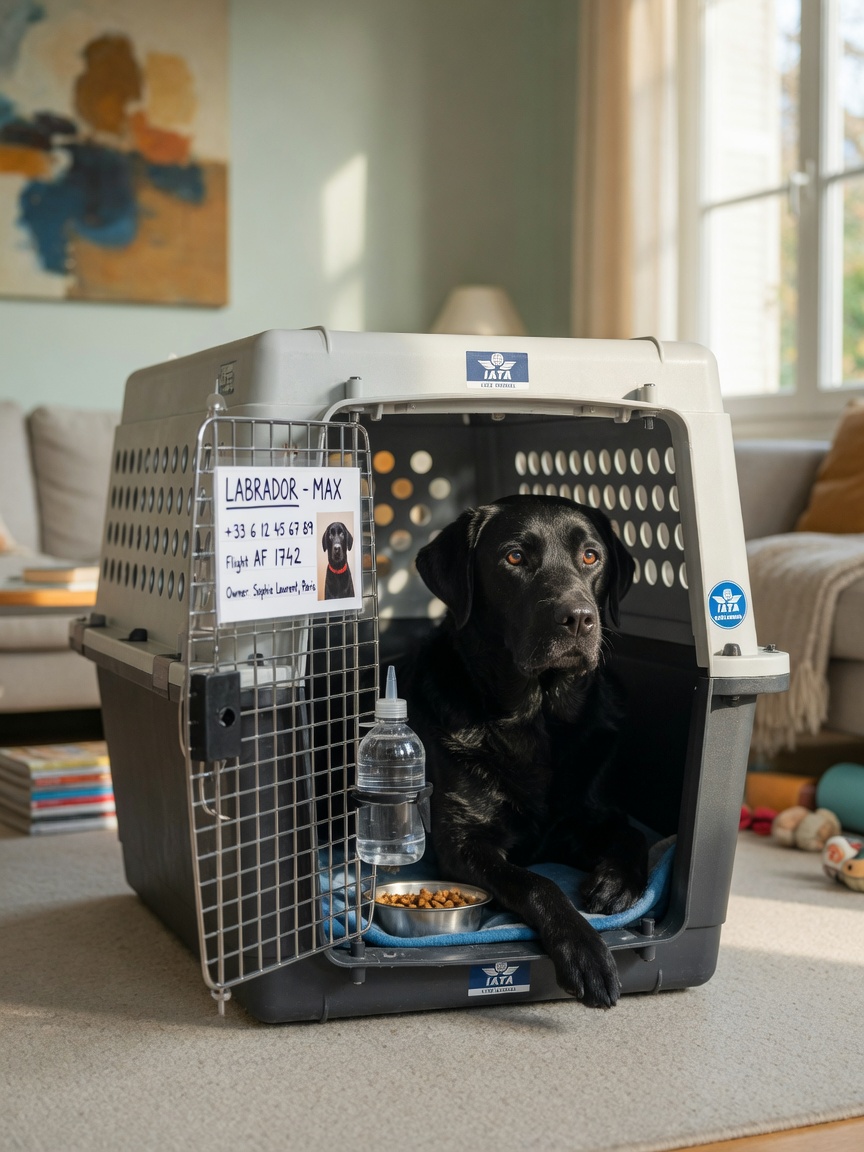
If your pet is travelling in the hold, weeks of crate familiarisation beforehand significantly reduces stress. The crate should meet IATA specifications: rigid construction, adequate ventilation on at least three sides, water and food dishes accessible from outside, and sufficient space for the animal to stand, turn, and lie down. Label the crate clearly with your contact details and a photograph of the animal.
When Flying Is Not the Right Choice
For elderly pets, those with cardiovascular or respiratory conditions, or animals with severe anxiety, flying carries genuine health risks. A conversation with your vet before booking is not optional — it is essential. In some cases, travelling by alternative means, arranging professional pet transport, or rehoming your pet temporarily with a trusted carer may genuinely be the most humane decision.