
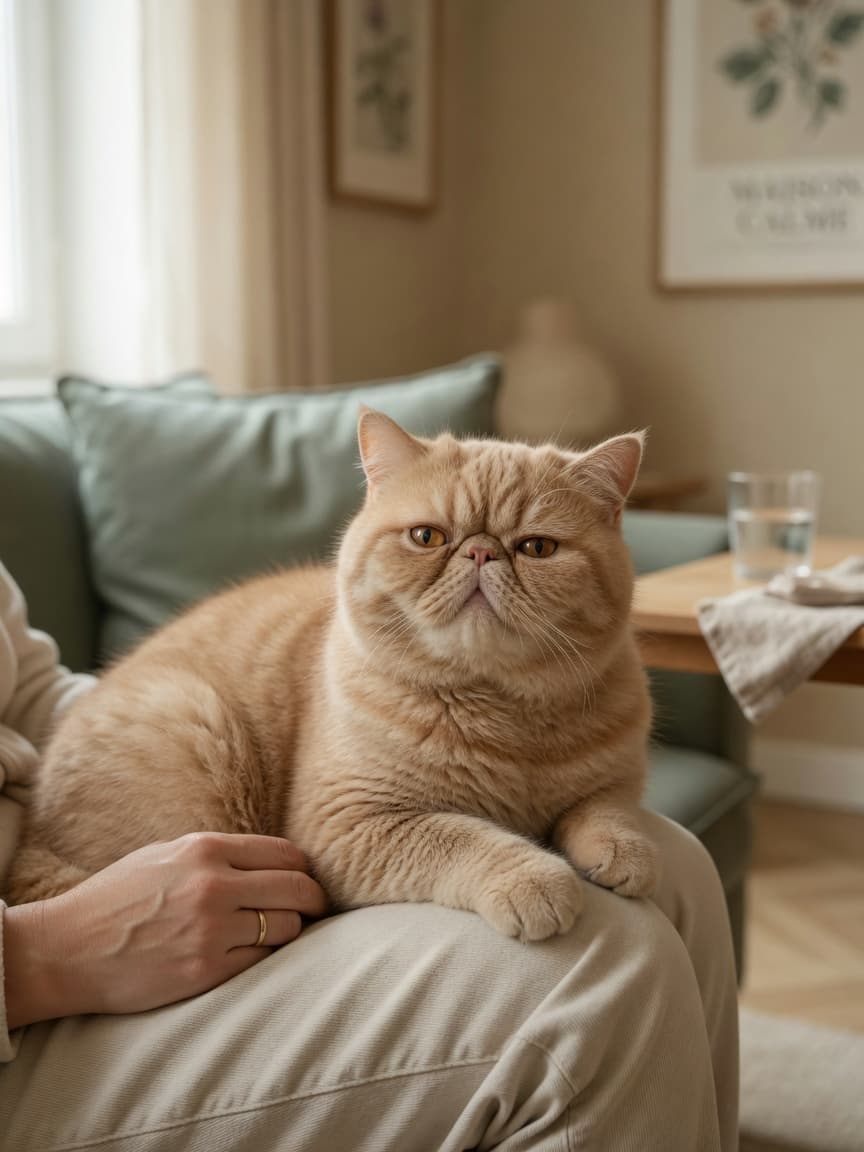
The Exotic Shorthair is often described as the "lazy man's Persian" — a placid, affectionate cat with the same doll-like face but a low-maintenance plush coat. This breed suits owners who want a calm, home-loving companion rather than an athletic explorer, though its flattened face brings a well-documented set of breathing, eye, and dental issues that prospective owners should understand before bringing one home.
Breed Overview
- Size: Medium, cobby build; typically 3.5–7kg depending on sex and frame
- Lifespan: Commonly reported as 10–15 years with attentive care
- Coat: Short, dense, plush "teddy bear" coat that stands away from the body
- Origin: Developed in the United States in the 1960s by crossing American Shorthairs with Persians, aiming to keep the Persian look with an easier-care coat
Temperament & Family Fit
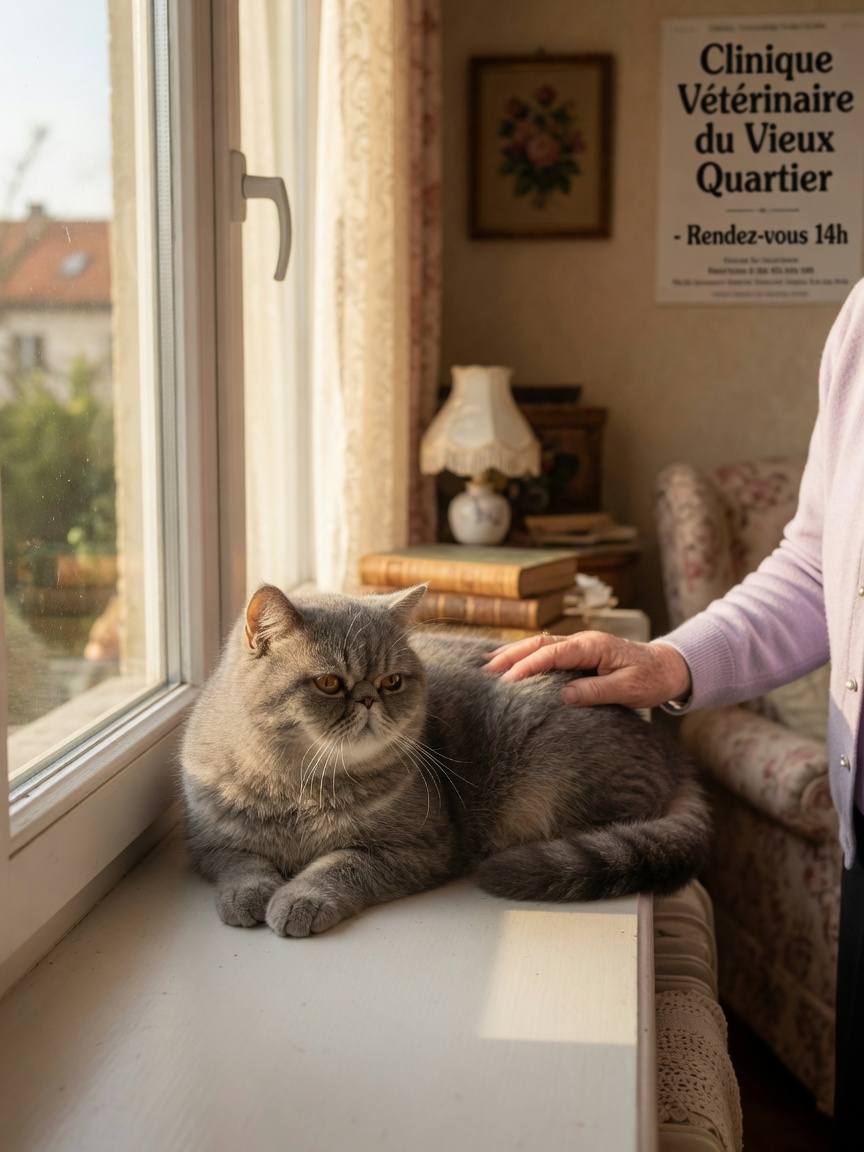
Exotic Shorthairs are gentle, quiet, and undemanding cats. They tend to form close bonds with their household but are rarely clingy or vocal, preferring a comfortable lap or a favourite windowsill to acrobatics or high shelves. This makes them a good match for calmer households, first-time cat owners, retirees, or families with older, gentler children who understand how to handle a cat with respect.
They generally cope well with a resident dog or another placid cat, provided introductions are gradual. Because of their laid-back nature, they don't need constant entertainment, but they do appreciate routine, a settled environment, and owners who are around enough to provide company — they are not a breed that thrives on long periods of isolation.
Their placid temperament also means they are unlikely to self-advocate when something is wrong. Owners need to be proactive observers, since an Exotic Shorthair may simply become quieter or less active rather than showing obvious distress.
Health Issues in Exotic Shorthairs
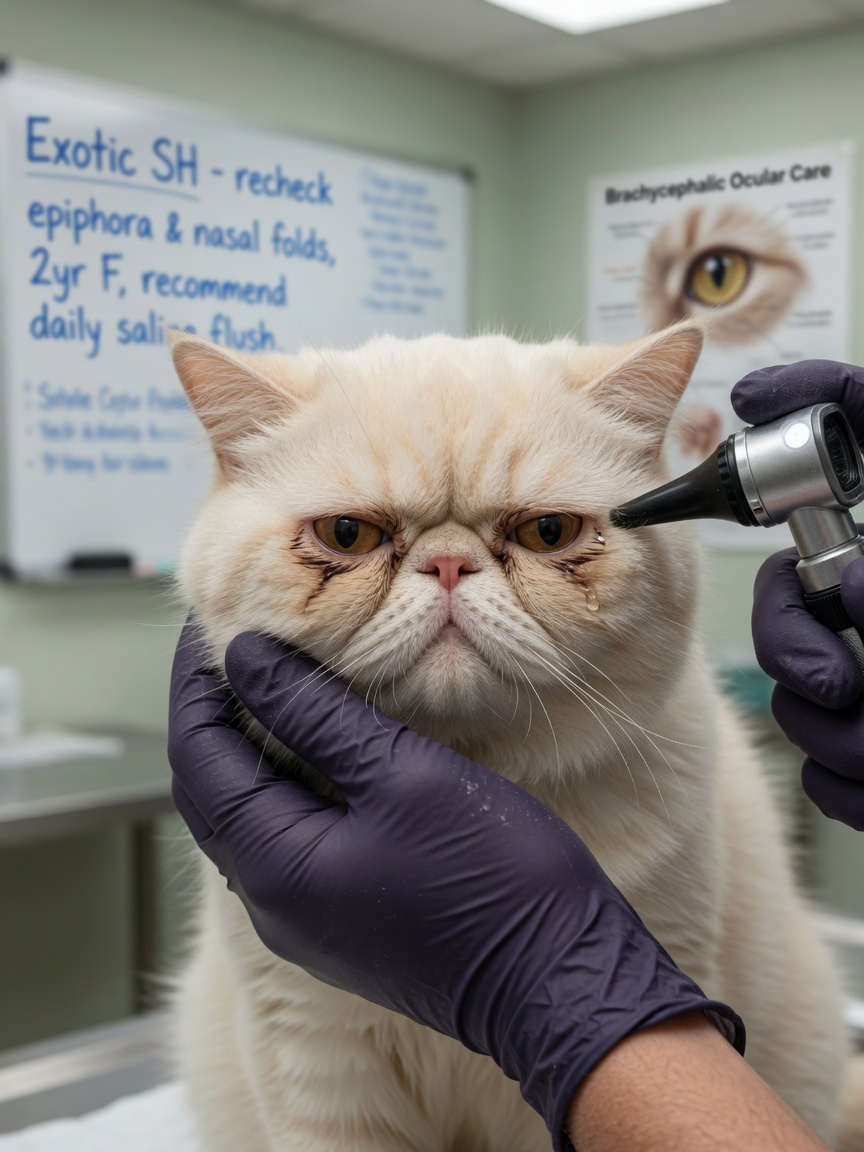
As a brachycephalic (flat-faced) breed closely related to the Persian, the Exotic Shorthair carries several inherited and structural health predispositions that are well recognised by vets and breed clubs. Responsible breeding and health screening can reduce risk, but owners should still know what to watch for.
Polycystic Kidney Disease (PKD)
PKD is an inherited condition in which fluid-filled cysts gradually develop within the kidneys, slowly compromising kidney function over time. It is one of the most significant hereditary concerns in Persian and Exotic-type cats. Early signs are often subtle — increased thirst, more frequent urination, weight loss, or reduced appetite — and typically appear in middle age rather than kittenhood.
Owners can ask breeders whether parent cats have been screened by ultrasound or genetic testing for PKD, and should arrange regular veterinary wellness checks, including bloodwork and urinalysis, as the cat matures so that any decline in kidney function is caught early.
Brachycephalic Airway Issues
The Exotic's flattened face and shortened nasal passages can restrict normal airflow, a condition often grouped under brachycephalic airway syndrome. Affected cats may snore, breathe noisily, tire quickly, or struggle in hot or humid weather. Some individuals are more mildly affected than others, so severity varies considerably between cats.
Signs to watch for include open-mouth breathing, laboured breathing after mild exertion, or reluctance to move in warm conditions. Keeping the cat at a healthy weight, avoiding overheating, and choosing a vet experienced with brachycephalic breeds for anaesthetic procedures are practical steps owners can take.
Eye Conditions (Epiphora and Corneal Issues)
The shallow eye sockets and shortened tear ducts common in this breed frequently lead to epiphora — excessive tear overflow that causes staining beneath the eyes. The prominent eyes are also more exposed to trauma and drying, which can increase the risk of corneal ulcers or irritation.
Owners typically notice persistent damp or stained fur around the eyes, or a cat squinting or pawing at its face. Gentle daily cleaning around the eyes with a damp cloth, and prompt veterinary attention for any redness, cloudiness, or squinting, helps prevent minor irritation from becoming a more serious corneal problem.
Dental Malocclusion
The shortened jaw structure that gives the Exotic its flat-faced appearance can also cause the teeth to align poorly, sometimes resulting in overcrowding or difficulty with normal chewing. This can contribute to a build-up of plaque and a higher likelihood of dental disease over the cat's life.
Bad breath, dropping food while eating, or pawing at the mouth are worth mentioning to a vet. Routine dental checks as part of annual health visits, along with dental-friendly diets or veterinary-approved chews, can help manage this lifelong tendency.
Hypertrophic Cardiomyopathy (HCM)
HCM, a thickening of the heart muscle, is commonly reported across many pedigree and non-pedigree cats, and is recognised as a concern within Persian-related breeds including the Exotic Shorthair. It can develop silently for a long period before signs appear, which is why some breeders screen breeding cats via cardiac ultrasound.
Subtle signs can include reduced activity, rapid breathing, or in more advanced cases, sudden lethargy or collapse. Because early HCM often shows no outward symptoms, periodic veterinary check-ups including heart auscultation are the main tool for catching it before it progresses.
Skin Fold Dermatitis
The facial folds and flattened features can trap moisture and debris, occasionally leading to localised skin irritation or infection, particularly around the nose and eye area. This is generally less pronounced than in the long-haired Persian but still worth monitoring.
Redness, odour, or discharge in facial folds are early indicators. Gentle regular cleaning of facial creases and keeping the area dry can prevent minor irritation from progressing. Owners noticing recurring redness or itchiness elsewhere on the body may also find our guide to skin allergies useful background reading, as many of the same principles around identifying triggers apply across species.
Nutrition & Feeding
Exotic Shorthairs do best on a high-quality, complete diet appropriate to their life stage, with portion control taken seriously given their tendency towards a sedentary lifestyle and predisposition to weight gain. Because dental malocclusion is common in this breed, some owners find that a kibble specifically designed to encourage chewing, or softer food for cats with more pronounced jaw issues, works better than a one-size-fits-all approach — a vet or vet nutritionist can advise on the best format for an individual cat's mouth structure.
Given the kidney concerns associated with this breed, fresh water availability and diets that support urinary and renal health are worth discussing with a vet, particularly as the cat enters middle age. As with any pet, growth-stage nutrition matters early on; while our guide to growth stages is written with dogs in mind, the underlying principle of matching nutrition to developmental stage applies just as much to a growing kitten. For older cats, feeding strategies that support joint and organ health become increasingly relevant, echoing much of the reasoning behind our senior nutrition guidance for ageing pets generally.
Grooming & Care
One of the main appeals of the Exotic Shorthair is its comparatively easy-care coat. Unlike the Persian, it does not mat readily, but the dense, plush texture still benefits from brushing once or twice a week to remove loose hair and reduce shedding around the home.
Facial care is a bigger part of grooming than coat care for this breed. Daily wiping of the eye area helps manage tear staining, and the facial folds should be checked regularly for cleanliness. Nails should be trimmed routinely, and because this is a breed prone to a sedentary lifestyle, monitoring weight through regular hands-on checks (feeling for a waist and ribs) is an important part of ongoing care.
Routine veterinary visits should include attention to heart, kidney, eye, and dental health given the breed's known predispositions, rather than waiting for symptoms to appear.
Exercise & Training Needs
Exotic Shorthairs are not a high-energy breed and are content with modest daily activity — short bursts of play with a wand toy or ball, rather than long active sessions. However, because they are prone to weight gain and because obesity can worsen both breathing difficulties and joint strain, encouraging some form of daily movement is genuinely important rather than optional.
Simple environmental enrichment — puzzle feeders, climbing perches at a manageable height, and short interactive play sessions — helps keep them mentally engaged and physically active without overexerting a breed that can struggle in heat or with prolonged exertion. Training in the traditional sense is uncommon, though many Exotic Shorthairs respond well to gentle positive reinforcement for simple behaviours like coming when called or tolerating grooming and handling, which is useful given their frequent need for face and eye care.
FAQs
Are Exotic Shorthairs hypoallergenic?
No. There is no truly hypoallergenic cat breed, and Exotic Shorthairs produce the same allergen proteins as other cats. Their short coat may shed less visibly than a Persian's long fur, but this does not mean reduced allergen production. Anyone with allergies should spend time with the breed before committing to ownership.
Do Exotic Shorthairs get along with other pets?
Generally, yes. Their calm, non-confrontational nature usually makes them adaptable to living with other cats or gentle dogs, provided introductions are gradual and the other animal is similarly easy-going. They are unlikely to instigate conflict but may also be easily overwhelmed by a boisterous companion.
Why does my Exotic Shorthair snore or breathe noisily?
Noisy breathing is fairly common in flat-faced breeds due to the shortened nasal passages and airway structure. While mild snoring is often considered a normal feature of the breed, any laboured breathing, open-mouth breathing, or breathing difficulty after mild activity should be assessed by a vet, as it can indicate a more restrictive airway needing management.
How much grooming does an Exotic Shorthair actually need?
Considerably less than a Persian, but not zero. Expect to brush the coat weekly, clean the eye area daily or every other day to manage tear staining, and check facial folds regularly. Many owners find this a manageable routine compared with the daily grooming a long-haired Persian requires.
This guide is intended for general information purposes only and does not replace individual veterinary advice. Always consult a qualified vet for guidance specific to your cat's health, history, and needs.