

Understanding Epilepsy in Dogs
Epilepsy is one of the most common neurological conditions affecting dogs, with estimates suggesting it impacts around 0.6 to 0.75 per cent of the canine population. For owners who witness a seizure for the first time, the experience can be frightening and deeply distressing. Understanding what is happening in your dog's brain, and how to manage it long term, makes an enormous difference to both your confidence and your dog's quality of life.
The Different Types of Seizures
Not all seizures look the same, and recognising the type your dog is experiencing helps your vet determine the most appropriate treatment plan.
Generalised Tonic-Clonic Seizures
These are the most commonly recognised form. The dog loses consciousness, falls to one side, and exhibits rhythmic paddling or jerking of the limbs. Muscle rigidity, jaw chomping, drooling, urination, and defaecation can all occur. These typically last between one and three minutes.
Focal Seizures
Focal seizures originate in one specific area of the brain and may produce more subtle signs. A dog might experience facial twitching, repetitive blinking, lip licking, or unusual movements of a single limb. Owners sometimes mistake these for odd behaviour rather than a neurological event.
Absence Seizures
Less common in dogs than in humans, absence seizures involve brief lapses in consciousness. The dog may appear to stare blankly or seem momentarily disconnected from its surroundings, then return to normal almost immediately.
Cluster Seizures
Cluster seizures involve two or more seizures within a 24-hour period. These are considered a veterinary emergency as they significantly increase the risk of brain damage due to prolonged oxygen deprivation and hyperthermia.
Causes and Classification
Epilepsy in dogs is classified into two broad categories: idiopathic and structural.
Idiopathic epilepsy has no identifiable structural cause and is thought to have a strong genetic component. It is most commonly diagnosed in dogs between one and five years of age and is the most prevalent form of epilepsy seen in veterinary practice. Breeds with a known predisposition include Border Collies, Labrador Retrievers, Belgian Shepherds, Golden Retrievers, and Beagles.
Structural epilepsy arises from an underlying brain abnormality such as a tumour, inflammatory disease, trauma, or infection. Reactive seizures, meanwhile, occur in response to metabolic disturbances including hypoglycaemia, liver disease, or toxin exposure. These are not technically epilepsy but are often described in the same context.
Common Triggers to Watch For
Whilst the underlying cause of epilepsy determines the seizure threshold, certain factors can lower that threshold and provoke episodes in susceptible dogs. These include:
- Stress and anxiety, including changes in routine or environment
- Sleep deprivation or disruption
- Excitement or intense physical exertion
- Certain foods and dietary supplements, particularly those containing rosemary extract in high concentrations
- Flashing lights or visual stimulation in photosensitive individuals
- Hormonal changes, particularly in intact females during oestrus
Keeping a detailed seizure diary, noting the date, time, duration, and any potential triggers, is one of the most valuable things an owner can do. This record aids your vet in identifying patterns and adjusting treatment accordingly.
Diagnosis
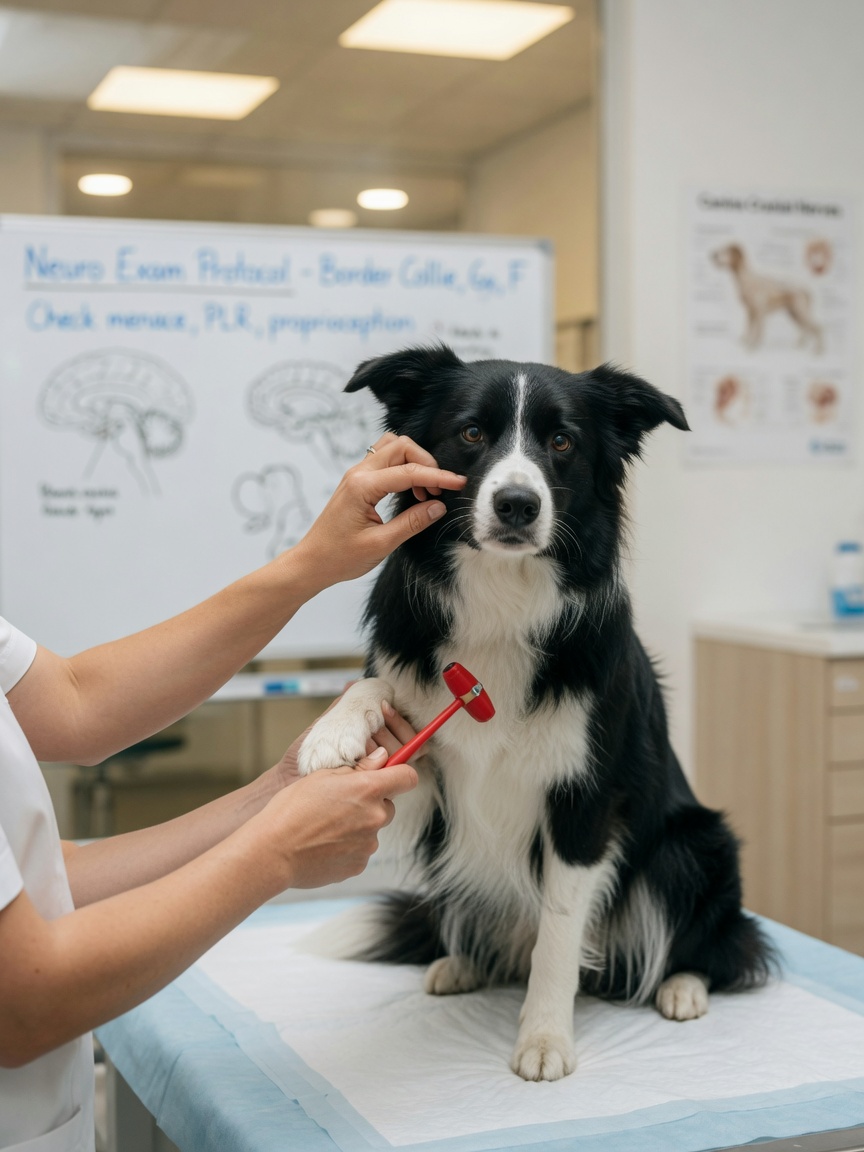
There is no single test that diagnoses epilepsy. Your vet will begin with a thorough clinical history and neurological examination, followed by blood and urine tests to rule out metabolic causes. If idiopathic epilepsy cannot be confirmed on clinical grounds alone, referral to a veterinary neurologist for MRI and cerebrospinal fluid analysis is often recommended.
Long-Term Medical Management

The goal of epilepsy management is not necessarily to eliminate seizures entirely, but to reduce their frequency and severity whilst minimising side effects and maintaining quality of life. Treatment is generally considered when a dog experiences more than one seizure per month, cluster seizures, or status epilepticus.
Phenobarbitone
This remains the first-line anti-epileptic drug of choice in the UK. It is effective, affordable, and well studied. Phenobarbitone can cause sedation, increased appetite, thirst, and urination, particularly during the initial weeks of treatment. Long-term use requires regular blood monitoring to assess liver function and drug serum levels.
Potassium Bromide
Often used as an add-on therapy when phenobarbitone alone does not achieve adequate control. It has a long half-life, meaning levels stabilise slowly. Side effects include sedation, incoordination, and increased thirst.
Newer Antiepileptic Drugs
Imepitoin is licensed specifically for dogs with idiopathic epilepsy in Europe and is considered a gentler first-line option in mild to moderate cases. Levetiracetam and zonisamide are increasingly used as add-on therapies and are well tolerated in most dogs.
Living With an Epileptic Dog
Once a management plan is in place, most epileptic dogs lead full and happy lives. There are practical steps owners can take to support their dog's wellbeing:
- Never leave an epileptic dog unattended near water, including ponds, pools, or unattended baths
- Avoid abrupt changes to medication without veterinary guidance, as this can precipitate breakthrough seizures
- Maintain a consistent routine to minimise stress
- Ensure all family members know what to do during a seizure — stay calm, do not restrain the dog, remove hazards from the area, and time the episode
- Contact your vet immediately if a seizure lasts longer than five minutes or if cluster seizures occur
Regular veterinary check-ups, typically every six months, are essential to monitor drug levels, organ function, and overall seizure control. With the right support, epilepsy is a manageable condition rather than a life-limiting one.