
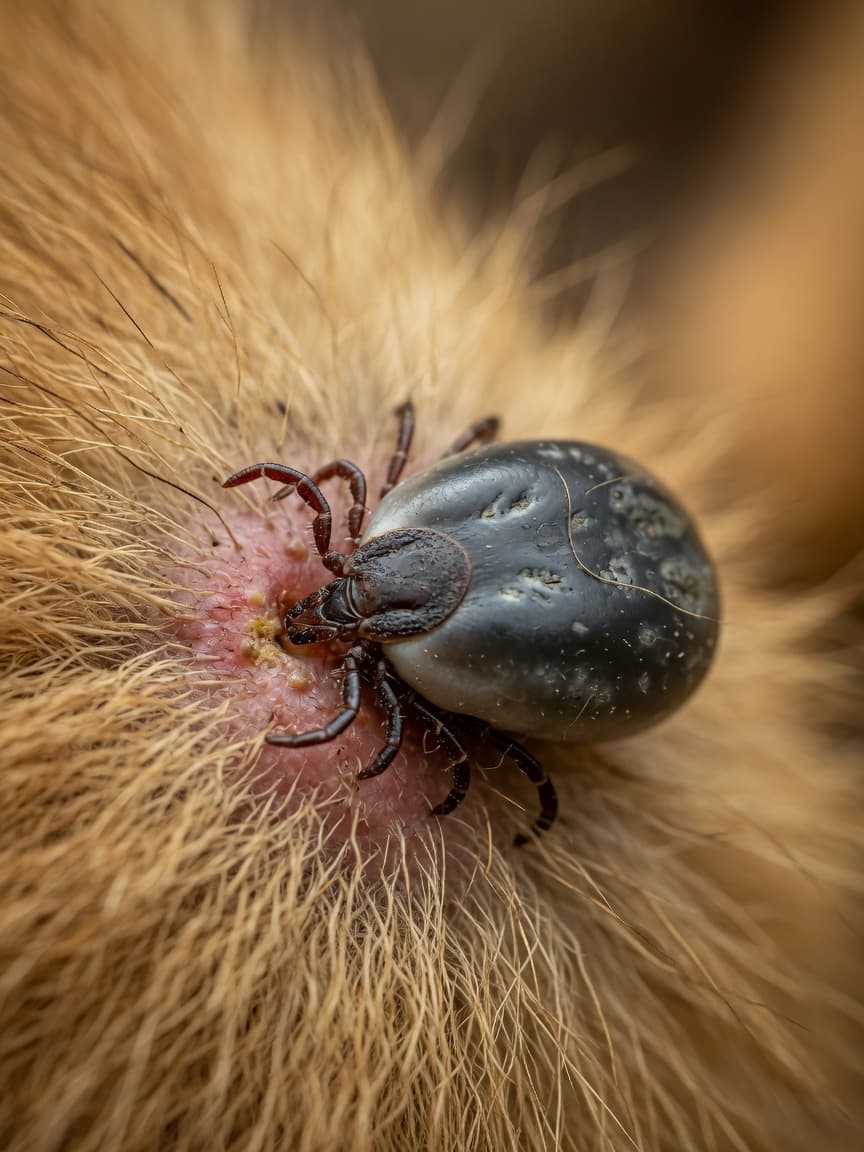
Why Ticks Are a Major Threat to Dogs in Europe
Ticks are among the most medically significant external parasites affecting dogs in Europe. Unlike fleas, which are primarily a nuisance, ticks can transmit a range of serious — and potentially fatal — diseases within just hours of attachment. With tick populations expanding across the continent due to milder winters and changing land use, more dogs across more regions are now at risk than ever before.
European dogs face exposure to four main tick-borne diseases: Lyme disease (borreliosis), Ehrlichiosis, Babesiosis, and Anaplasmosis. Each is caused by a different pathogen, transmitted by different tick species, and concentrated in different parts of Europe — though with considerable overlap in some regions.
Lyme Disease (Borreliosis)
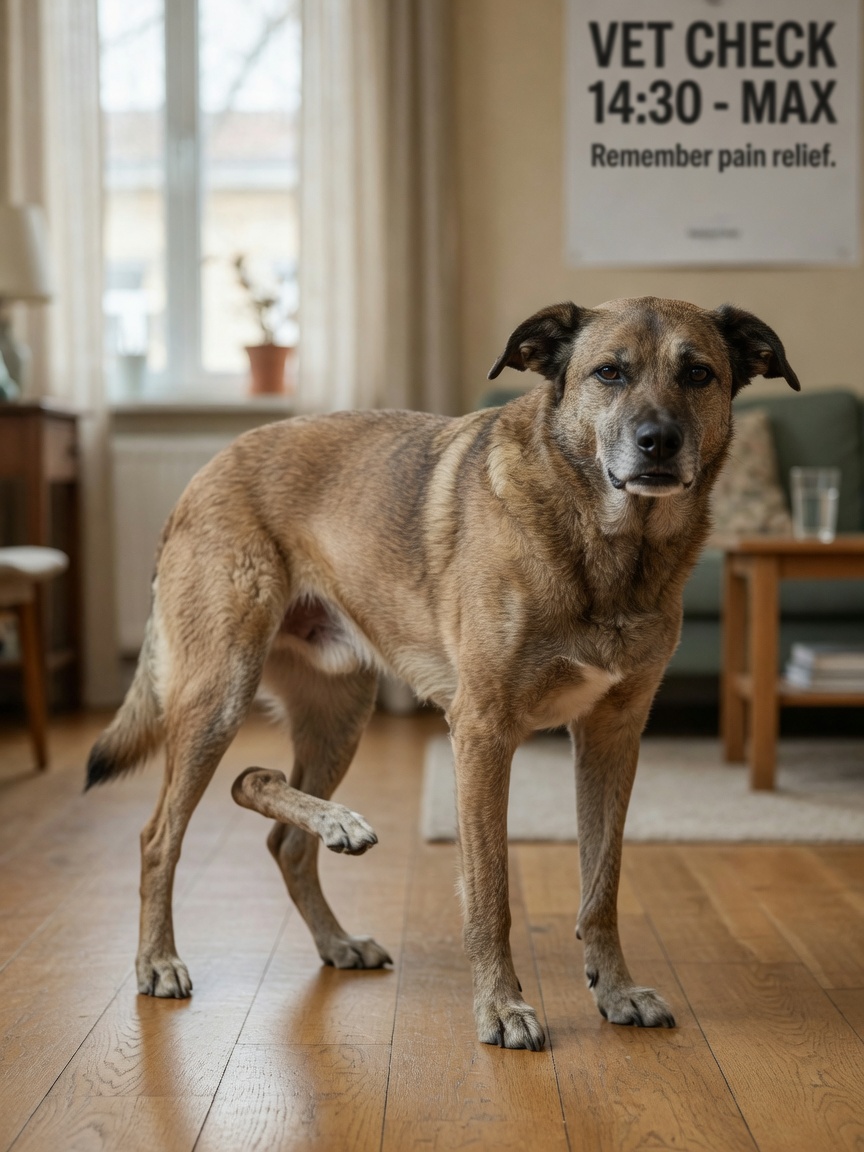
Caused by the bacterium Borrelia burgdorferi sensu lato, Lyme disease is transmitted primarily by the castor bean tick (Ixodes ricinus) — the most widespread tick in Europe. It is most common in Northern and Central Europe: Germany, Scandinavia, the Baltic states, Poland, the UK, Austria, and Switzerland are all high-prevalence areas.
Many dogs exposed to Borrelia show no clinical signs, but those that do develop illness may present with:
- Shifting lameness — the dog appears lame in different legs on different days
- Joint swelling and pain
- Fever and lethargy
- Loss of appetite
- In rare, severe cases: kidney disease (Lyme nephritis), which can be fatal
Diagnosis involves blood serology (antibody tests) alongside clinical signs. Treatment is with antibiotics, typically doxycycline for 4 to 6 weeks. A Lyme disease vaccine for dogs is available in some EU countries and may be recommended for high-risk dogs.
Ehrlichiosis
Canine monocytic ehrlichiosis is caused by Ehrlichia canis, transmitted by the brown dog tick (Rhipicephalus sanguineus). It is primarily a disease of the Mediterranean region — Spain, Portugal, Italy, Greece, southern France, and the Balkans — though it has been reported further north in dogs returning from travel.
The disease has three phases:
- Acute phase (1–4 weeks after infection): fever, lethargy, loss of appetite, swollen lymph nodes, nasal discharge
- Subclinical phase: the dog appears to recover but the parasite persists; this phase can last months or years
- Chronic phase: severe weight loss, bleeding disorders, anaemia, eye problems, and neurological signs
Early diagnosis and treatment with doxycycline (typically for 4 to 6 weeks) is very effective. Chronic disease is significantly harder to treat and can be life-threatening.
Babesiosis
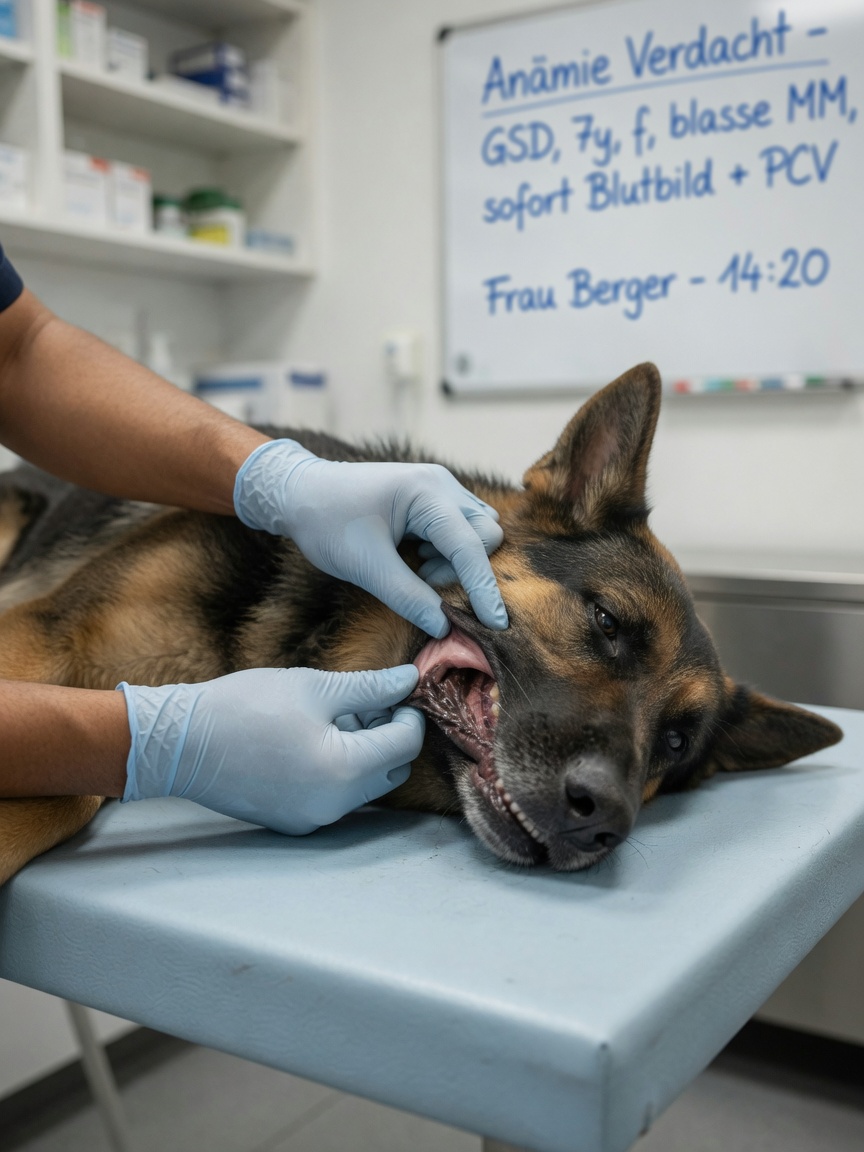
Canine babesiosis is caused by protozoan parasites of the genus Babesia, which destroy red blood cells. Babesia canis — transmitted by Dermacentor reticulatus, the marsh tick — is the most clinically important species in Europe and is widespread across much of the continent, including France, Germany, Poland, the Czech Republic, Slovakia, and the Balkans.
Babesiosis can be rapidly fatal if not treated promptly. Signs include:
- Sudden onset of lethargy and weakness
- Pale or yellowish gums (haemolytic anaemia and jaundice)
- Dark or red-tinged urine (haemoglobinuria)
- High fever
- Rapid breathing and collapse in severe cases
Diagnosis is via blood smear (to visualise the parasite inside red blood cells) and PCR testing. Treatment involves antiparasitic drugs — imidocarb dipropionate is the standard in Europe — along with supportive care. Blood transfusions may be needed in severe anaemia. A vaccine against B. canis is licensed in some EU countries.
Anaplasmosis
Canine anaplasmosis is caused by Anaplasma phagocytophilum, transmitted by the same Ixodes ricinus tick that spreads Lyme disease. It is most prevalent in Northern Europe — Scandinavia, the UK, Ireland, and northern Germany — but occurs throughout the range of its tick vector.
Signs are typically acute and include:
- Fever and lethargy
- Loss of appetite
- Joint pain and reluctance to walk
- Vomiting and diarrhoea
- Low platelet count (thrombocytopaenia), which can cause unusual bruising
Diagnosis is via blood film, serology, or PCR. Like Lyme disease, anaplasmosis responds well to doxycycline, with most dogs improving within days of starting treatment.
Tick Seasons Across EU Climate Zones
Tick activity varies significantly across Europe's diverse climates. As a general guide:
- Mediterranean regions: ticks are active year-round, with peak activity in spring and autumn; the brown dog tick can survive indoors through winter
- Central and Northern Europe: main season runs from March to November, with peaks in spring (April–June) and early autumn (August–October)
- High-altitude areas: shorter season, typically May to September
Mild winters increasingly allow ticks to remain active well into December and even January in many parts of Europe. ESCCAP guidelines now recommend year-round tick prevention for dogs in most EU regions.
ESCCAP Tick Prevention Guidelines
The European Scientific Counsel Companion Animal Parasites (ESCCAP) recommends a risk-based approach to tick prevention, tailored to the dog's lifestyle and geographic region. The main preventive options include:
- Spot-on treatments: applied monthly, containing permethrin (dogs only — toxic to cats), fipronil, or newer isoxazoline-based compounds. Isoxazolines (fluralaner, sarolaner, afoxolaner, lotilaner) are highly effective and available as monthly or quarterly oral tablets or spot-ons
- Tick collars: the Seresto collar (imidacloprid and flumethrin) provides up to 8 months of protection and is widely available from vets and retailers such as Zooplus
- Oral tablets: monthly or quarterly chewable tablets containing isoxazolines kill ticks rapidly after attachment, before disease transmission can occur
Proper Tick Removal and When to See a Vet
If you find a tick on your dog, remove it as soon as possible using a tick removal tool or fine-pointed tweezers. Grasp the tick as close to the skin as possible and pull steadily upward without twisting or squeezing the body. Never use petroleum jelly, heat, or alcohol to remove ticks — these methods can cause the tick to regurgitate into the wound, increasing disease risk. Dispose of the tick safely and clean the bite site.
Monitor your dog for signs of illness for 4 to 6 weeks following any tick bite. If you notice fever, lethargy, lameness, pale gums, or any other unexplained signs, contact your vet promptly and mention the tick exposure.