
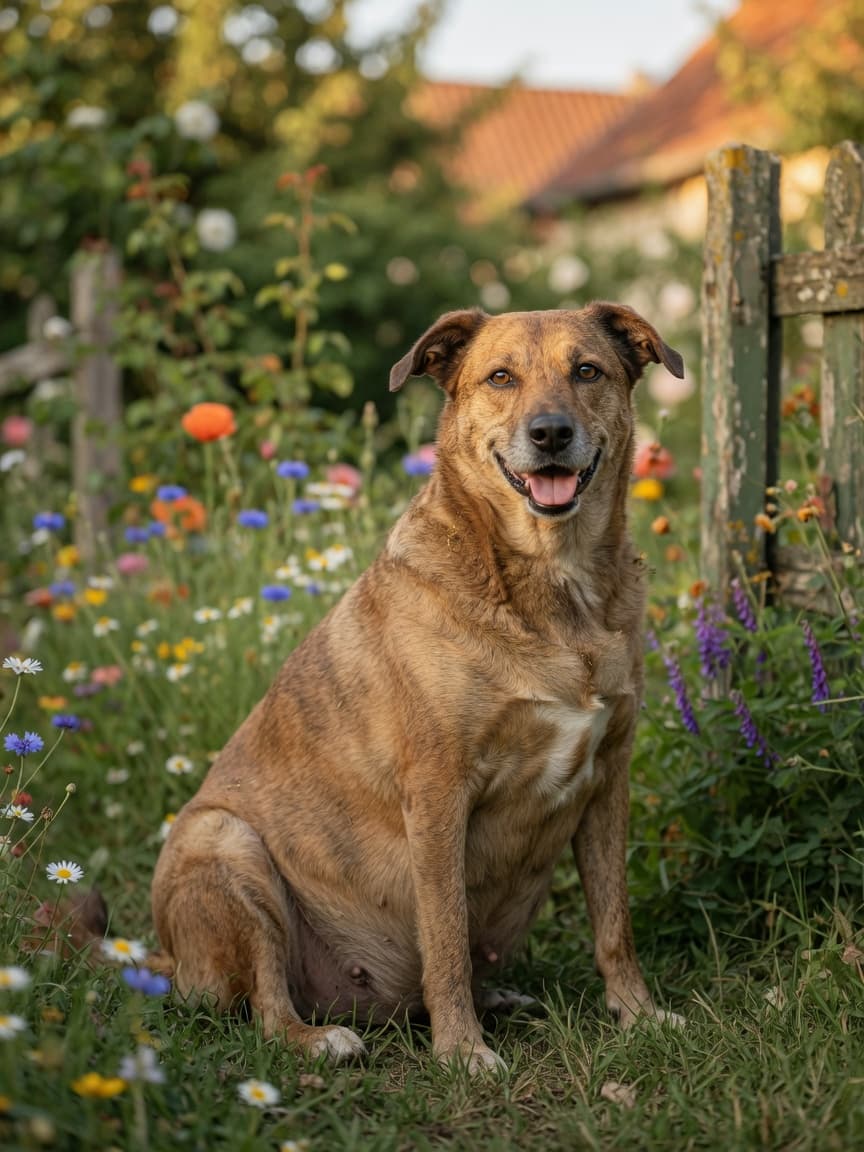
Dog Pregnancy: What Every European Owner Should Know
Whether your dog's pregnancy was planned as part of a responsible breeding programme or came as a surprise, the weeks ahead require careful monitoring, thoughtful nutrition, and good preparation. A dog's gestation period is short compared to that of humans, but the changes are rapid and the stakes are high. This guide covers everything from the earliest signs of pregnancy through to whelping, alongside the regulatory requirements for breeders operating within the European Union.
How Long Is a Dog Pregnant?
The average canine gestation period is 63 days from the date of ovulation, though births between day 58 and day 68 are considered normal. Because the date of ovulation is not always known with certainty — particularly when mating occurs across multiple days — your vet may use progesterone testing or ultrasound to give a more accurate estimated due date.
A pregnancy that extends significantly beyond 68 days, or where the dog shows signs of distress without progressing into labour, requires immediate veterinary attention.
Early Signs of Pregnancy in Dogs
The earliest signs of pregnancy are often subtle and can be easy to miss, particularly in the first three weeks. Common early indicators include:
- Slight increase in appetite or, conversely, mild nausea and reduced interest in food during the first two to three weeks
- Nipple enlargement and a pinkish colouration of the nipple area, often visible from around three weeks
- Increased tiredness and a preference for rest
- A small amount of clear vaginal discharge around three to four weeks after mating
- Behavioural changes including increased affection or, in some dogs, a desire for more privacy
From around day 25 to 28, a vet can often confirm pregnancy by palpating the abdomen. Ultrasound can detect foetal heartbeats from around day 25, while X-rays can confirm litter size from around day 45, once the puppies' skeletons have mineralised enough to be visible.
Stages of Canine Pregnancy
Weeks One to Three: Fertilisation and Early Development
During this period, fertilised eggs travel to the uterus and begin to implant. Outwardly, your dog may appear entirely normal. There is no need to increase food during this stage. Avoid unnecessary medications, vaccinations, or chemical flea treatments unless approved by your vet for use in pregnancy.
Weeks Four to Six: Rapid Foetal Growth
This is when the pregnancy becomes more visible. The foetuses develop rapidly, and your dog's abdomen will begin to expand noticeably. Appetite typically increases, and you should begin gradually transitioning to a high-quality puppy or growth formula food, which provides the additional calories, protein, and calcium needed to support developing foetuses.
Weeks Seven to Nine: Preparation for Whelping
In the final weeks, the puppies grow significantly and your dog may become visibly uncomfortable. She may begin nesting — scratching at bedding, seeking out quiet corners, or becoming restless. Her body temperature will drop below 37.5°C (99.5°F) approximately 12 to 24 hours before labour begins, which is a reliable sign that whelping is imminent.
Nutrition During Pregnancy
Nutritional needs change significantly across the three trimesters of a dog's pregnancy. During the first four weeks, maintain your dog's normal adult diet. From week four onwards, begin gradually increasing her food intake, ideally by switching to a puppy or all-life-stages formulation that is higher in protein, fat, and calcium.
By the final weeks of pregnancy, your dog may need up to 50% more calories than her baseline intake. Feed smaller, more frequent meals to accommodate the pressure on her stomach from the growing litter. Always ensure she has continuous access to fresh water.
Avoid supplementing with calcium during pregnancy unless directed by your vet. Excessive calcium supplementation during gestation can impair the body's natural calcium regulation mechanisms and increase the risk of eclampsia (milk fever) after whelping.
EU Regulations for Dog Breeders
Breeding dogs within the European Union carries legal and administrative responsibilities. While regulations vary by country, several requirements are consistent across most member states.
All puppies sold within the EU must be microchipped before sale, and in many countries this must be done before they leave the litter. EU Pet Travel Regulation (EU) 576/2013 governs the movement of dogs across borders and requires a valid microchip, EU pet passport, and appropriate vaccination records for any dog moving between member states.
Many EU countries require litter registration with a national kennel club or breed registry. In France, Germany, and the Netherlands, for example, breeders who produce more than a certain number of litters per year may be classified as commercial breeders and subject to additional licensing, facility inspections, and welfare standards.
Breeders in the UK, following Brexit, operate under national legislation including the Animal Welfare (Licensing of Activities Involving Animals) Regulations 2018, which requires a licence for breeding three or more litters per year.
Preparing for Whelping
In the final week of pregnancy, set up a whelping box in a quiet, warm, and draught-free location. The box should be large enough for your dog to move around comfortably but have low sides that she can step over whilst keeping the puppies contained. Line it with washable bedding or vetbed.
Keep the whelping area at around 29 to 32°C (85–90°F) for newborn puppies, who cannot regulate their own body temperature. A heat lamp or heated pad positioned so that puppies can move away from the warmth if needed is ideal.
Have the following on hand before labour begins:
- Clean towels for drying puppies
- Sterilised scissors and dental floss in case you need to assist with cutting umbilical cords
- A puppy scale to weigh each puppy at birth and monitor growth
- Your vet's emergency out-of-hours number
- A notebook for recording the birth time and weight of each puppy
When to Call the Vet During Whelping
Most dogs whelp without significant complications, but some situations require prompt veterinary assistance. Contact your vet immediately if:
- More than two hours pass between the delivery of puppies when you know more are present
- Your dog has been in active, straining labour for more than 30 to 60 minutes without producing a puppy
- A puppy appears stuck in the birth canal
- Your dog appears extremely distressed, collapsed, or unresponsive
- There is heavy, bright red, or foul-smelling vaginal discharge
Dystocia (difficult birth) is a veterinary emergency. Do not delay seeking help if you are concerned — it can be life-threatening for both the mother and her puppies.
Post-Whelping Care
After all puppies have been delivered, your dog will begin nursing. Ensure all puppies latch on within the first few hours to receive colostrum, the antibody-rich first milk that provides essential immune protection. Monitor your dog's food intake closely — nursing mothers require significantly increased calories, sometimes double or triple their normal intake depending on litter size.
A post-whelping check with your vet within 24 hours of delivery is strongly recommended to confirm no retained placentas and that your dog is recovering well.