
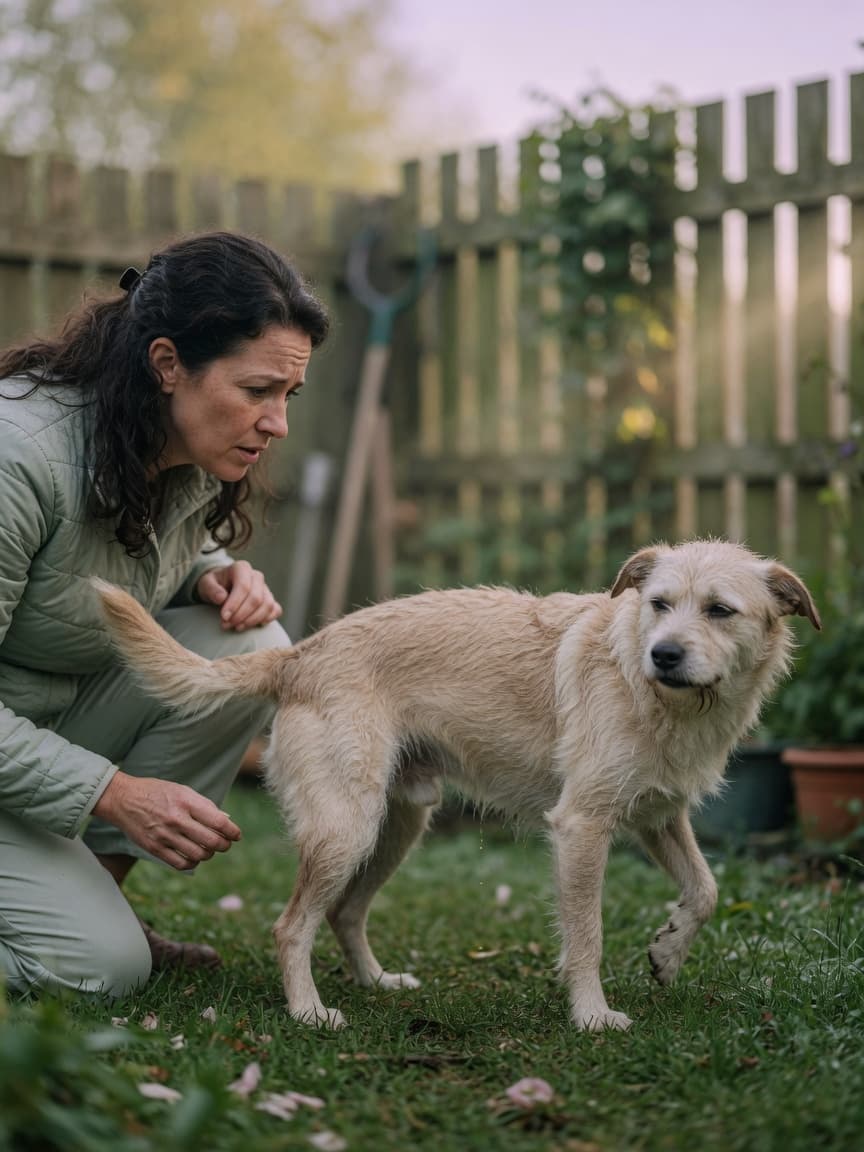
Bladder stones, medically known as uroliths, are a common yet often misunderstood condition affecting many dogs across Europe. These mineral deposits form in your dog's bladder and can cause significant discomfort, painful urination, and potentially serious urinary tract infections if left untreated. Understanding the causes, signs, and treatment options empowers you to protect your beloved companion's health and catch problems early.
What Are Bladder Stones?
Bladder stones are hard mineral deposits that accumulate inside your dog's bladder. They form when minerals in the urine crystallise and clump together, creating stone-like structures that can range from tiny sand-like particles to golf ball-sized stones. The most common types include struvite stones and calcium oxalate stones, each with different causes and treatment approaches.
Identifying Risk Factors and Causes
Several factors increase your dog's risk of developing bladder stones:
- Concentrated urine: Inadequate water intake or infrequent urination increases mineral concentration
- Urinary tract infections: Bacterial infections can trigger stone formation, particularly struvite stones
- Diet: Certain foods high in specific minerals may promote crystallisation
- Breed predisposition: Certain breeds like Schnauzers, Dalmatians, and Bulldogs are more susceptible
- Age and sex: Older dogs and neutered females are at higher risk
- Genetic factors: Some dogs inherit a predisposition to stone formation
- Underlying health conditions: Cushing's disease and other endocrine disorders contribute to stone development
Recognising the Symptoms
Be alert to these warning signs that your dog may have bladder stones:
- Difficulty or painful urination (straining)
- Frequent need to urinate but producing only small amounts
- Blood in the urine (visible or detected during vet examinations)
- Urinary incontinence or inappropriate indoor elimination
- Lethargy or loss of appetite
- Licking the urinary area excessively
- Complete inability to urinate (a medical emergency)
If your dog shows any of these signs, contact your veterinarian promptly. Complete urinary obstruction is life-threatening and requires immediate emergency treatment.
Diagnosis and Treatment Options

Your vet will typically use a combination of diagnostic tools including urinalysis, urine culture, imaging (radiographs or ultrasound), and bloodwork to confirm bladder stones and identify their composition. Treatment depends on several factors including stone type, size, location, and your dog's overall health.
Dissolving stones: Some struvite stones can be managed through prescription diets and medications without surgery, though this process takes several weeks to months.
Surgical removal: Larger stones, calcium oxalate stones, or those causing obstruction typically require surgical removal. Your vet will discuss this option if it's the best course of action for your dog.
Management after treatment: Following treatment, prevention becomes crucial through increased water intake, regular bathroom breaks, controlled diet, and periodic monitoring.
Prevention and Long-term Management
Preventing recurrence is essential since many dogs experience repeat stone formation. Encourage frequent urination by providing constant access to fresh water and multiple daily toilet breaks. Consider adding water to dry food or switching to tinned food to increase moisture intake. Feed a balanced diet appropriate for your dog's age, health status, and any predisposing factors your vet has identified.
Schedule regular veterinary check-ups and discuss preventative measures specific to your dog. Some dogs benefit from regular urinalysis to catch early crystallisation before stones form.
Key Takeaways
Bladder stones are treatable, but early detection and prevention are paramount. Ensure your dog drinks plenty of water, has regular toilet breaks, and receives appropriate nutrition. Watch for signs of urinary difficulty and seek veterinary advice promptly if symptoms appear. With proper management and your vet's guidance, most dogs recover well and can live comfortably whilst preventing future stone formation.