
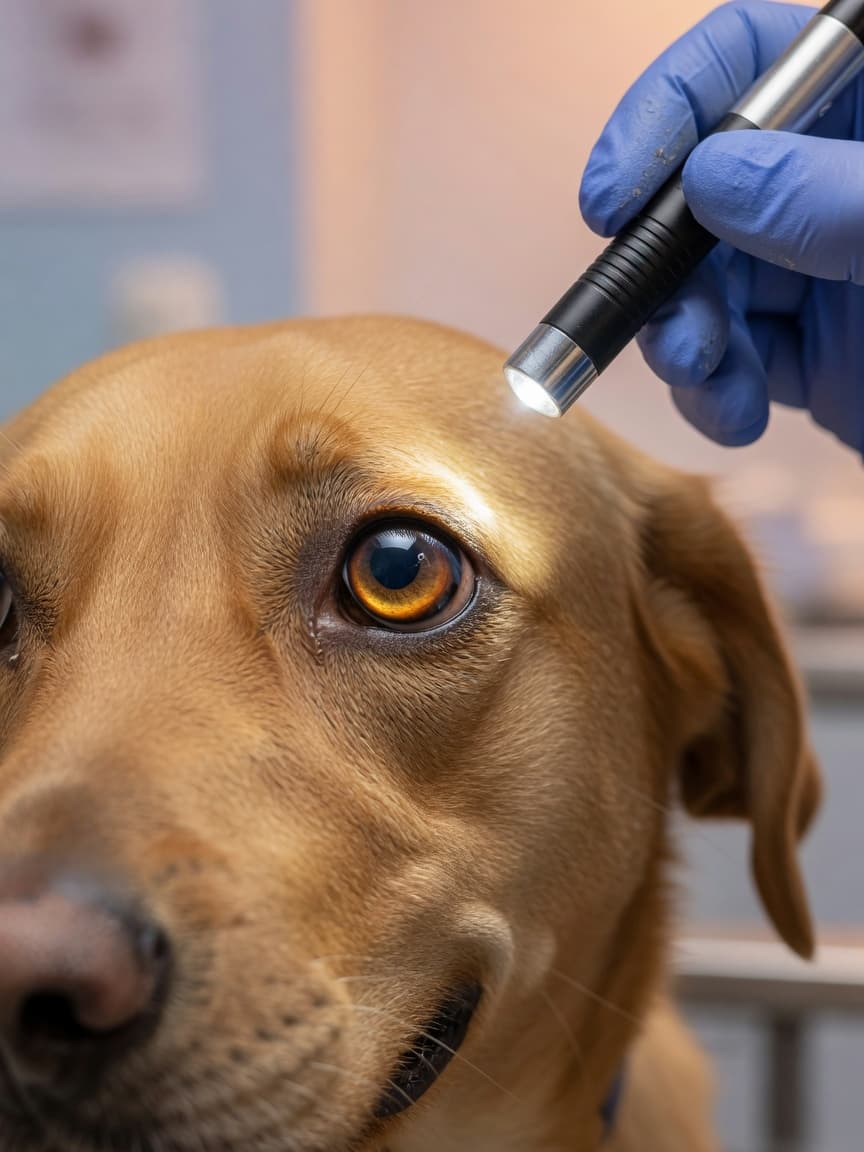
Understanding Your Dog's Eyes
Your dog's eyes are remarkably complex organs, and like any complex system, they're vulnerable to a range of conditions that can affect comfort, vision, and quality of life. As someone who has spent over a decade working alongside veterinarians, I can tell you that eye problems are among the most common reasons owners bring their dogs in for urgent appointments — and for good reason. Left untreated, many eye conditions deteriorate quickly.
This guide walks through the most common dog eye conditions, what to watch for, and how to decide when it's time to call the vet rather than wait and see.
How a Dog's Eye Works
Before diving into problems, a quick bit of anatomy helps. Dogs have three eyelids — upper, lower, and a third eyelid (the nictitating membrane) tucked in the inner corner of the eye. This third eyelid plays an important role in protecting the eye and producing a significant portion of tear film. Dogs also have a tapetum lucidum, a reflective layer behind the retina that improves low-light vision — which is why their eyes glow in photos.
The tear film is critical. It keeps the cornea moist, delivers oxygen and nutrients, and flushes debris. When anything disrupts the tear film or the structures supporting it, problems follow quickly.
Common Eye Conditions in Dogs
Conjunctivitis
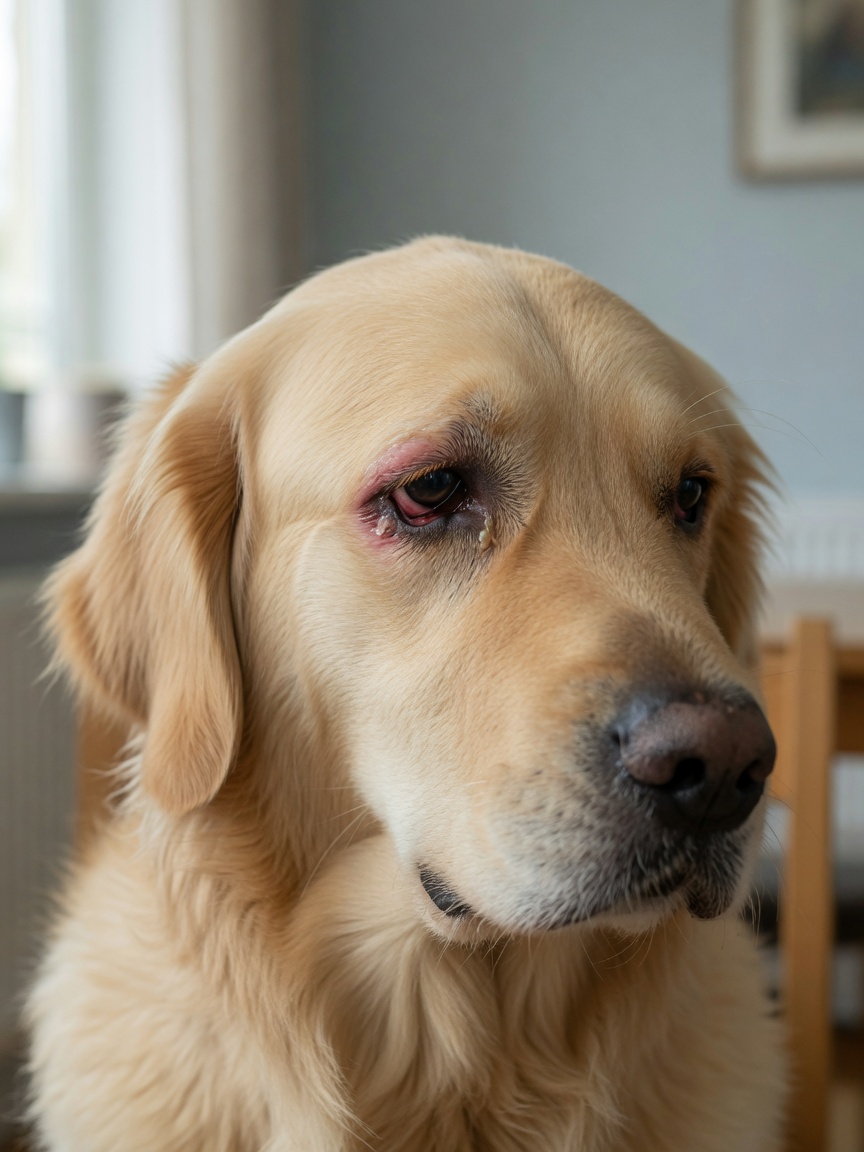
Conjunctivitis — inflammation of the conjunctiva, the pink tissue lining the eyelids — is one of the most frequently diagnosed eye problems in dogs. It presents as redness, swelling, and discharge, which may be clear, yellow, or green depending on the cause. Triggers include bacterial or viral infections, allergies, foreign bodies, and irritants like dust or smoke.
Allergic conjunctivitis tends to produce watery discharge and is often seasonal. Bacterial conjunctivitis typically produces thicker, coloured discharge and may affect one or both eyes. Treatment depends on the underlying cause but often involves topical eye drops or ointment prescribed by a vet.
Dry Eye (Keratoconjunctivitis Sicca)
Dry eye, or KCS, occurs when the tear glands produce insufficient tears. Without adequate lubrication, the cornea becomes irritated, ulcerated, and at risk of scarring. Symptoms include thick, mucous-like discharge, squinting, dull-looking eyes, and visible discomfort. Cavalier King Charles Spaniels, Bulldogs, and Shih Tzus are among the breeds most commonly affected.
KCS is a lifelong condition managed rather than cured. Cyclosporine or tacrolimus eye drops stimulate tear production in many dogs, and artificial tear supplements provide additional relief.
Corneal Ulcers
A corneal ulcer is a break in the surface of the cornea. It can result from trauma, dry eye, infections, or abnormal eyelash growth. Dogs with corneal ulcers often squint intensely, paw at the eye, and show sensitivity to light. The eye may look cloudy or hazy.
Corneal ulcers range from superficial to deep, and deep ulcers carry a risk of corneal perforation — a genuine emergency. Any dog showing signs of a corneal ulcer should be seen by a vet promptly. Treatment typically involves antibiotic eye drops, pain relief, and an Elizabethan collar to prevent self-trauma.
Entropion and Ectropion
Entropion is an inward rolling of the eyelid, causing eyelashes to rub against the cornea. It is painful and leads to corneal ulceration if left uncorrected. Shar Peis, Chow Chows, and Golden Retrievers are commonly affected breeds. Ectropion, the opposite condition, involves the eyelid rolling outward, exposing the conjunctiva and making the eye prone to irritation and infection. Basset Hounds, Bloodhounds, and Cocker Spaniels are predisposed. Both conditions generally require surgical correction.
Cataracts
A cataract is an opacity in the lens of the eye, ranging from a small cloudy spot to complete opacity. As cataracts progress, they reduce vision and can lead to blindness. Diabetic dogs are at particularly high risk of developing cataracts rapidly. Hereditary cataracts occur in breeds including Labrador Retrievers, Golden Retrievers, and Boston Terriers.
Surgical removal and replacement of the affected lens is the only effective treatment. Dogs tolerate cataract surgery well, and the results are generally excellent when performed before secondary complications like glaucoma develop.
Uveitis
Uveitis is inflammation of the uvea — the pigmented middle layer of the eye. It is painful and can result from trauma, infections (including tick-borne diseases), immune-mediated conditions, or cancer. Signs include a red, painful eye, cloudiness, and a small or misshapen pupil. Uveitis requires prompt veterinary attention because chronic inflammation damages internal eye structures and can lead to blindness.
Signs That Require Immediate Veterinary Attention
- Sudden cloudiness or change in eye colour
- Visible injury to the eye or eyelid
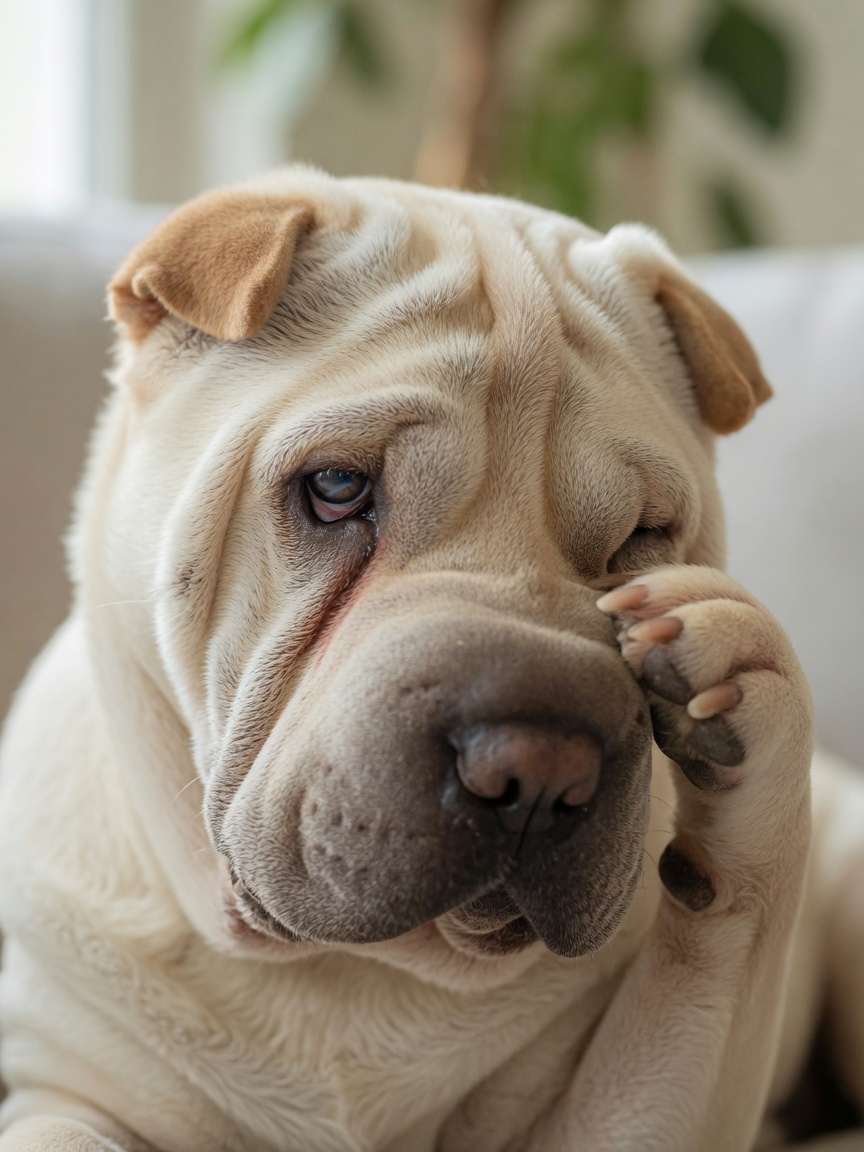
- Intense squinting or keeping the eye shut
- Sudden behavioural changes suggesting vision loss
- Eye appearing enlarged or bulging
- Yellow or green discharge combined with obvious pain
- A visible prolapsed third eyelid (cherry eye)
When in doubt, err on the side of caution. Eye conditions can deteriorate within hours, and waiting a day or two to see if things improve is rarely worth the risk.
Preventive Eye Care for Dogs
Routine care goes a long way. Keep the fur around your dog's eyes trimmed to prevent irritation. Wipe away any discharge with a damp cotton pad using gentle, outward strokes. Never use the same pad on both eyes if there is any sign of infection. Use dog-safe eyewash if debris is present, and avoid letting your dog hang its head out of car windows — this is a common cause of corneal injury and eye dryness.
During routine vet check-ups, ask for a basic eye examination. Catching early changes in lens clarity, tear production, or eyelid conformation gives you and your vet the best opportunity to intervene before serious damage occurs.
Most eye conditions are very manageable when caught early. Knowing what normal looks like for your dog makes it far easier to spot when something is off — and that awareness is often the difference between a straightforward treatment and a complicated one.