
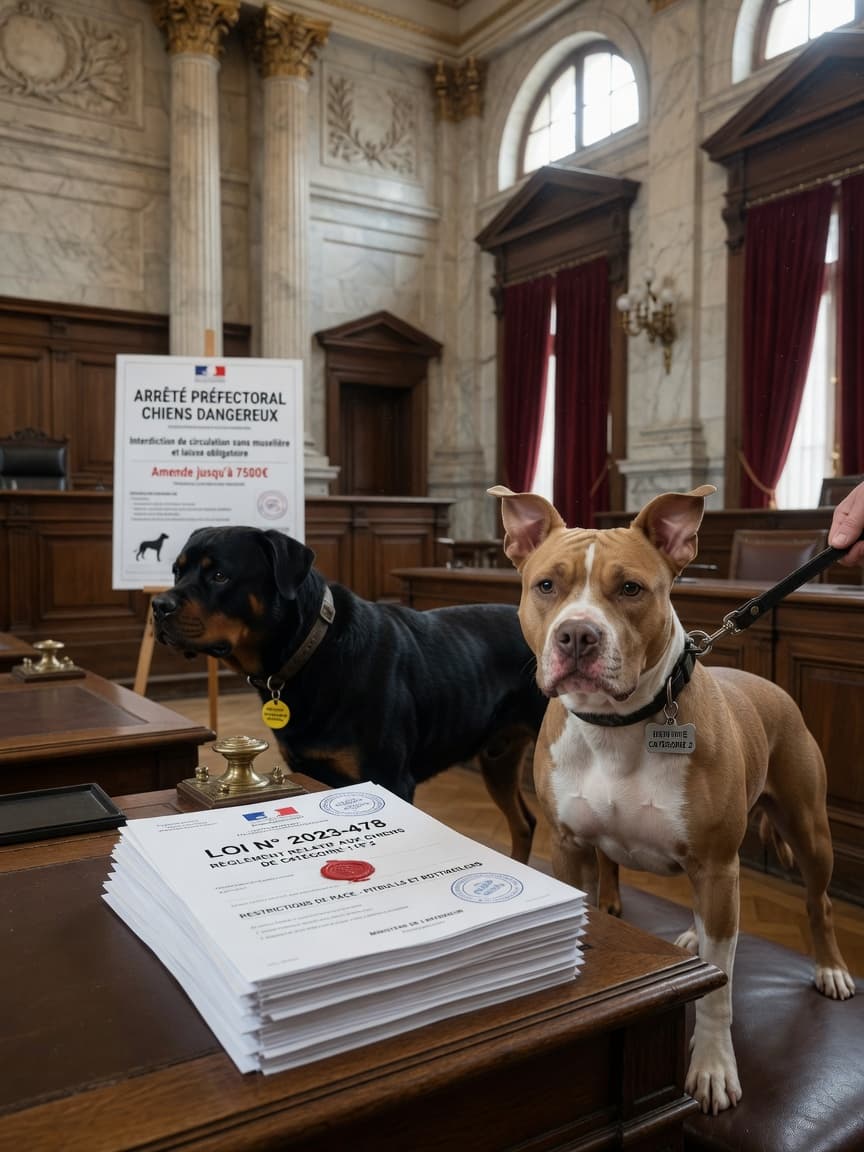
What Is Breed-Specific Legislation?
Breed-specific legislation — commonly abbreviated to BSL — refers to laws and regulations that restrict or prohibit the ownership of certain dog breeds based on their physical characteristics or perceived risk to public safety. BSL varies enormously across Europe. There is no EU-wide harmonised approach: some member states have national laws, others leave the matter to regional governments, and a handful have no BSL at all. For owners of dogs that fall into commonly restricted categories, understanding the rules wherever you live — and wherever you plan to travel — is essential.
The Absence of EU Harmonisation
The European Union has not adopted a directive or regulation specifically governing breed-specific restrictions. Regulation (EU) No 576/2013, which governs the non-commercial movement of pet animals between member states, addresses documentation, microchipping and vaccination requirements, but does not override national laws on which breeds may be kept or imported. This means an owner travelling across the EU with a restricted breed must research each country's national and regional laws independently — there is no single EU-wide clearance.
Commonly Restricted Breeds Across Europe
While the specific list varies by country, the following breeds appear most frequently in European BSL frameworks:
- Pit Bull Terrier (or dogs deemed to resemble one)
- American Staffordshire Terrier
- Staffordshire Bull Terrier (restricted in some but not all countries)
- Rottweiler
- Dogo Argentino
- Fila Brasileiro
- Tosa Inu
- American Bulldog (in some jurisdictions)
- Mastiffs of certain types
Dogs that are mixed breeds but display physical characteristics associated with restricted breeds may also fall under legislation depending on how the law is worded — this is one of the most widely criticised aspects of BSL.
Germany: Bundesland-by-Bundesland Rules
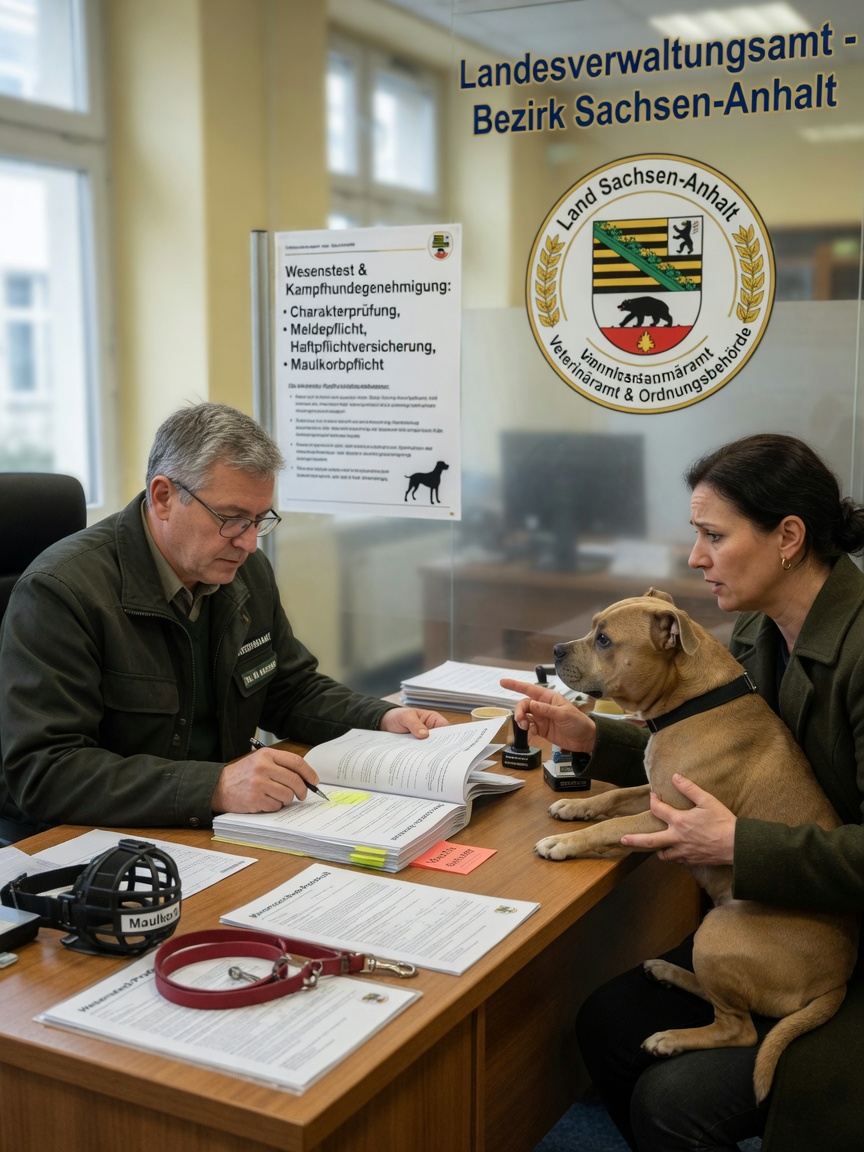
Germany has no single national breed ban. Instead, each of the 16 Bundesländer (federal states) sets its own rules, leading to significant variation. States such as Bavaria, Baden-Württemberg and Hesse maintain lists of Kampfhunde (fighting dogs) that are subject to restrictions ranging from mandatory muzzling and lead requirements to outright import and ownership bans. In some Bundesländer, owners of listed breeds must obtain a special permit, demonstrate reliable ownership, carry liability insurance and pass a character assessment for the dog. Breeds commonly appearing on these lists include the Pit Bull Terrier, Staffordshire Bull Terrier, American Staffordshire Terrier, Bullterrier and Tosa Inu. Owners moving within Germany must check the rules of their destination Bundesland carefully.
France: Category 1 and Category 2 Dogs
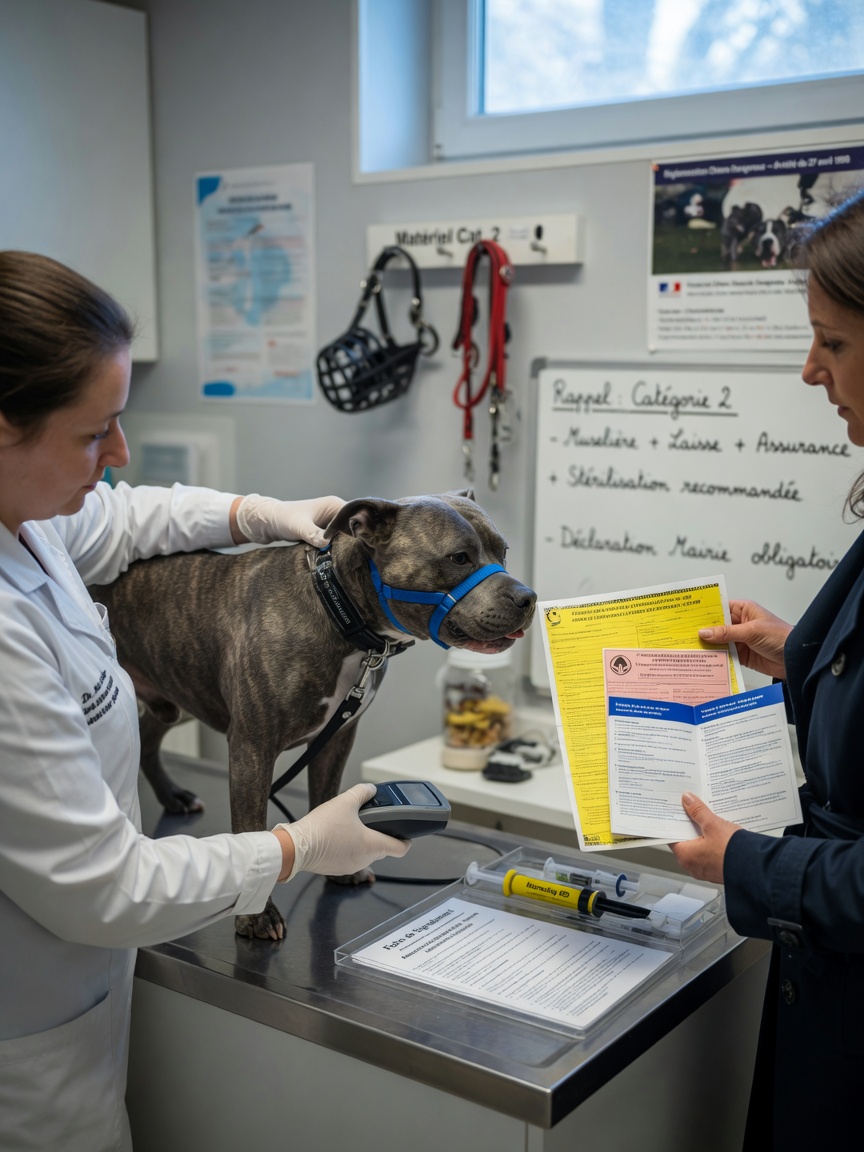
France operates a two-tier classification system under national law. Category 1 dogs — sometimes called "attack dogs" — are effectively banned from being kept, sold or imported. This category includes dogs that resemble Pit Bull Terriers, Mastiff types and the Tosa Inu. Existing Category 1 dogs must be neutered and are subject to strict conditions. Category 2 dogs — considered "guard and defence dogs" — may be kept but are subject to conditions including mandatory microchipping, registration, third-party liability insurance, a lead and muzzle requirement in public, and the owner must be an adult with no criminal conviction. Breeds in Category 2 include the American Staffordshire Terrier, Rottweiler and Tosa Inu (with pedigree papers). Travelling to France with a dog that resembles a Category 1 breed, even as a tourist, carries legal risk.
Belgium
Belgium banned the Pit Bull Terrier at the federal level, with existing dogs at the time of the ban permitted to live out their lives under strict conditions. Some regional rules add further restrictions. Belgium is broadly considered to have one of the stricter BSL frameworks in Western Europe.
The Netherlands: A Country That Reversed Its BSL
The Netherlands is notable for having introduced a national Pit Bull ban in 1993 and then repealing it in 2009, following evidence that it had not reduced dog bite incidents. The Dutch approach now focuses on individual dog behaviour rather than breed. This is frequently cited in academic and policy discussions as evidence that BSL may be ineffective at reducing bites.
Spain: Regional Variation
Spain has national legislation listing "potentially dangerous dogs" (perros potencialmente peligrosos), which includes Pit Bull Terriers, Rottweilers, Argentine Dogos, Fila Brasileiros, Tosa Inus, Akitas and other large, powerful breeds. Owners must hold a special licence, carry insurance, use a muzzle and lead in public, and keep their dog securely confined. The national framework sets the floor, but some autonomous communities apply additional regional rules. Always check both national and regional requirements.
The United Kingdom: Post-Brexit Position
The UK's Dangerous Dogs Act 1991 bans four types of dog: the Pit Bull Terrier, Japanese Tosa, Dogo Argentino and Fila Brasileiro. The law is based on type — physical appearance — rather than registered breed, which has led to many cases involving dogs that are not purebred. In 2023, the XL Bully was added to the banned list in England and Wales, with similar rules subsequently introduced in Scotland and Northern Ireland. Since Brexit, UK rules no longer align with EU pet travel regulations. UK owners travelling to the EU must follow EU member state laws independently.
Practical Advice for Owners of Affected Breeds
Before Travelling
- Research the national and regional laws of every country you plan to pass through or visit — not just your destination.
- Contact the embassy or consulate of each destination country to confirm current rules, as legislation changes.
- Carry full documentation: EU pet passport (or GB Animal Health Certificate for UK owners), breed certificates if applicable, and evidence of neutering if required.
- Ensure your dog has the mandatory microchip as required under Regulation (EU) No 576/2013 for EU travel.
Insurance and Liability
Several European countries require owners of restricted breeds to hold third-party liability insurance. Even where it is not legally mandatory, it is strongly advisable. Specialist pet insurers offer policies covering dogs in restricted breed categories.
Muzzle and Lead Requirements
In many countries, restricted breeds must wear a muzzle and be kept on a lead in all public spaces. Carry a well-fitted, appropriately sized muzzle whenever you travel, and ensure your dog is comfortable wearing it before you need to use it in a stressful travel situation.
The Case Against BSL
Veterinary and animal behaviour organisations across Europe, including the British Veterinary Association and the Federation of Veterinarians of Europe, have consistently opposed BSL. Research indicates that dog bite incidents are related to individual dog behaviour, owner responsibility and socialisation rather than breed alone. Many experts advocate for breed-neutral legislation focused on responsible ownership. Until laws change, however, owners of affected breeds must comply fully with all applicable rules.